
Construction Project Management (CPM) is a systematic approach to planning, coordinating, and controlling construction projects from start to finish. It plays a vital role in ensuring that construction projects are completed on time, within budget, and according to required quality and safety standards. Whether the project is a small residential building or a large infrastructure development, effective project management is essential for success.

The construction project management process begins with project planning. During this stage, project managers define the project scope, objectives, timeline, and budget. Detailed plans are prepared, including work schedules, resource allocation, and risk assessments. Proper planning helps in identifying potential challenges early and developing strategies to address them before they become serious problems.
Another key element of construction project management is cost management. Construction projects involve significant financial investment, making cost control extremely important. Project managers prepare cost estimates, monitor expenses, and manage cash flow throughout the project lifecycle. Effective cost management helps prevent budget overruns and ensures that funds are used efficiently without compromising quality.
Time management is equally critical in construction projects. Delays can lead to increased costs, legal disputes, and loss of client trust. Project managers create detailed schedules using tools such as Gantt charts and Critical Path Method (CPM) techniques. Regular progress monitoring ensures that tasks are completed on time and corrective actions are taken when delays occur.
Quality management ensures that construction work meets design specifications, building codes, and client expectations. Project managers implement quality control procedures, conduct inspections, and coordinate with architects and engineers to maintain high standards. Delivering quality work not only enhances safety but also increases the durability and value of the structure.
Risk management is another important aspect of construction project management. Construction sites are exposed to various risks, including safety hazards, weather conditions, material shortages, and design changes. Project managers identify potential risks, analyze their impact, and develop mitigation plans. Effective risk management reduces uncertainties and protects both workers and project investments.

Communication and coordination are central to successful construction project management. Construction projects involve multiple stakeholders such as clients, contractors, subcontractors, suppliers, and government authorities. Clear communication ensures that everyone understands their roles and responsibilities. Regular meetings, progress reports, and documentation help maintain transparency and collaboration among all parties.
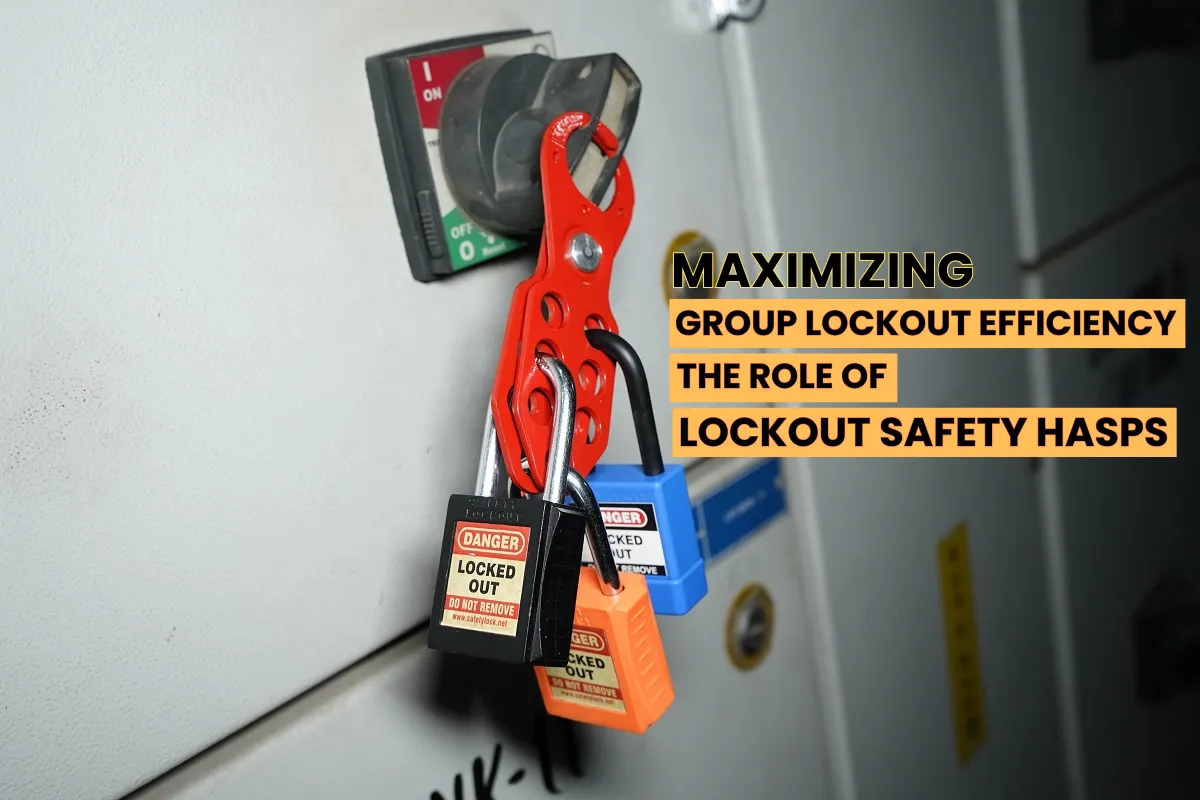
Safety management is a top priority in construction projects. Project managers ensure compliance with safety regulations, provide training to workers, and enforce safety protocols on-site. A strong safety culture reduces accidents, protects workers’ lives, and prevents project delays caused by injuries or legal issues.

In recent years, technology has significantly improved construction project management. Digital tools such as Building Information Modeling (BIM), project management software, and drones help in planning, monitoring, and decision-making. These technologies enhance accuracy, efficiency, and overall project performance.
visit know for about us :- interior design quotation format
In conclusion, construction project management is the backbone of successful construction projects. By effectively managing time, cost, quality, risk, and communication, project managers ensure smooth project execution. As construction projects become more complex, the role of skilled project managers and modern management techniques will continue to grow in importance.





















Sign in to leave a comment.