

Large construction sites do not stay static. Access routes move, machinery is relocated, materials shift between storage areas and temporary work zones appear as the project progresses. On a large site, that can change what needs to be watched from one stage to the next.
That is why construction site security systems should be planned around changing work zones, not simply around a fixed camera map. The aim is to maintain useful visibility as the site develops, while matching the security approach to the project's current conditions.
Why do changing work zones affect site security?
A camera that covers a gate or storage area during excavation may no longer cover the most relevant area once structural work begins. Temporary compounds can move. Delivery routes can change. Equipment may be relocated. New sections of the site can become active while earlier areas become enclosed or inaccessible.
If camera positions remain unchanged, coverage can become less useful. Review security planning alongside changes to access, storage, machinery movement and work areas.
Where should on site security cameras be positioned?
On site security cameras should be positioned around areas that matter at the project stage. This may include entrances, temporary access points, material storage, machinery areas, site offices, compounds and exposed work zones.
The objective is not to place cameras everywhere. It is to identify where visibility provides value, then review those positions as work progresses.
Remote viewing can also help authorised builders, site managers and project teams check activity without being physically present, particularly when one team oversees multiple sites.
How should security change through the project?
Different construction stages create different security considerations. During site preparation and excavation, boundaries, access routes, plant and temporary storage may be the main focus. Structural work can change the building footprint and create new access points. Later stages may shift attention towards tools, materials, restricted areas and partially completed sections.
A flexible approach does not require replacing the system. Suitable equipment can be repositioned or coverage adjusted as site conditions change.
What should construction site security systems include?
Start with the site requirements rather than the camera specification. Consider the size of the area, current and future access points, equipment and material locations, available infrastructure and whether camera positions may need to change.
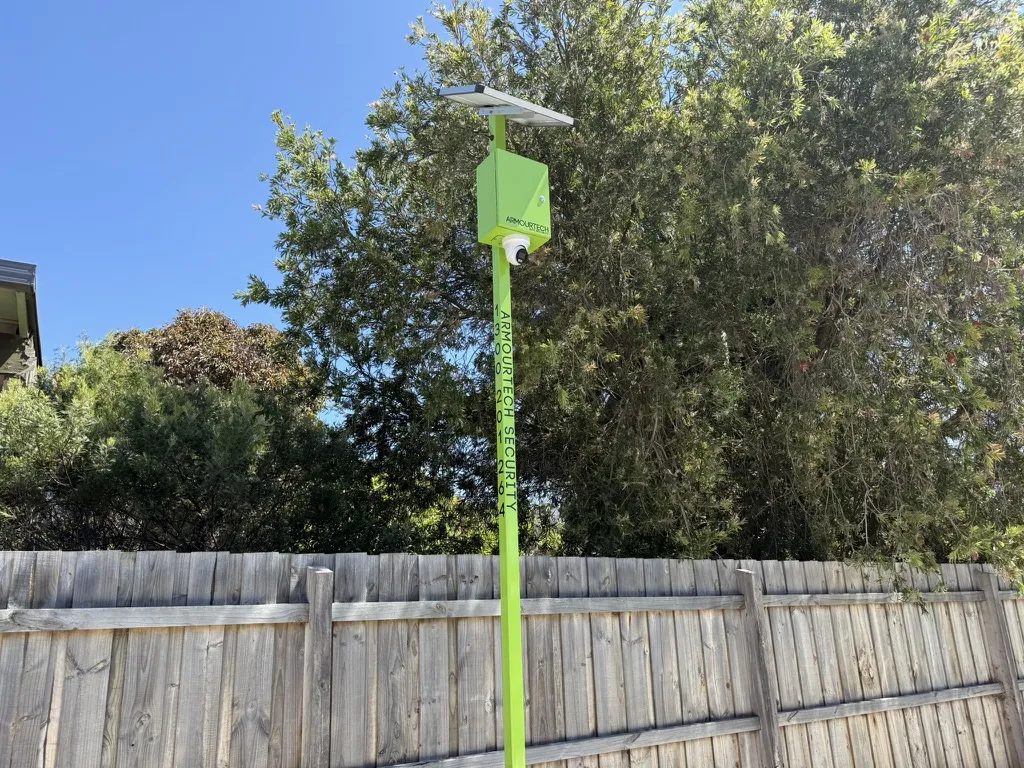
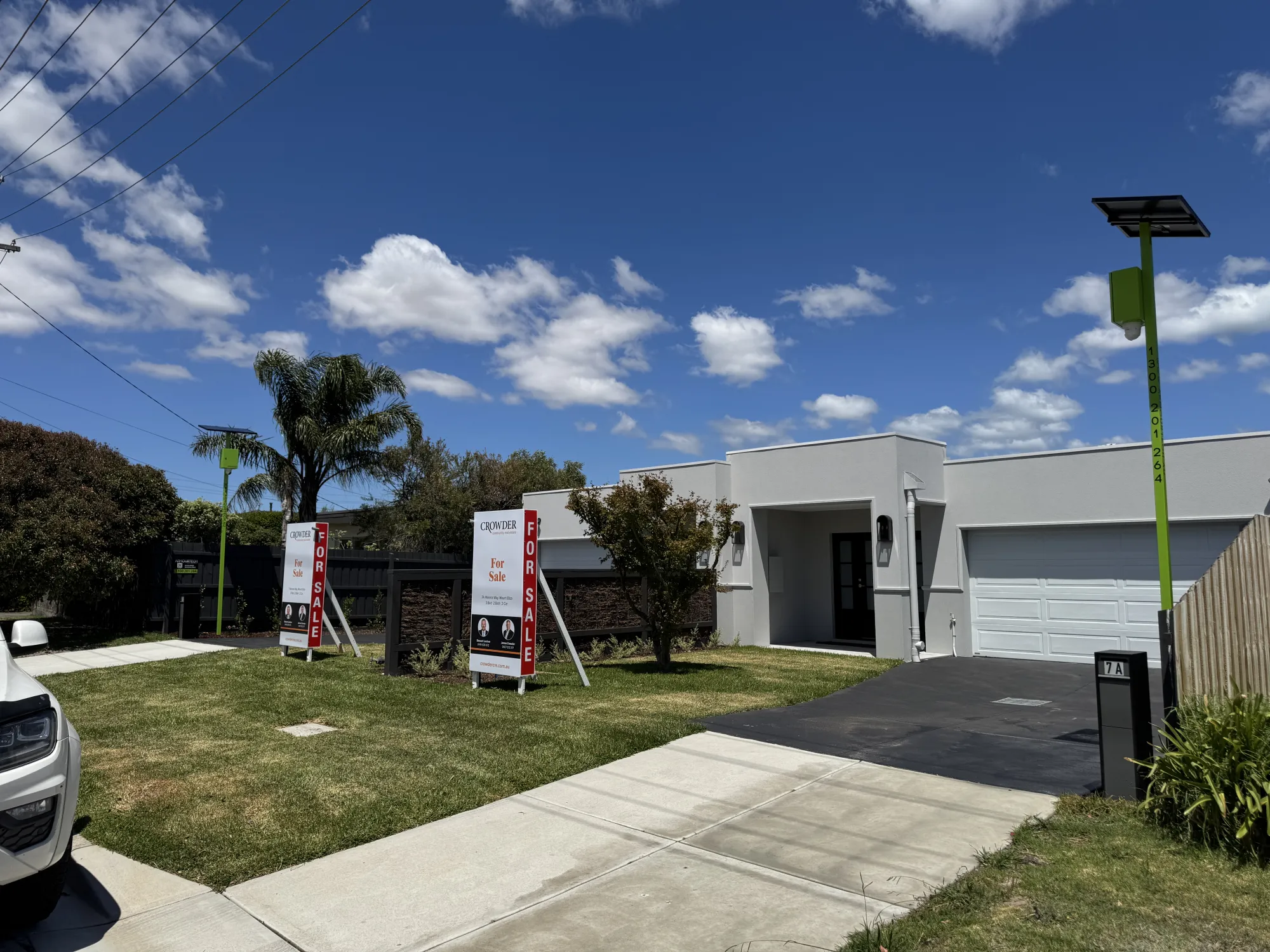
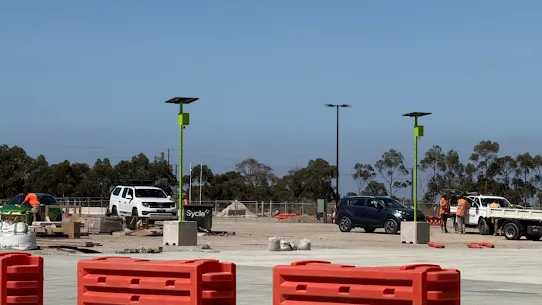
For temporary construction environments, wireless deployment can reduce reliance on fixed cabling. Portable cameras can support relocation when work zones move. Solar power and battery backup can provide options where permanent mains power is not yet available. Mobile connectivity can support remote access where fixed internet has not been established.
Detection and monitoring can add another layer where required. AI-based people or vehicle detection can help make alerts more relevant by identifying activity that matches defined detection criteria. Professional monitoring can add human oversight for sites where the customer does not want to rely solely on self-monitoring.
Technology should support the site plan rather than dictate it. Fencing, gates, lighting, secure storage, access control and site management can remain important parts of layered security.
What should Melbourne projects consider?
Melbourne construction projects can involve residential developments, commercial construction, urban redevelopment and infrastructure work, with access arrangements, compounds and work zones changing as work progresses.
Searches for construction site security Melbourne often reflect a practical need for coverage that can work around those changing conditions. The approach depends on the site's layout, stage, infrastructure and areas requiring visibility.
How can ArmourTech support changing work zones?
ArmourTech provides temporary site-security systems designed around changing construction environments. Depending on the project, systems can incorporate portable cameras, wireless deployment, solar power, battery backup, mobile connectivity, remote viewing, detection and professional monitoring.
The value is not simply having cameras on a large site. It is having an approach that can adapt when access points, storage areas, machinery locations or work zones change.
What questions do builders ask?
Can construction cameras be moved when work zones change?
Suitable portable systems can be repositioned as site conditions develop. Camera placement should be reviewed when access routes, storage areas or active work zones change.
How can a large construction site be monitored remotely?
Remote viewing can allow authorised users to check cameras and review site activity without being physically present. Professional monitoring can provide an additional layer of oversight where required.
Does every area of a large site need a camera?
Not necessarily. Coverage should be based on access points, site activity, valuable equipment and materials, changing work zones and other areas where visibility is useful. The plan can then be reviewed as the project progresses.
Need security that can move with the project?
If your site layout is changing as construction progresses, ArmourTech can assess the current conditions and coverage requirements and recommend a suitable temporary security approach.
Explore ArmourTech's site security solutions for a system designed around your project.






















Sign in to leave a comment.