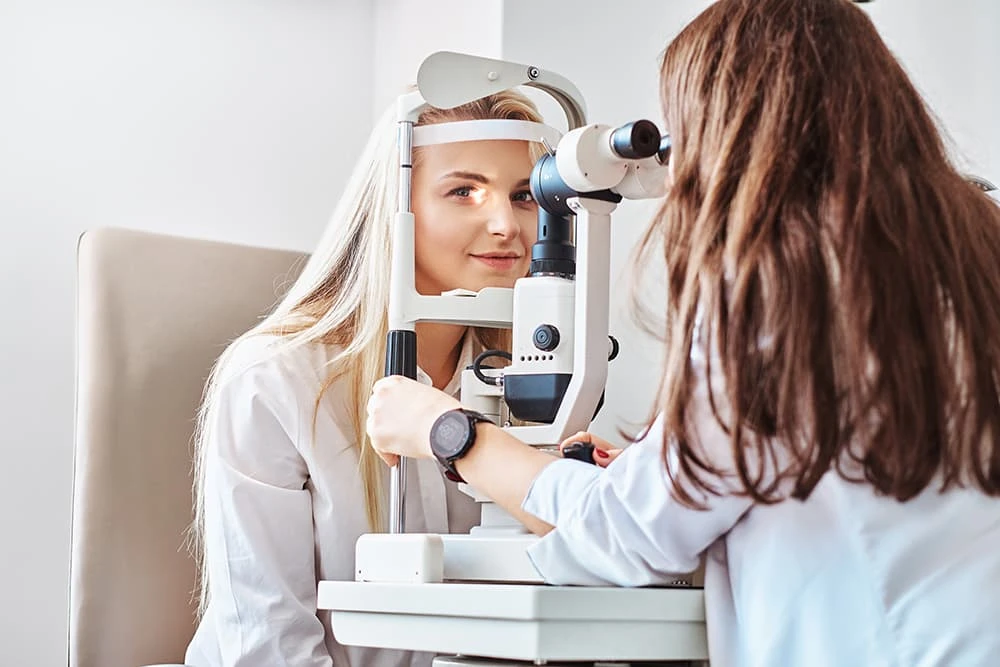

Cataracts are a common eye condition that gradually clouds the natural lens of the eye, affecting vision and everyday life. Many people in London experience changes in sight as they age, making cataract surgery in London a crucial step in restoring clarity. Untreated cataracts can make daily tasks such as reading, driving, or recognising faces increasingly difficult, impacting overall quality of life.
This article aims to guide readers through the process, helping them understand what cataract surgery in London involves, how to prepare, and what to expect during recovery. It will also explore the benefits of the procedure, potential risks, and tips for post-operative care to ensure the best possible outcome.
Understanding Cataracts
A cataract occurs when the lens inside the eye becomes cloudy, reducing light transmission and making vision blurry. It can affect one or both eyes and develop slowly over time. Symptoms may include difficulty reading, glare from bright lights, faded colours, and trouble recognising faces. While cataracts are most common in older adults, they can also occur due to injury, certain medical conditions, or long-term use of specific medications.
Cataracts can significantly impact daily activities, from driving to simple household tasks. While they cannot be reversed with medication, surgical intervention can effectively restore vision.
Benefits of Cataract Surgery
Cataract surgery can significantly improve the quality of life. Clearer vision enables better performance in daily activities and increases independence. Many patients find that reading, driving, and recognising faces become easier, enhancing overall confidence.
Additionally, modern intraocular lenses can correct other vision issues, such as short-sightedness or long-sightedness, reducing the need for glasses after surgery. While not every patient will experience perfect vision immediately, the overall improvement is substantial.
How Cataract Surgery Works
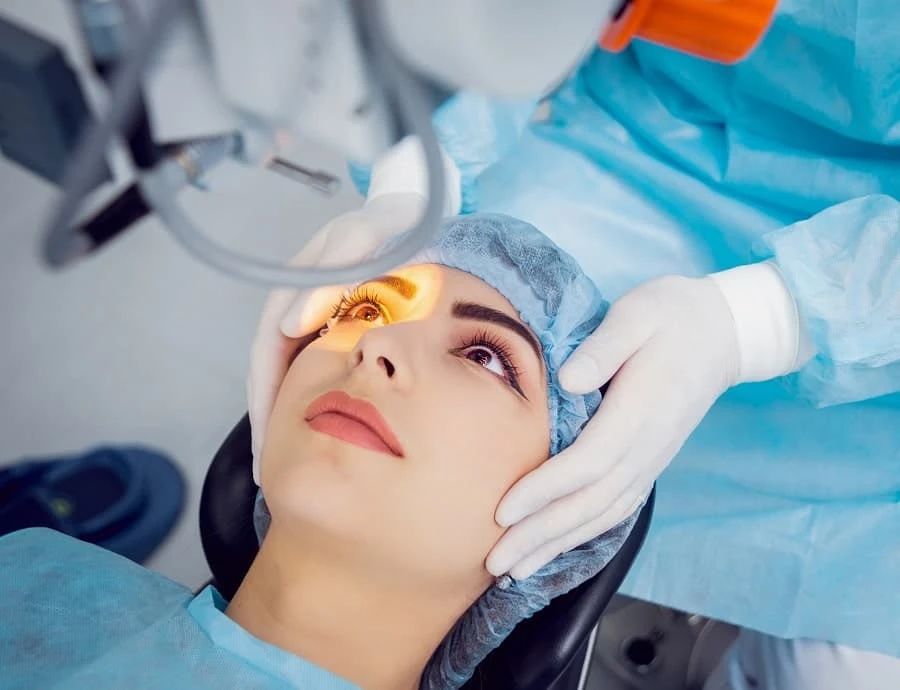
Cataract surgery in London typically involves removing the clouded natural lens and replacing it with a clear artificial lens, called an intraocular lens (IOL). The procedure is usually performed under local anaesthetic, which means the patient is awake, but the eye is numbed for comfort.
Modern techniques often use small incisions and phacoemulsification, where ultrasound waves break up the cloudy lens before removal. This approach allows for a quicker recovery and minimal discomfort. After the lens is removed, the IOL is inserted to restore the eye’s focusing ability.
The procedure generally takes less than an hour, and many patients can return home on the same day. While surgical methods may vary slightly between clinics, the goal remains the same: to restore clear, functional vision.
Preparing for Surgery
Before undergoing cataract surgery in London, patients usually have a detailed consultation. Eye measurements and scans help the surgeon determine the appropriate type and power of the intraocular lens. Patients may be advised to temporarily stop certain medications, arrange transportation for the day of surgery, and follow pre-operative instructions regarding eye drops or fasting.
It is normal to feel some anxiety before the procedure, but understanding the steps and asking questions during the consultation can provide reassurance. Clinics offering cataract surgery often provide clear guidance on what to expect, including potential risks and the recovery process.
Recovery and Aftercare
Post-surgery care is essential for a successful outcome. Patients typically use prescription eye drops to prevent infection and reduce inflammation. Wearing protective eyewear and avoiding strenuous activity during the first few weeks can support healing.
After surgery, care is essential to support healing.
- Use prescribed eye drops to prevent infection and reduce swelling.
- Avoid strenuous activity for a few weeks.
- Wear protective eyewear if advised.
- Follow-up visits to ensure the lens is positioned correctly.
Most people notice improvements in vision within a few days, though full visual recovery may take several weeks. Follow-up appointments allow the surgeon to monitor progress and ensure the lens is positioned correctly. Temporary side effects, such as mild discomfort or sensitivity to light, are common but usually resolve quickly.
Choosing a Clinic in London
Selecting a clinic carefully can improve your experience and results.
- Check the surgeon's credentials and patient reviews.
- Understand the technologies used for surgery.
- Ask about the full cost, including consultations, surgery, lens, and aftercare.
Patients may also want to understand the full cost of surgery, including consultations, scans, lens implants, and follow-up appointments. Many clinics offer transparent pricing and explain what is included, helping patients make informed decisions.
Knowing the Risks and Benefits
While cataract surgery is generally safe, like all medical procedures, it carries some risks. Possible complications include infection, swelling, bleeding, or a slight shift in lens position. Serious issues are rare, and careful follow-up can address most problems early.
It is also important to maintain realistic expectations. Cataract surgery can restore vision, but other eye conditions, such as glaucoma or macular degeneration, may limit overall improvement. Discussing personal eye health with the surgeon ensures a clear understanding of potential outcomes.
Lifestyle Considerations
After surgery, adopting healthy eye habits can support long-term vision. Wearing sunglasses outdoors protects the eyes from UV light, while maintaining regular eye check-ups helps detect any emerging conditions early. Staying hydrated, eating a balanced diet, and managing chronic health conditions, such as diabetes, also contribute to overall eye health.
It is also important to avoid smoking, as it can increase the risk of eye complications. Limiting screen time and taking regular breaks while using computers or mobile devices can reduce eye strain. Gentle eye exercises and maintaining a healthy sleep schedule further support recovery and overall eye comfort.
Additionally, following all post-operative instructions provided by your surgeon, including the use of prescribed eye drops, ensures proper healing and helps maintain clear vision for years to come.
How Technology Has Changed Cataract Surgery
Advances in technology have made cataract surgery in London safer, faster, and more precise. Modern imaging and 3D mapping allow surgeons to plan procedures accurately, while laser-assisted methods create precise incisions and remove the cloudy lens with minimal discomfort.
Improved intraocular lens designs provide customised solutions for near, distance, or multifocal vision, reducing dependence on glasses. Minimally invasive techniques shorten recovery time and lower complication risks. Innovations in lens materials enhance clarity and reduce glare or halos.
These technological developments have transformed cataract surgery into a routine, highly effective procedure that restores sight and improves quality of life.
Final Thoughts
Cataract surgery in London is a well-established, effective way to regain clarity and improve quality of life. Understanding the condition, preparation steps, surgical process, and recovery plan can help patients approach the procedure with confidence.
With careful planning, professional guidance, and adherence to aftercare instructions, many people experience significant improvement in vision and enjoy greater independence in daily life. Clear vision opens opportunities to stay active, pursue hobbies, and engage fully in day-to-day experiences.
Taking the step to consult a qualified ophthalmic clinic is the first stage in restoring sight and enhancing the quality of life for anyone affected by cataracts.





























Sign in to leave a comment.