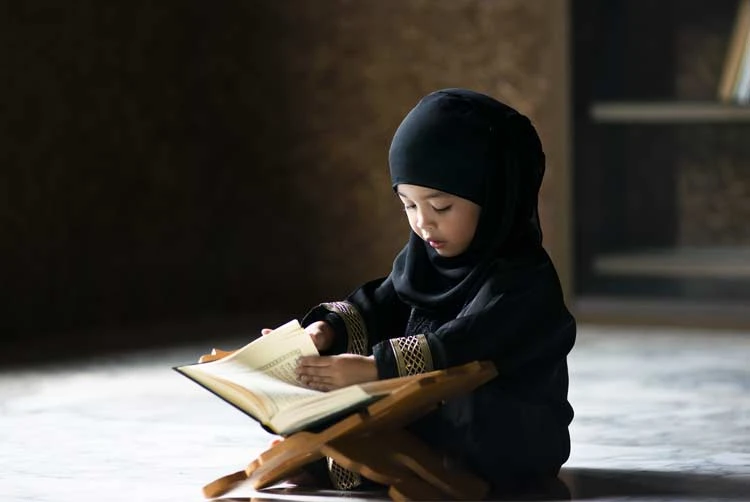

Shia Quran Learning refers to the specific approach and methodology adopted by Shia Muslims in their study and understanding of the Quran, which is the central religious text of Islam. Shia Muslims believe in the authority of the Prophet Muhammad's family, particularly his cousin and son-in-law, Imam Ali, and his descendants, known as Imams, who are considered the rightful successors to the Prophet.
In Shia Quran Learning, there is a strong emphasis on understanding the Quran within the broader context of the teachings and practices of the Imams. This includes studying their sayings, known as hadith, and considering their interpretations of the Quranic verses.
Understanding the Shia Quran Learning an Overview
Shia Islam, also known as Shi'ism, is one of the two main branches of Islam, the other being Sunni Islam. Shia Muslims make up a significant minority within the Muslim world, constituting around 10-15% of the global Muslim population. The Shia branch of Islam has its own unique beliefs, practices, and sources of religious authority.
One of the distinguishing features of Shia Quran Learning is its belief in the concept of Imamate. Shia Muslims believe that after the death of the Prophet Muhammad, leadership of the Muslim community should have passed on to his cousin and son-in-law, Ali ibn Abi Talib, and then to a line of designated Imams who are believed to be divinely chosen and infallible.
Regarding the Quran, both Sunni and Shia Muslims consider it to be the holy book of Islam, revealed by God to the Prophet Muhammad through the angel Gabriel. The Quran is believed to contain the literal words of God and serves as the primary source of guidance for Muslims in matters of faith, morality, and conduct.
While the Quran is universally accepted by all Muslims, there are some differences in the way it is approached and interpreted between Sunni and Shia Muslims. One notable difference is the Shia belief in the concept of "ta'wil," which refers to the interpretation of the Quranic verses through the teachings of the Imams.
Overall, the Shia approach to Shia Quran Learning incorporates the belief in the Imamate and the interpretations of the Imams as an additional source of understanding alongside the Quran itself.
The Role of Shia Quran Learning in Islamic Education
Shia Quran Learning plays a significant role in Islamic education, particularly within the Shia Muslim community. The Quran, regarded as the holy book of Islam, holds great importance for all Muslims, including Shia Muslims. It serves as a guide for their religious beliefs, practices, and moral values. Quranic education is crucial in fostering a deep understanding of the teachings of Islam and nurturing a strong spiritual connection with God.
In Shia Islam, the study and interpretation of the Quran are approached with a distinct perspective that reflects the Shia theological and juridical traditions. Shia Quran Learning focuses not only on the literal meaning of the verses but also on the deeper spiritual and metaphysical dimensions of the text. This approach is guided by the belief in the infallibility and divine guidance of the Imams, who are considered as the true interpreters of the Quran.
Shia Quran learning is typically carried out in specialized educational institutions known as Hawzas or Islamic seminaries.
Overall, Shia Quran learning holds a crucial place in Islamic education by providing Shia Muslims with a comprehensive understanding of the Quran's teachings and nurturing a strong spiritual connection with God.
Curriculum and Teaching Methods in Shia Quran Learning
In Shia Islam, the learning and teaching of the Quran hold significant importance. Shia Muslims believe in the divine nature of the Quran and its role as a guide for personal and societal well-being. The curriculum and teaching methods in Shia Quran Learning are designed to ensure a deep understanding of the Quranic text and its teachings.
Curriculum:
Memorization (Hifz): Memorization of the entire Quran is highly emphasized in Shia Quran learning. Students are trained to recite the Quran from memory, preserving the exact words and pronunciation. This is often achieved through repetitive recitation and regular revision.
Tajweed: Tajweed refers to the correct pronunciation and recitation of the Quran. Students learn the rules of Tajweed, which govern the proper pronunciation of letters, elongation of sounds, and other specific guidelines. Tajweed ensures the beauty and accuracy of Quranic recitation.
Teaching Methods:
Recitation and Listening: Students are encouraged to recite the Quran regularly to develop fluency and accuracy. Teachers correct pronunciation and intonation errors, ensuring adherence to Tajweed rules. Additionally, students listen to their teachers' recitations to learn the correct manner of reciting the Quran.
Memorization Techniques: Memorization of the Shia Quran Learning is facilitated through various techniques such as repetition, reciting in front of teachers or peers, and memorization aids like audio recordings or written copies. Teachers often employ mnemonic devices and encourage regular revision to solidify memorization.
Significance of Shia Quran Learning in Shia Muslim Community
In the Shia Muslim community, Quran learning holds significant importance and is considered a vital aspect of religious education.
Emphasis on Imams' interpretation: Shia Quran Learning believes that the Imams possess divine knowledge and guidance, including their understanding and interpretation of the Quran. They consider the Imams' interpretations as authoritative and seek to learn from their teachings.
Shia scholars and Quranic experts explore these deeper meanings by referring to the interpretations of the Imams. Quran learning in the Shia community involves delving into the allegorical and metaphorical aspects of the Quran to uncover its comprehensive message.
Contextual Understanding: Shia Muslims emphasize the historical and contextual background of the Quranic verses. They believe that understanding the circumstances in which the verses were revealed and the events surrounding them is crucial to comprehend their intended meanings fully.
Overall, Shia Quran Learning holds great significance in the Shia Muslim community as a means of seeking spiritual guidance, understanding the Imams' interpretations, comprehending the hidden meanings, and connecting with Allah's divine message.


























Sign in to leave a comment.