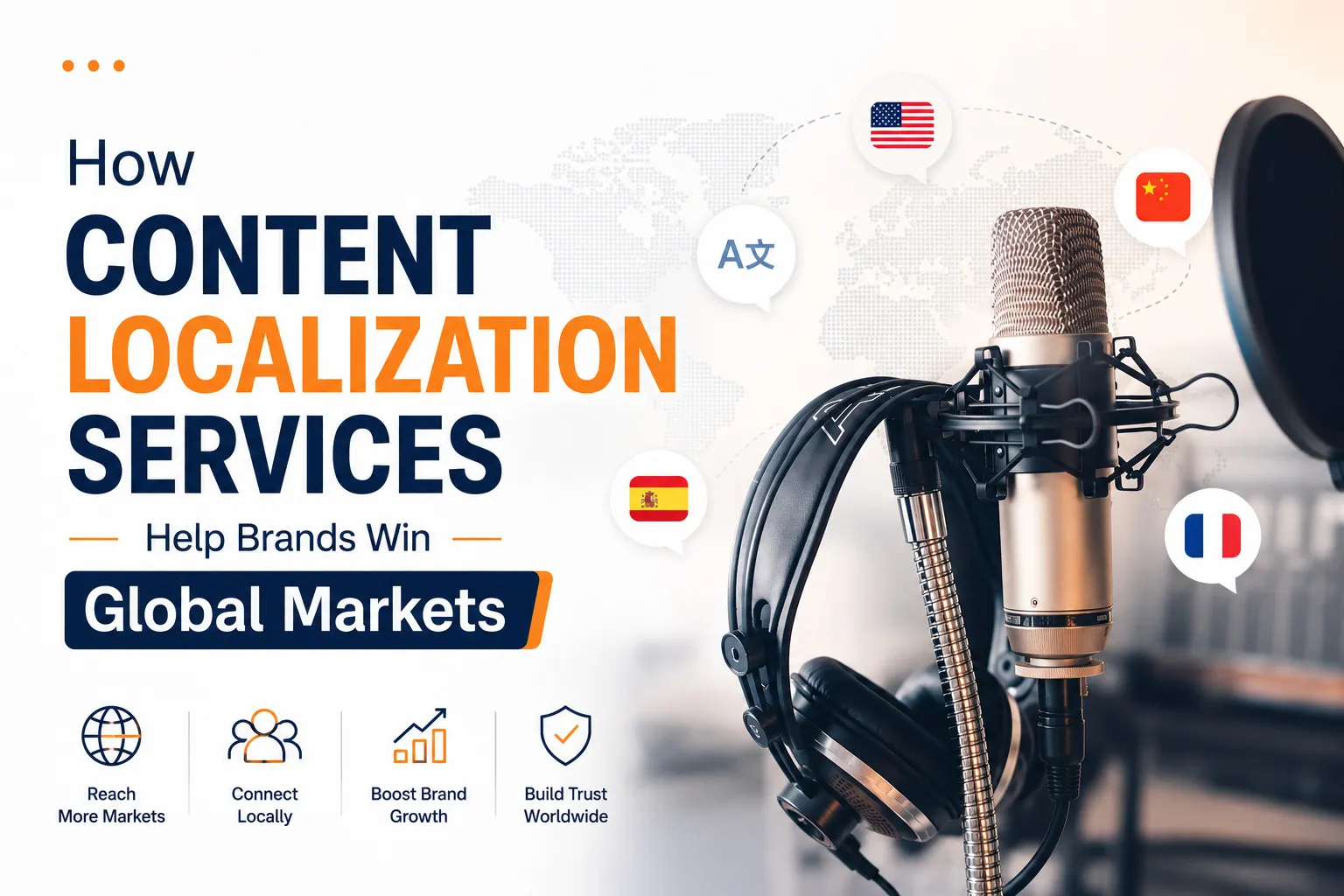

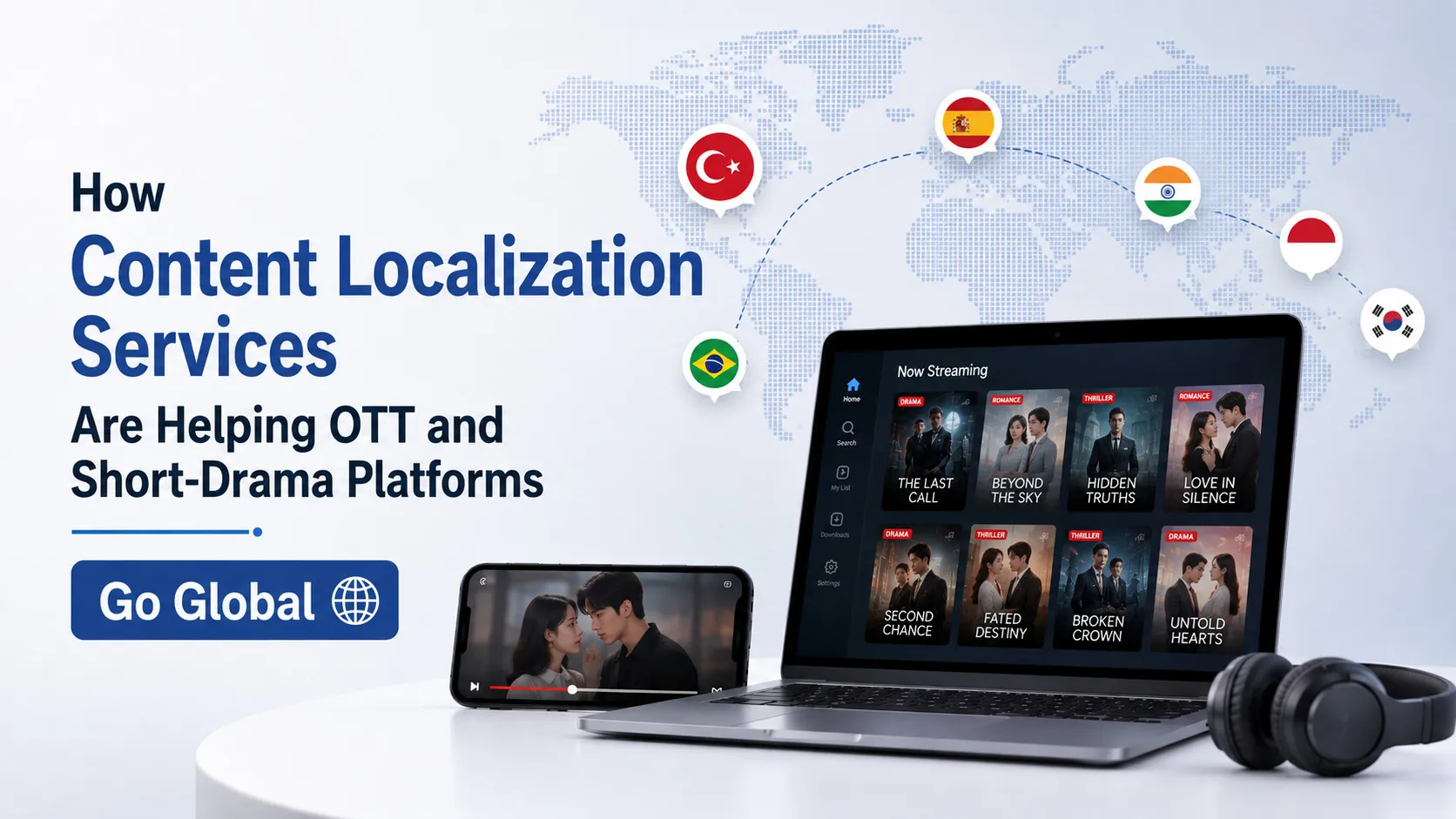
How Content Localization Services Help Brands Win Global Markets
Going global sounds exciting. Then your product hits a new market. And it doesn't speak the local language literally.
A great ad can fall flat if the humor doesn't translate. A good course can lose learners if the voiceover sounds robotic. This is where content localization services come in. They turn generic global content into something local audiences trust.
Localization isn't just translation anymore. It's dubbing. It's subtitling. It's cultural adaptation. It's voice direction. All of it works together to make content feel native, not imported.
Why Content Localization Services Matter More Than Ever
Streaming platforms now drive most global content consumption. The numbers back this up. Streaming accounts for the majority of localized content demand worldwide. Dubbing already reaches viewers in more than 190 countries. Hundreds of languages are actively used. The global dubbing and localization market is now worth roughly $7 to $8 billion. It's growing at double-digit rates. Streaming platforms, YouTube creators, and short-form drama producers are all competing for multilingual audiences.
This growth isn't accidental. Audiences prefer content in their own language. It's that simple. A film, course, or ad that speaks natively to a viewer builds trust faster than one that feels translated. For brands, that trust turns into engagement. Engagement turns into revenue.
What Content Localization Actually Involves
Many people assume localization means swapping words from one language to another. It's more layered than that.
Dubbing and Voice Localization
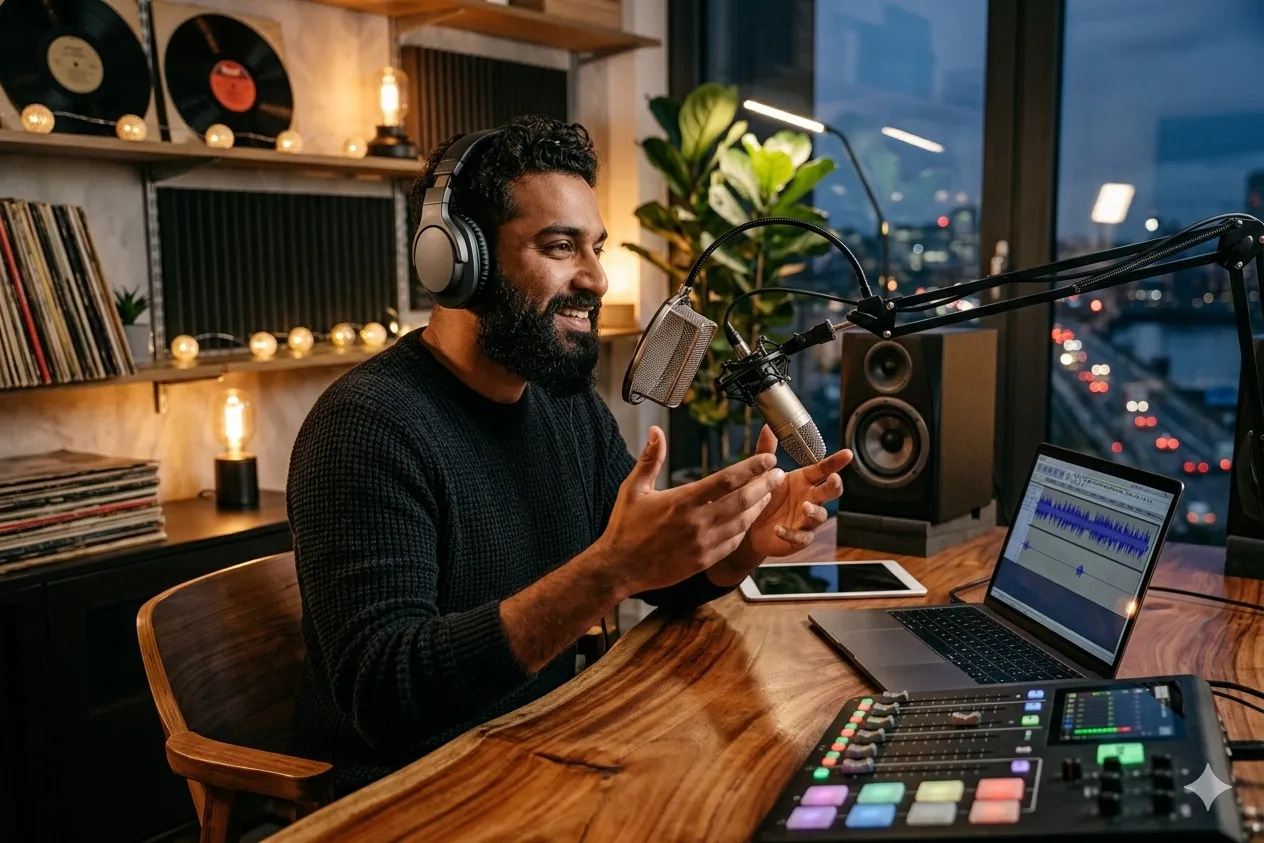
Professional dubbing replaces original dialogue with new voice performances. These match lip movement, tone, and pacing. It's different from raw translation. A skilled voice director adapts jokes and idioms. The goal is authenticity, not a robotic overlay.
Subtitling and Multilingual Media
Subtitling matters for accessibility. Many viewers simply prefer reading over dubbed audio. Streaming platforms often localize a single title into six or more languages at once. Subtitling has become a core part of global distribution.
Cultural and Contextual Adaptation
Good localization goes beyond words. It adjusts references, humor, and visuals to match local expectations. Even colors can carry different meanings across cultures. A campaign that works in one country can fail in another. Small details matter.
How AI Is Changing the Localization Landscape
AI has become a real accelerator in localization. It's not a replacement for human skill. AI-assisted voice synthesis and automated subtitling now speed up turnaround times. This matters most for high-volume content, like micro-dramas and YouTube uploads. Reports show AI tools are already used across a large share of localization workflows.
But AI has limits. Idioms trip it up. Humor trips it up. Emotional nuance trips it up too. The best results come from hybrid workflows. AI handles speed and scale. Human linguists and voice talent handle authenticity. Brands that rely only on AI risk content that sounds correct but feels flat.
The Business Case for Investing in Localization
For brands entering new markets, localization isn't a cost. It's a growth lever.
- Faster market entry: Localized content reduces cultural friction. It helps brands connect with new audiences faster.
- Higher engagement: Native-language content consistently beats subtitled-only or untranslated content in watch time.
- Regulatory compliance: Many regions now require audio description or multilingual accessibility. This applies especially to streaming and education.
- Brand credibility: Poor localization shows. Mistranslated copy. Mismatched lip-sync. Awkward voice casting. Quality localization signals the opposite that a brand cares.
Choosing the Right Localization Partner
Not all localization providers are equal. Look for real production experience. Dubbing, subtitling, and voice direction matter more than translation memory tools alone. Studio-based quality control matters. Native-speaking voice talent matters. Transparent workflows matter.
A good partner also understands platform requirements. A streaming original needs different treatment than a corporate training video. A short-form social clip needs something different again.
Final Thoughts
Global markets don't respond to content that's merely translated. They respond to content that feels made for them. That's the real value of professional content localization services. They turn one piece of content into dozens of culturally resonant experiences. And they do it without losing the original's intent or emotional impact.
Ready to expand into new linguistic markets? An experienced dubbing and localization studio can make the difference. The difference between content that gets watched and content that gets skipped. Reach out to a professional localization team. Start planning your next global project today.



























Sign in to leave a comment.