

In 2026, B2B marketing teams are not really arguing about reach or clicks anymore. The question that the top management is asking is much more straightforward: Which channel has the lowest cost per opportunity and the highest impact on the pipeline?
As budgets are being carefully analysed and buying cycles are getting longer, two channels are still the most talked about in B2B demand planning, the content syndication, and paid social. They both contribute to modern B2B demand generation, but they are disparate when it comes to measuring against opportunity creation rather than just looking at the surface-level metrics.
This blog elaborates on how the channels stack up against each other, the areas of their wins and failures, and the investment decisions being made by the revenue teams in 2026.
Why Cost per Opportunity Matters More Than Clicks in 2026
Today, B2B purchasers are mainly doing their research in an anonymous manner. The purchasing group is frequently already half done with the vendor assessment when a form is filled out.
Due to the change in the behaviour of B2B buyers, the current B2B Demand Generation is measured by:
- Quality of opportunity
- Speed of the pipeline
- Engagement of the buying group
- Sales rejections rates
Just metrics like CPC or impressions are not enough anymore to justify the investment.
How Content Syndication Performs in B2B Demand Generation
The process of Content Syndication has the capability to put your valuable assets, such as reports, guides, and comparison content, on the front line of the third party platforms that buyers are already consuming on.
In the year 2026, the success of the syndication shows in the high performance category is measured, not by the size of the material, but rather through:
- Intent-aligned
- Account-Filters
- Buying Committees
Benefits of Content Syndication
- Technologies which we get in hand.
- Reaches the buyers even before the vendor shortlists are ready.
- Helps the seller understand the stage of buyer research through the activity of the buyer intent and not from scrolling activities.
- Provides a flow of leads that is steady, as per the criteria of ICP.
- Improved conversion into opportunities when combined with intent data.
In the B2B Demand Generation campaigns where the teams target the mid-market and enterprise deal sizes, the cost of content syndication again shows a lower cost per opportunity despite the cost per lead being relatively higher.
How Paid Social Performs in 2026
There is still social advertising, especially in the B2B space, including LinkedIn. However, it has proven less effective.
Benefits of Paid Social
- Extremely strong for awareness and recall purposes.
- Useful for retargeting familiar accounts.
- Fast Activation and Testing of Messages.
Limitations in Opportunity Creation
- Increase in CPCs year-over-year.
- Insufficient information about genuine purchasing intentions.
- Engagement does not necessarily mean readiness to buy.
- Frequently inspires pipeline indirectly, but never directly.
Social media marketing is more effective as an enabling tool for Demand Generation in the B2B environment, and not the principal driver of the creation of opportunities.
Cost per Opportunity: The Real Comparison
This becomes clearer when measured purely on cost per opportunity:
- Paid social often delivers lower upfront CPL but a higher cost per qualified opportunity.
- Content Syndication delivers fewer but more sales-ready opportunities.
- Syndication opportunities indicate a better meeting-to-pipeline conversion.
- Sales teams trust syndicated leads more when endorsed with intent signals.
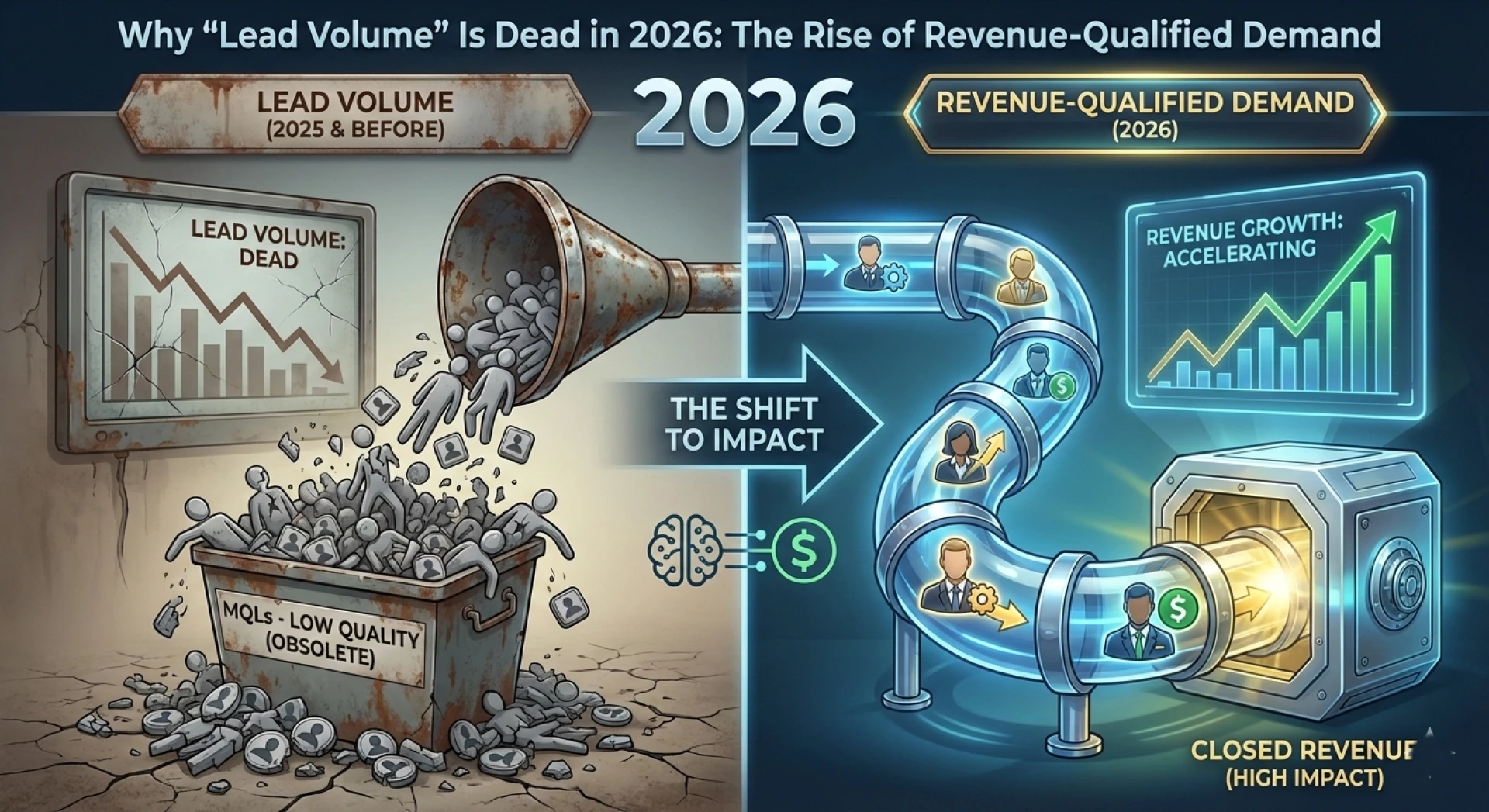
In 2026, revenue teams priorities are to shift toward conversion efficiency, not volume.
The Winning Strategy in 2026: Integration, Not Isolation
The best-performing Demand Generation groups from the world of Business-to-Business marketing aren’t deciding between one type of channel and another. They’re actually using all of them and using them well.
A proven method:
- Apply Content Syndication to identify early research intent and fill the top of the funnel.
- Add intent data to target in-market accounts.
- Use paid social to target the groups showing interest in buying.
- Point sales efforts at intent-verified activity jumps.
- Engage in account.
It increases the quality of opportunities because it eliminates wasteful expenditure.
Conclusion: Where Should B2B Teams Invest in 2026?
If your primary KPI is pipeline and revenue, Content Syndication delivers a stronger return at the opportunity level. Paid social remains valuable for awareness and reinforcement, but it rarely outperforms syndication when opportunity cost is the benchmark.
If your B2B Demand Generation strategy is still optimised for clicks instead of opportunities, it’s time to rethink the mix. Partner with Demandify Media to activate intent-driven Content Syndication programs that help revenue teams reach in-market buyers earlier, reduce cost per opportunity, and build predictable pipeline growth in 2026.





























Sign in to leave a comment.