

In 2026, buyers in a business-to-business setting do not make their readiness to engage with a salesman public. These individuals do quiet research on vendors, compare them on various platforms, and engage larger buying committees compared to previous years. Before a form is even submitted, most of these individuals are already influenced by what is to be offered to them.
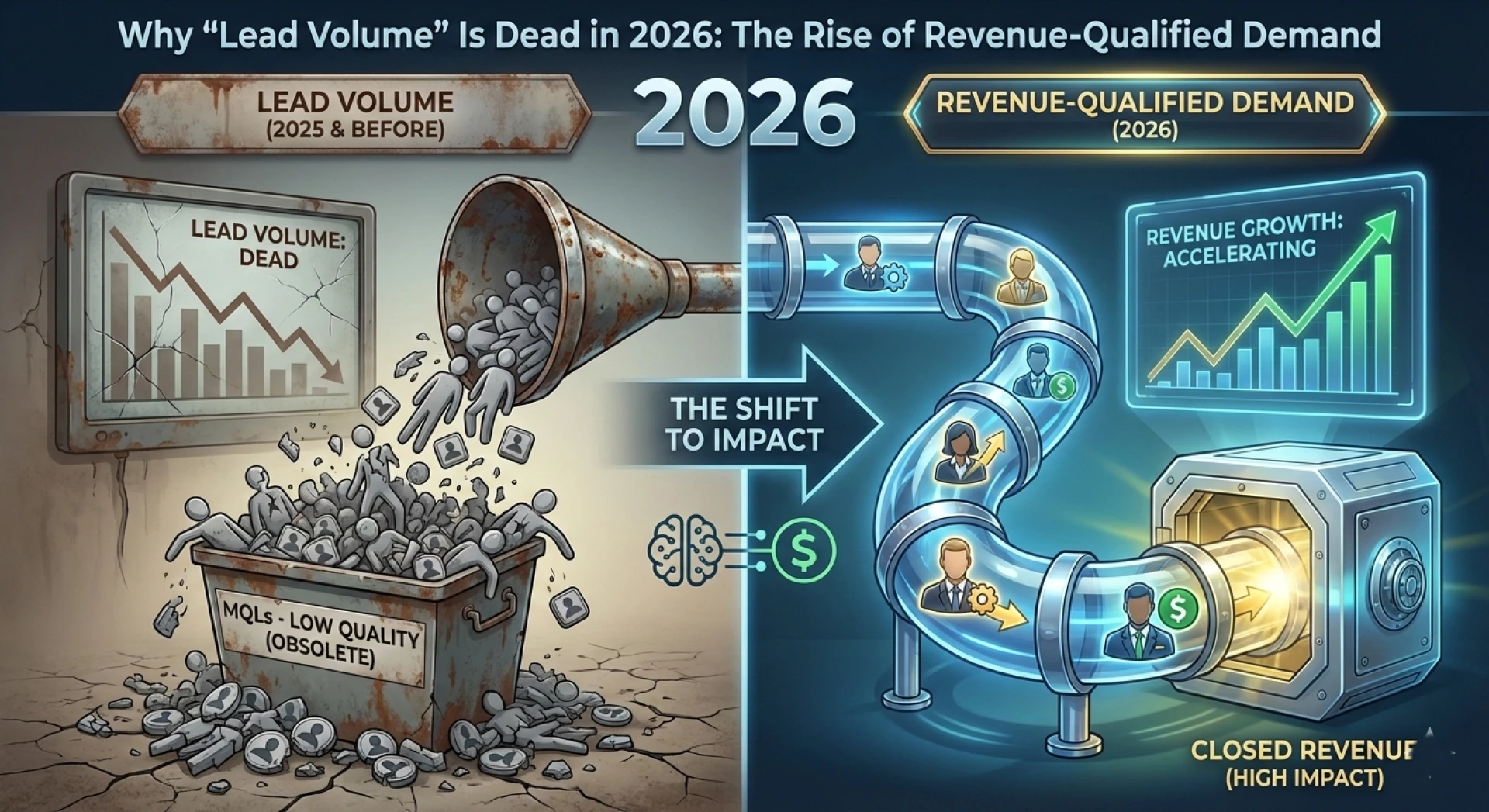
It is for this reason that B2B Content Syndication has grown from a lead generation approach to a fundamental force for B2B Demand Generation. Done right, it achieves reach, but it also builds sales-ready pipeline with context, intent, and timing on your side.
This play book deconstructs the process that current B2B groups are utilising to achieve content syndication for a predictable pipeline in 2026.
Why B2B Content Syndication Matters More in 2026
It's tougher to win organic visibility, paid media costs keep going up, and buyer attention is fragmented across platforms, publishers, and formats.
B2B Content Syndication solves this by placing your content directly in the environments where buyers are already researching industry publications, professional communities, and trusted media networks.
Unlike traditional lead generation, modern syndication focuses on:
- Reaching buyers before vendor short-listing.
- Capturing intent at a topic level, not just contact information.
- Selling to multiple stakeholders in one account.
That makes it a natural extension of any serious B2B Demand Generation strategy.
What B2B Content Syndication Really Means Today
In 2026, B2B Content Syndication will not be about reposting blogs or pursuing gated downloads.
Structured distribution model where high-value content-reports, guides, solution briefs, case studies and are promoted on third-party platforms through strict targeting criteria like:
- Job role and seniority
- Industry and company size
- Geographical relevance
- Technology environment
- Active research behaviour
The goal is straightforward: In-market accounts need to be reached at the moment when they are educating themselves.
How Content Syndication Fuels Predictable Pipeline
1. It Captures Buyers Earlier Than Inbound Alone
B2B buyers typically had viewed multiple pieces of content before visiting a company’s website for the first time. Brands can now reach this stage of a customer’s research process through the means of syndication instead of having to wait for leads to come to them through the process of inbound marketing.
2. It Improves Lead Quality When Paired With Intent Signals
The best-performing programs today combine content engagement elements with behavioural and firmo-graphic filters, and this means you are left with leads that are relevant not only on paper but are also likely studying your category.
3. It Supports Full-Funnel B2B Demand Generation
Content Syndication feeds:
- Top-of-funnel awareness
- Mid-funnel education
- Account-level engagement for ABM programs
When nurtured correctly, syndicated leads convert faster because trust and familiarity are already established.
The Assets That Perform Best in 2026
Not every piece of content should be syndicated. The best assets are:
- Industry benchmark reports
- Problem-solution guides
- Checklists for Comparison and Evaluation
- Use-case driven case studies
- Buyer enablement content
These assets attract prospects who are in an active evaluation cycle versus casual browsers.
Turning Syndicated Leads Into Sales-Ready Opportunities
One of the biggest mistakes teams still make is sending syndicated leads straight to Sending syndicated leads straight to sales is one of the biggest mistakes that teams still commit.
By 2026, successful B2B Demand Generation teams will:
- Route leads through intent-based nurturing
- Track multi-stakeholder engagement at an account level.
- Align sales outreach to demonstrated research topics
- Use behavioural scoring models-not form fills
It does so by increasing meeting acceptance rates and reducing pipeline leakage.
What’s Changing in B2B Content Syndication for 2026
The next evolution includes:
- AI-driven topic expansion and personalization.
- Predictive account scoring.
- Multi-format syndication across video, interactive PDFs, and micro-content.
- Richer alignment to ABM and RevOps workflows.
B2B Content syndication is no longer a supporting tactic but rather it's becoming a core pipeline engine.
Conclusion: Turning Reach Into Revenue
B2B Content Syndication has matured into one of the most reliable ways to drive predictable, high-quality pipeline in 2026. When aligned with intent data, smart targeting, and structured nurturing, it strengthens every layer of B2B Demand Generation.
If your current content syndication efforts are generating leads but not revenue, it’s time to rethink execution. Partner with Demandify Media that treats B2B Content Syndication as a pipeline strategy not a volume play and start converting early research into sales-ready opportunities that your revenue team can trust.
Follow for More.




























Sign in to leave a comment.