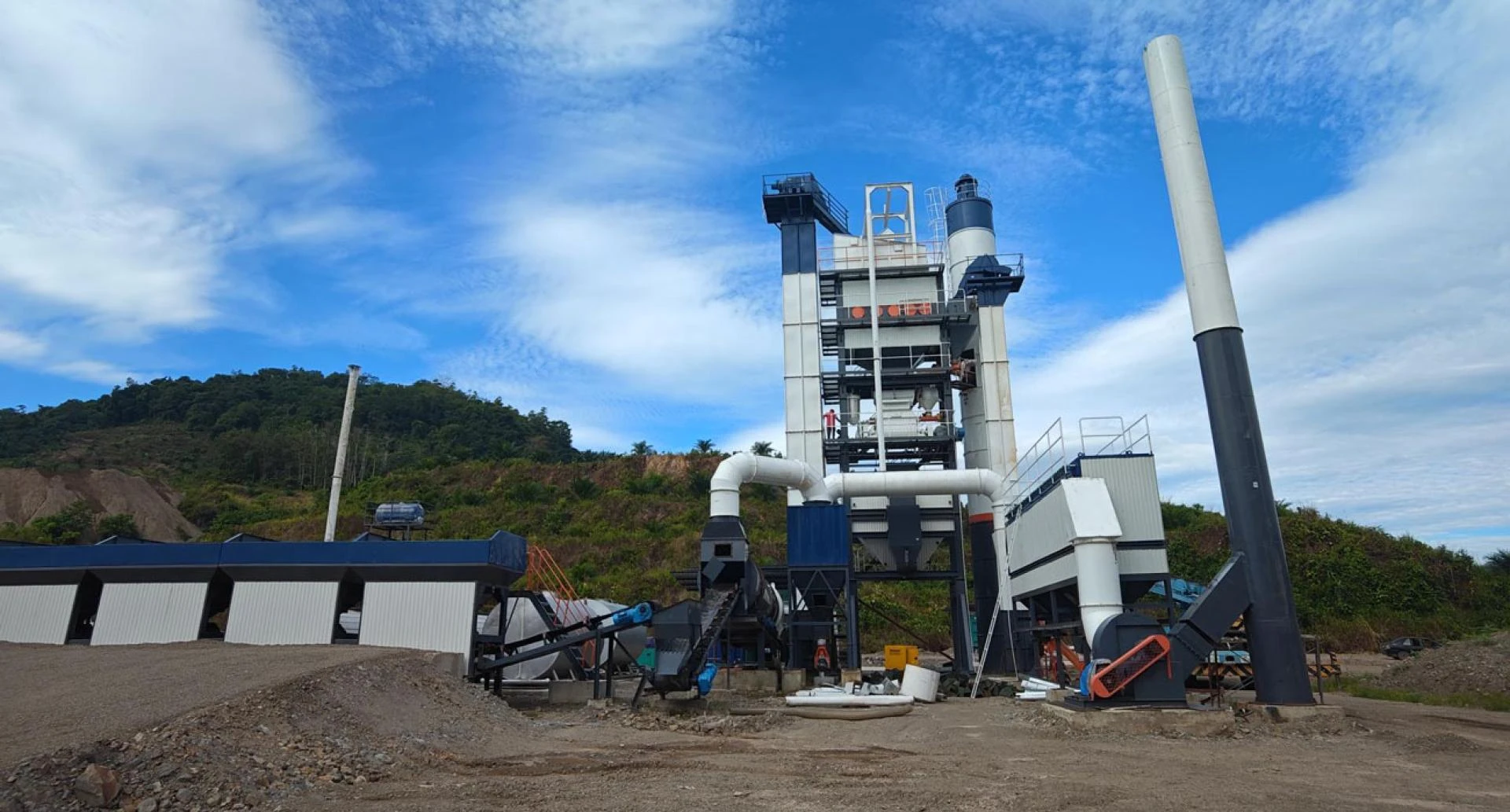

During the asphalt production process, the heating temperature of aggregates and asphalt plays a crucial role in determining the quality of asphalt mixtures. Achieving the right temperatures is essential for ensuring optimal performance, durability, and longevity of the final product. This article will explore effective methods for precisely controlling these two critical temperatures, ultimately enhancing the quality of asphalt mixtures.
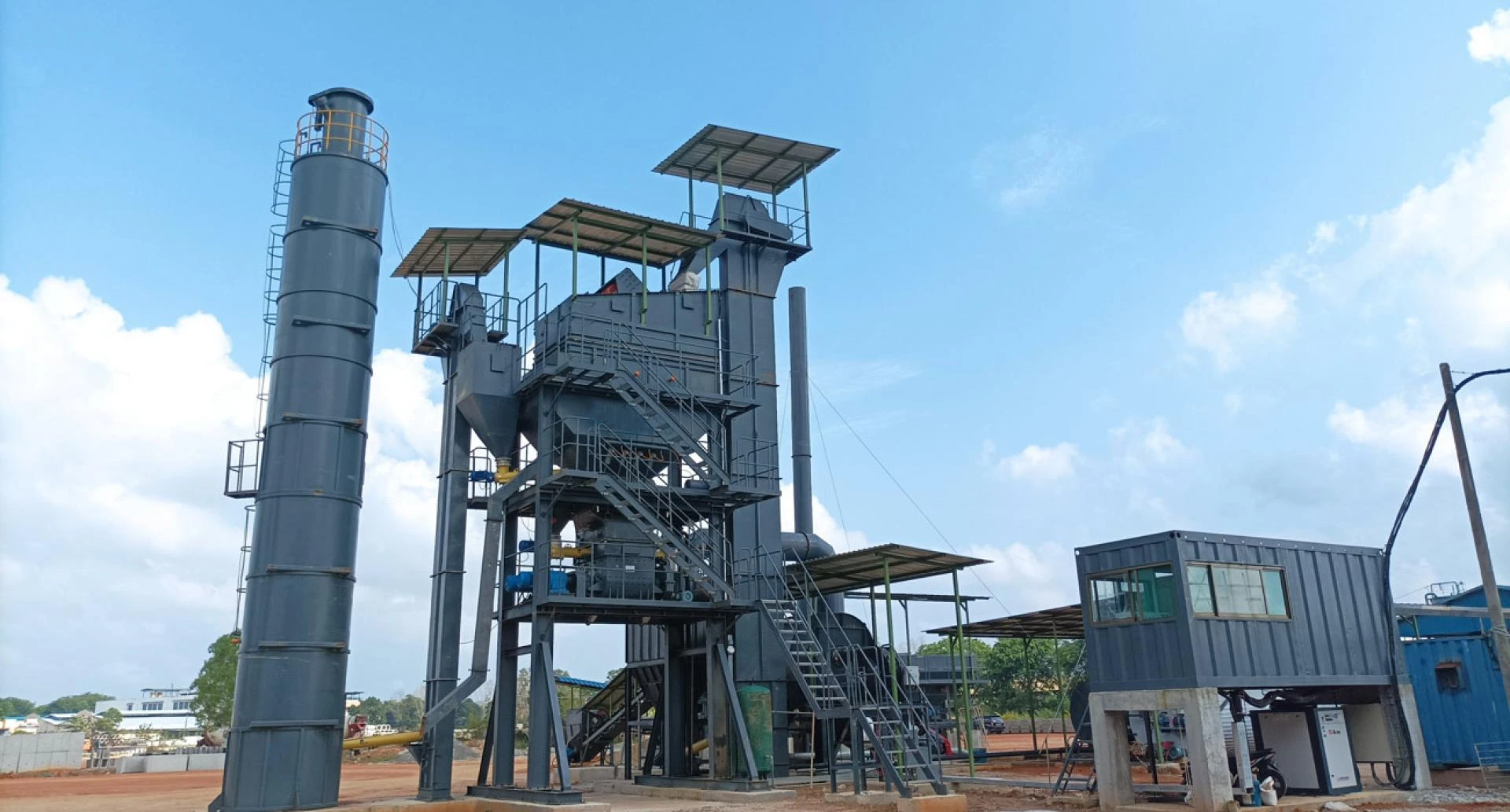
Importance of Heating Temperature in Asphalt Production
The heating temperature of aggregates is vital because it affects the adhesion of asphalt to the aggregate particles. If aggregates are not heated adequately, moisture can remain trapped on their surface, preventing proper bonding. This can lead to weak spots in the asphalt mixture, resulting in premature wear and potential failure of the surface.
Similarly, the heating temperature of asphalt is crucial for achieving the desired viscosity. If asphalt is heated too much, it can degrade and lose essential properties. Conversely, if the temperature is too low, the asphalt may not flow properly during mixing, leading to an uneven distribution throughout the aggregate. Therefore, maintaining precise control over both heating temperatures is essential for producing high-quality asphalt mixtures.
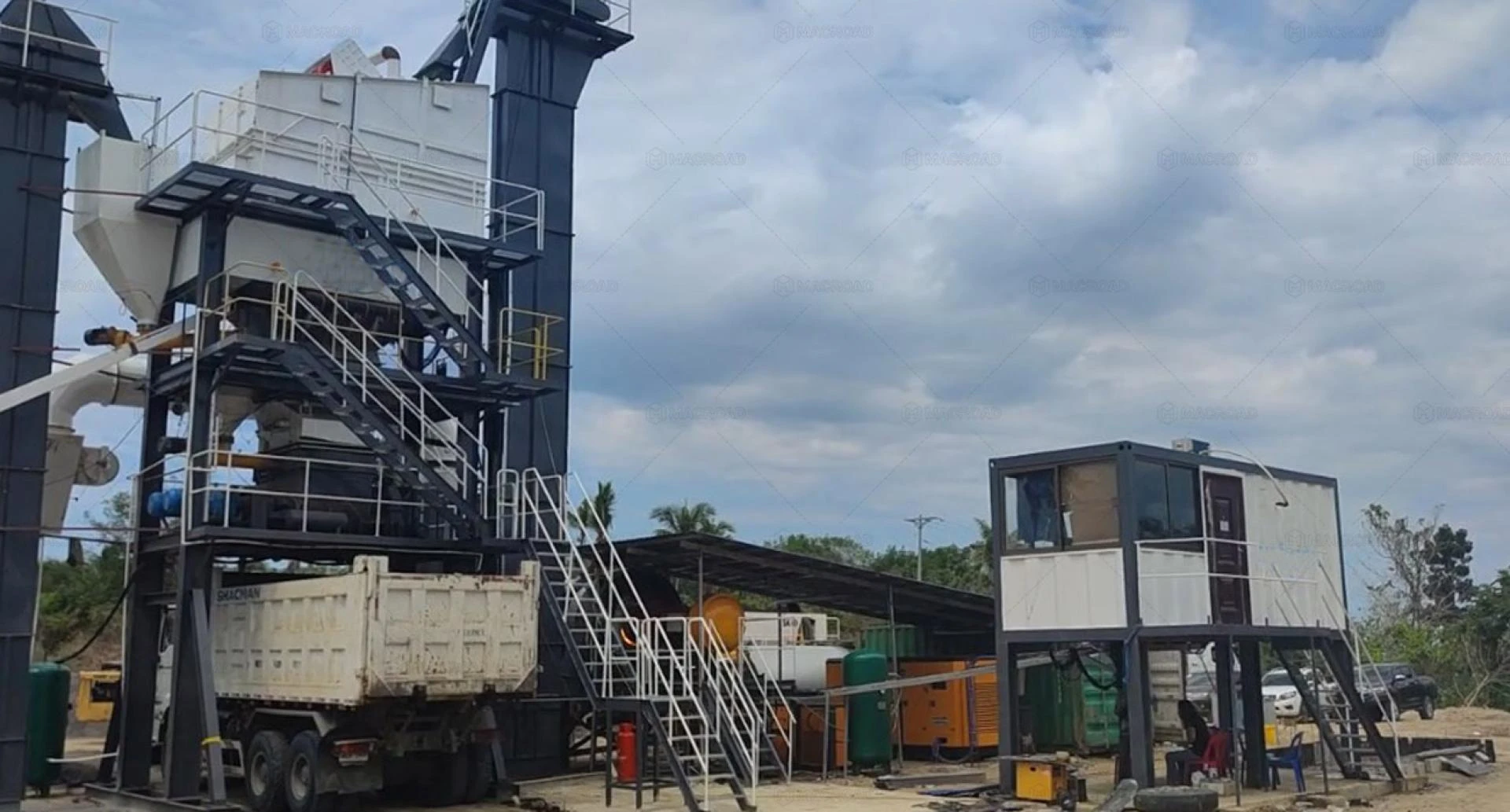
Techniques for Controlling Aggregate Heating Temperature
To achieve optimal heating of aggregates during asphalt production, several techniques can be employed. First, using advanced drying and heating systems can ensure that aggregates reach the ideal temperature without overexposure. These systems often incorporate sensors and automated controls that monitor the temperature in real-time, allowing for immediate adjustments as needed.
Additionally, pre-heating aggregates can be beneficial, especially in cooler climates. By keeping aggregates at a consistent baseline temperature before they enter the mixing process, operators can reduce the overall heating time and energy consumption. This method not only enhances efficiency but also ensures more uniform heating, improving the overall quality of the asphalt mixture.
Regular maintenance of heating equipment is also crucial. Ensuring that burners and heating elements are functioning optimally prevents temperature fluctuations that could negatively impact the heating process. By investing in reliable and well-maintained equipment, operators can achieve more consistent heating outcomes.
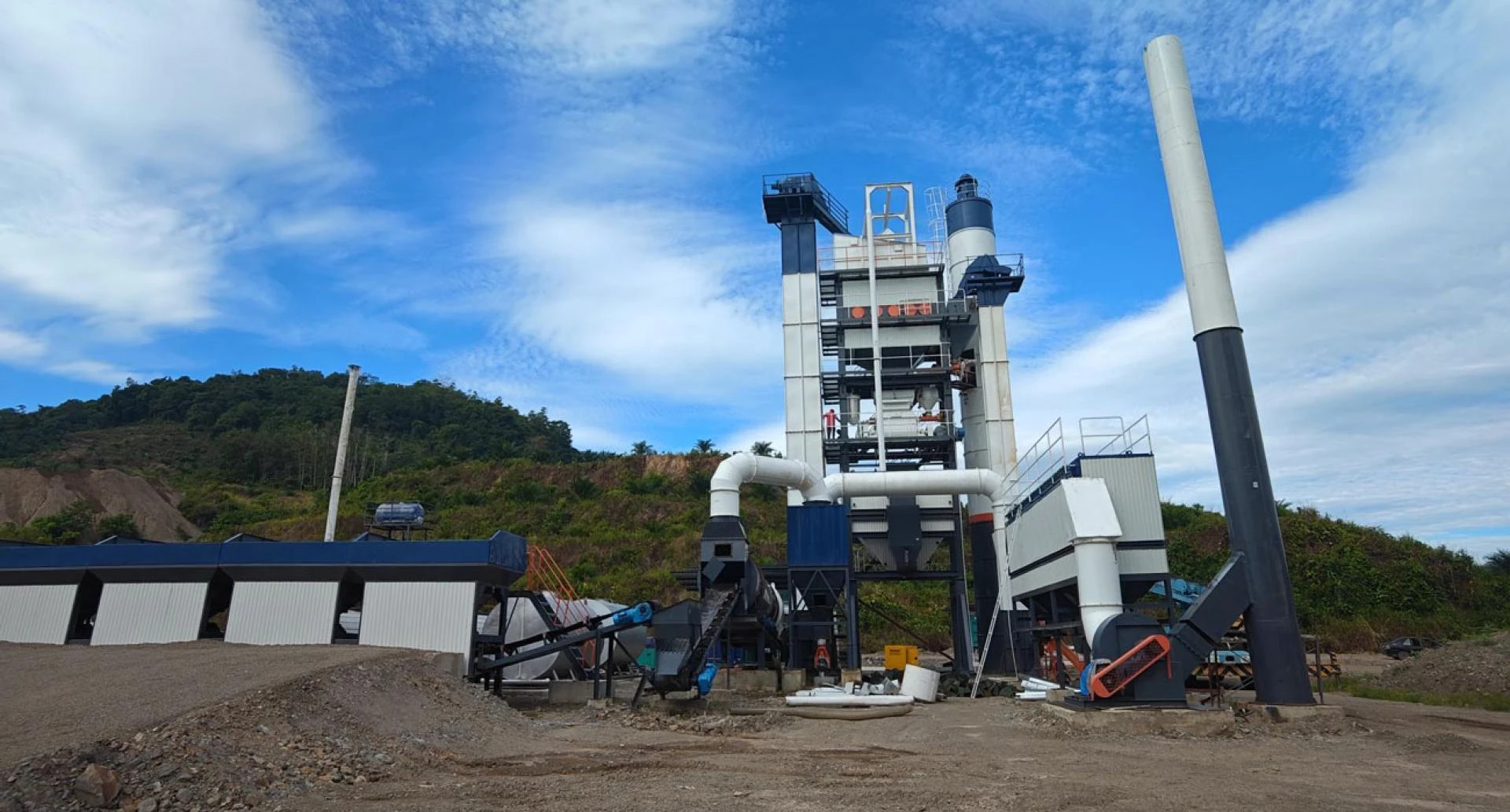
Strategies for Managing Asphalt Heating Temperature
To manage the heating temperature of asphalt effectively, precise monitoring and control systems are essential. Utilizing digital temperature gauges and automated feedback systems can help maintain the required asphalt temperature throughout the production process. These systems can provide real-time data, allowing operators to make timely adjustments and ensure that the asphalt remains within the optimal heating range.
Another effective strategy is to use insulated storage tanks for asphalt. Insulation helps maintain the desired temperature, reducing the risk of heat loss. This is particularly important during periods of extended downtime, where asphalt may cool too much and require reheating. By minimizing heat loss, operators can maintain the quality of the asphalt and ensure its performance characteristics are preserved.
Training personnel on the importance of temperature control is also essential. Ensuring that operators understand how temperature affects the asphalt production process can lead to more vigilant monitoring and better decision-making during production. This emphasis on education can significantly enhance the overall quality of the asphalt mixtures produced.
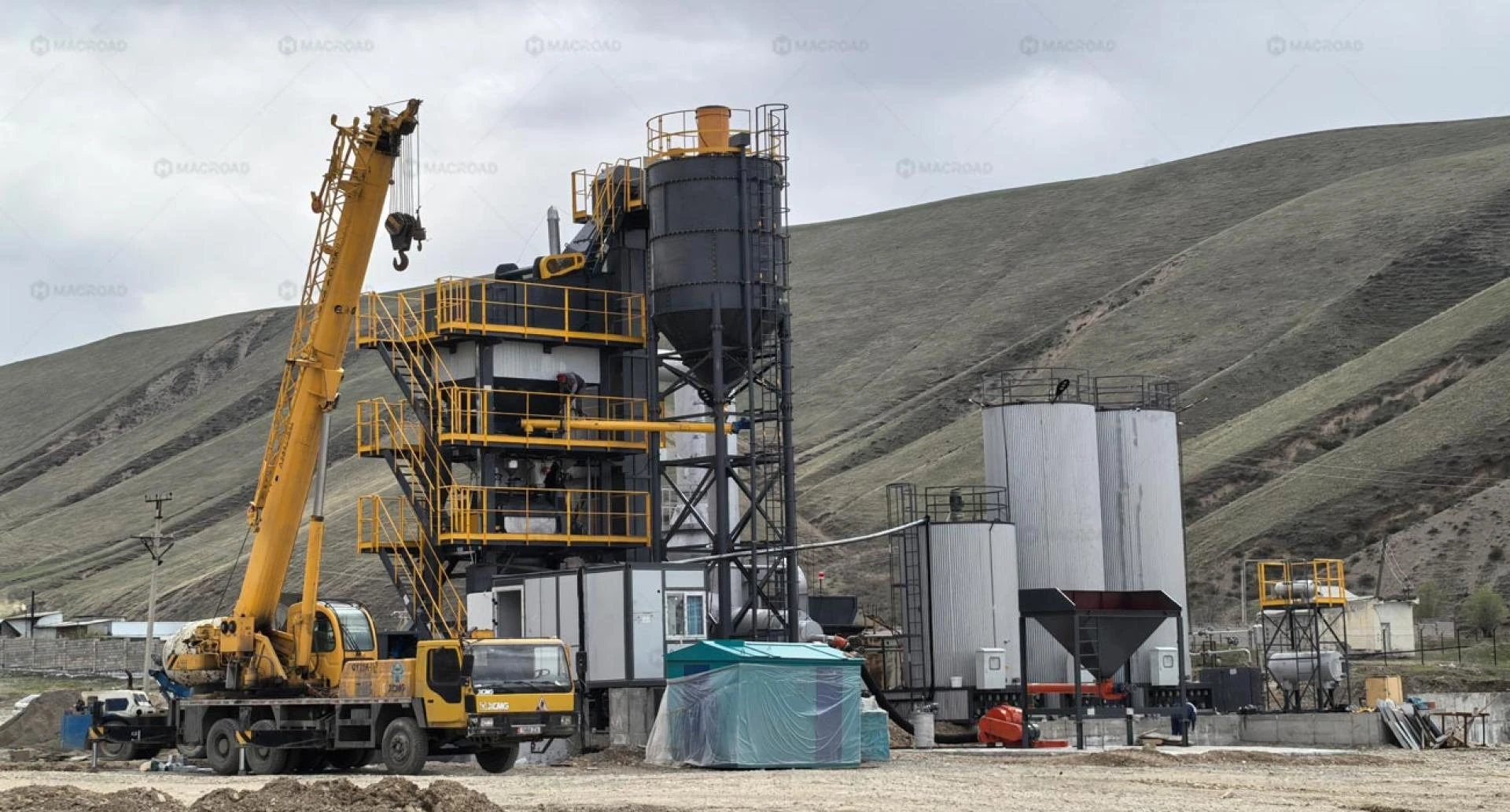
Impact on Overall Asphalt Production Quality
The ability to control the heating temperatures of aggregates and asphalt directly impacts the quality of the final asphalt mixture. Properly controlled temperatures lead to better adhesion, improved durability, and enhanced performance characteristics. This ultimately results in a longer-lasting product that can withstand the rigors of traffic and environmental conditions.
Moreover, effective temperature management can lead to cost savings. By optimizing the heating process, operators can reduce energy consumption and minimize waste, contributing to a more sustainable production model. High-quality asphalt mixtures also reduce the likelihood of future repairs and maintenance, further lowering overall project costs.
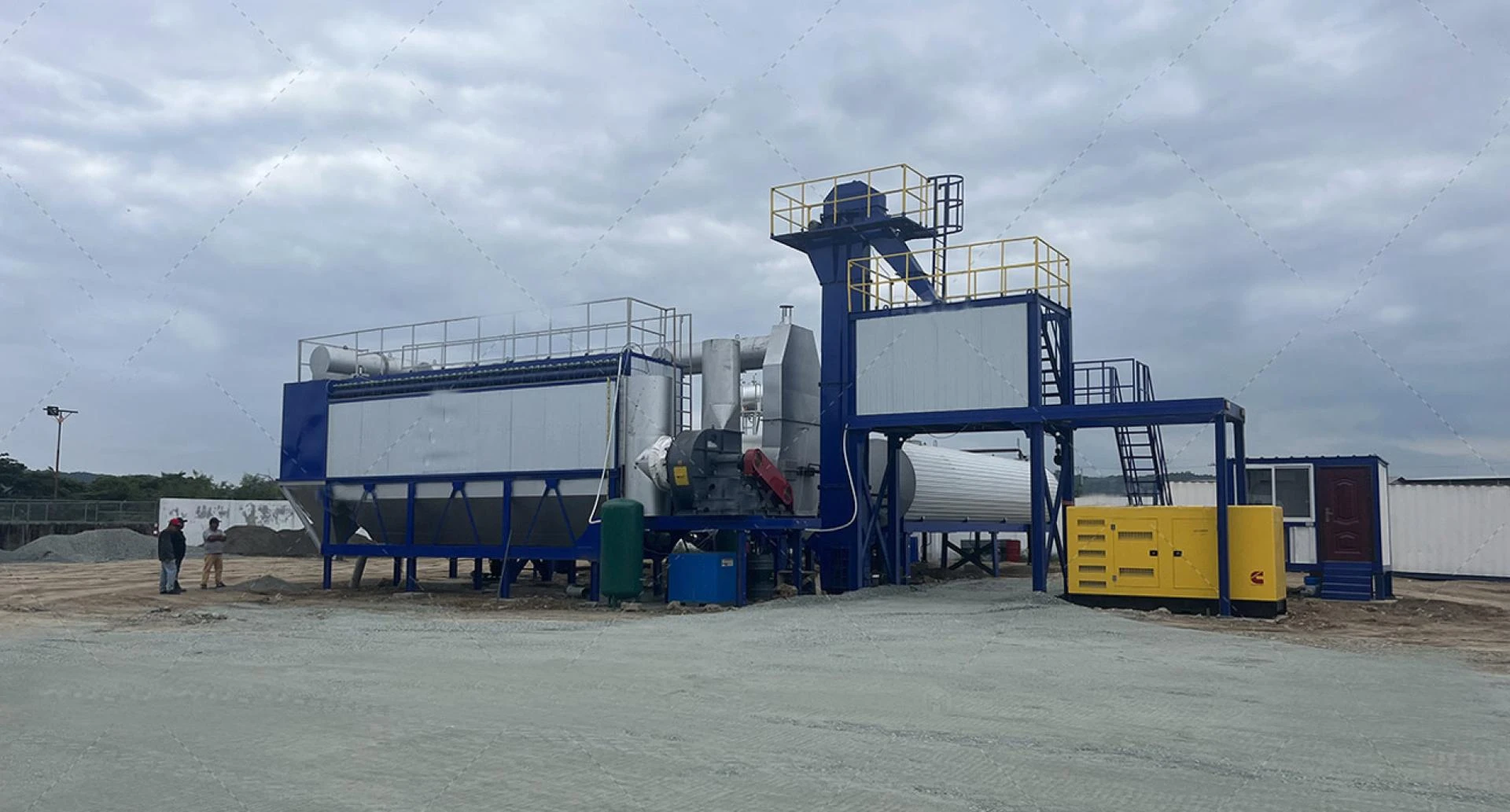
In conclusion, precise control of heating temperatures during asphalt production is critical for ensuring optimal mixture quality. By employing advanced heating techniques, utilizing real-time monitoring systems, and training personnel, operators can significantly enhance the performance and durability of asphalt mixtures. This focus on temperature management not only improves the final product but also contributes to more efficient and sustainable asphalt production practices.




























Sign in to leave a comment.