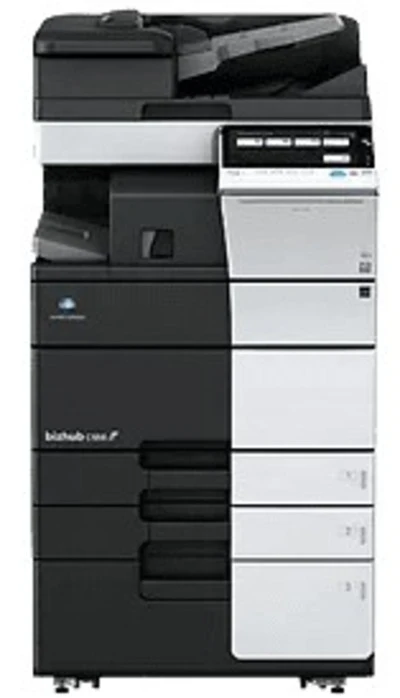

Every business relies on efficient document management, and having the right copier is a key part of that. But when it comes time to acquire a copier, you face an important decision: Copier Lease or Rental vs. Buy. Each option comes with its own set of advantages and trade-offs. Choosing the right one depends on your budget, usage needs, and long-term goals.
Let’s break down the differences and help you determine which solution is best for your business.
Understanding the Options
Before diving into the pros and cons, it's important to define what each option means:
- Buying a Copier involves paying upfront to own the equipment outright. You’re responsible for maintenance, repairs, and eventual replacement.
- Leasing a Copier means entering into a fixed-term agreement (typically 3–5 years) where you pay monthly for the right to use the machine, often with maintenance included.
- Renting a Copier is typically short-term (days, weeks, or months), offering flexibility for temporary needs like events, seasonal projects, or office relocations.
The choice between Copier Lease or Rental vs. Buy hinges on how long you need the equipment, your available capital, and how often you expect to upgrade your technology.
When Buying a Copier Makes Sense
Buying a copier can be cost-effective in the long run, particularly for businesses with stable, ongoing needs and a dedicated IT or facilities team to manage equipment.
Benefits of buying include:
- Total ownership: No monthly payments after purchase.
- Long-term savings: Lower total cost over the lifespan of the copier.
- Full control: You can modify or resell the equipment as needed.
However, drawbacks include:
- High upfront cost
- No automatic upgrades
- Responsibility for maintenance and repairs
If your company has predictable printing needs and the capital to invest, buying may be the right move.
Why Leasing a Copier Works for Many Businesses
Leasing is a popular option for businesses that want to stay up to date with technology without large capital expenditures.
Advantages of leasing:
- Low upfront cost: Just a monthly fee, making it budget-friendly.
- Access to the latest models: Many leases allow upgrades every few years.
- Maintenance often included: Reduces downtime and service hassles.
- Tax-deductible payments: Lease payments may qualify as business expenses.
On the other hand, leasing means you never own the equipment and may end up paying more over time. Still, in the Copier Lease or Rental vs. Buy discussion, leasing is a great balance of convenience, cost control, and access to current technology.
When to Consider Copier Rental
Copier rental is ideal for short-term or unpredictable printing needs. It's commonly used for events, trade shows, temporary offices, or during copier repairs.
Benefits of renting:
- Maximum flexibility: Rent for just a few days or weeks.
- Quick setup and removal: Perfect for urgent or temporary needs.
- No long-term commitment
While rental rates are higher per day than leasing or buying, they can save money when used strategically. In the Copier Lease or Rental vs. Buy conversation, rentals are the go-to choice for short-term and on-demand solutions.
How to Choose the Best Option
Ask yourself these questions to help decide:
- How long will you need the copier?
- Short-term: Rent. Long-term: Lease or buy.
- Do you have capital to invest upfront?
- Yes: Consider buying. No: Leasing or renting is better.
- How important is staying up to date with technology?
- High priority: Lease. Low priority: Buy.
- Do you want service and maintenance included?
- Choose lease or rental options with built-in support.
Conclusion
Choosing between Copier Lease or Rental vs. Buy comes down to your business’s unique needs. Buying offers long-term value, leasing provides balance and convenience, and renting delivers flexibility. By weighing your goals, budget, and operational needs, you can select the copier solution that keeps your business productive, efficient, and future-ready.



























Sign in to leave a comment.