
When it comes to demolition, whether you're planning to demolish a small structure or an entire building, one of the first things you'll need to understand is the cost. Hiring a demolition contractor can seem overwhelming. However, breaking down the cost factors will help you plan and budget accordingly. In this post, we'll explore the key factors impacting the cost of hiring a building demolition contractor in London and what you need to consider before starting your project.
1. Type of Demolition Required
The first thing to note is that not all demolition jobs are created equal. The method of demolition used will have a significant impact on the overall cost. There are generally two main types of demolition:
- Partial Demolition:
If you're only demolishing part of a building, such as removing an old wall or an extension, this will be less expensive than full-scale demolition. Partial demolition is often quicker and involves fewer resources.
- Complete Demolition:
Demolition of an entire structure, including the foundation, is more complex and expensive. It requires more extensive equipment, labor, and disposal.
The complexity and scale of the demolition will play a crucial role in determining the cost. For example, demolishing a single-story home will be far less expensive than tearing down a multi-story office building.
2. Size and Location of the Structure
Another significant cost factor is the size of the building or structure. Larger buildings require more labor, machinery, and demolition time, leading to higher costs. The type of materials used in the building (brick, steel, concrete, etc.) will also influence the overall cost.
The location of the building is another consideration. Urban areas with more complex logistics or restricted access may lead to higher costs for the building demolition contractor due to traffic concerns, the need for permits, or difficulties in bringing in demolition equipment. If the building is in a remote area, the cost of transporting the machinery to the site could increase.
Demolition contractors will provide their skilled labourers and equipment for the job. Labour costs can vary based on the demolition crew's experience, the project's duration, and local wage standards. A building demolition contractor often charges by the hour or per day, depending on the scope of the work.
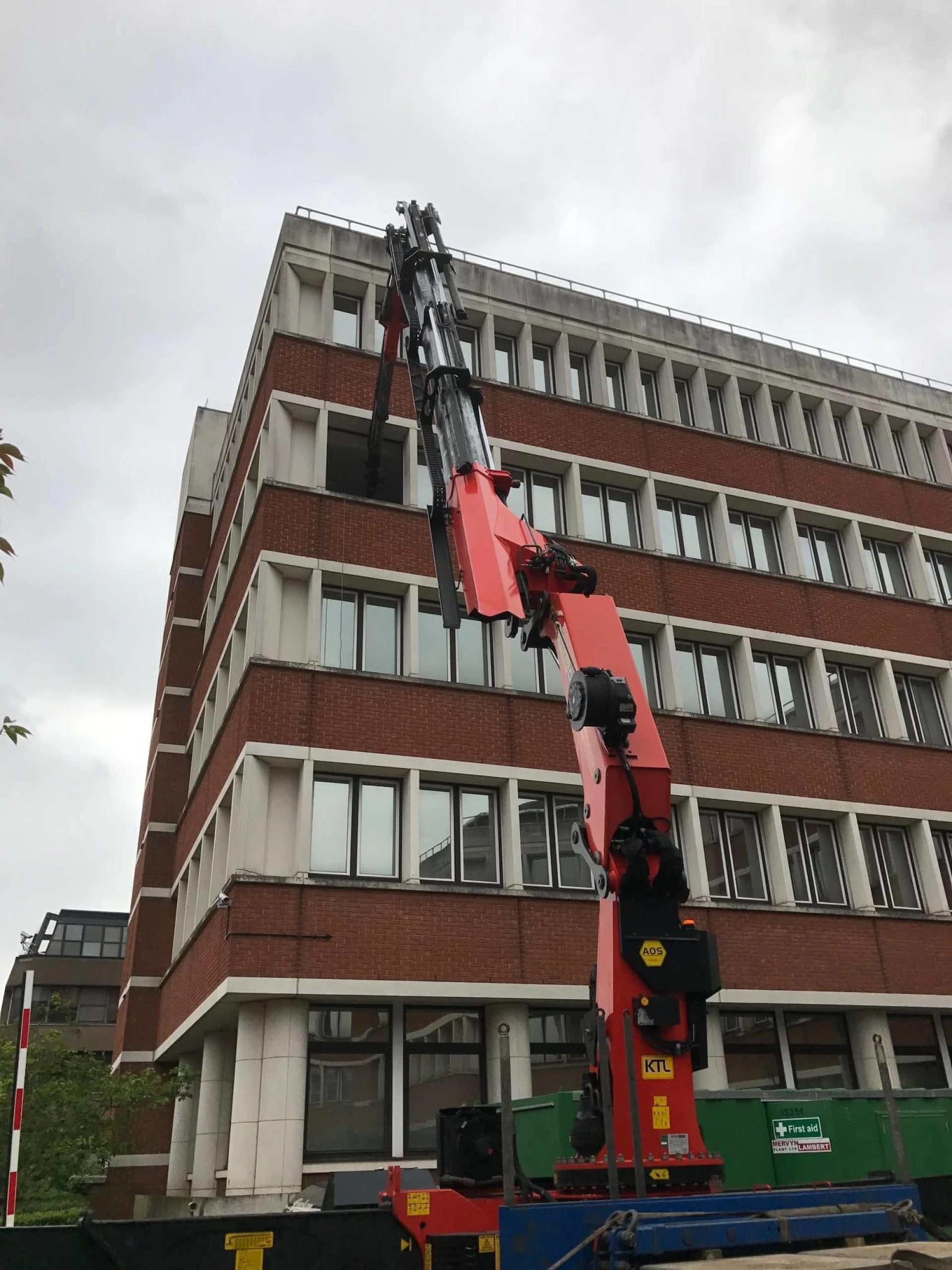
The machinery needed for the job—such as excavators, bulldozers, cranes, and wrecking balls—will also contribute to the cost. Some projects might require specialised asbestos abatement or a high-reach excavator for multi-story buildings. This factor can raise the price of demolition.
4. Permits and Legal Requirements
Before demolishing a structure, you'll need to obtain the necessary permits. The permit fees can vary widely depending on your local government regulations.
In most cities, you'll need to submit a detailed demolition plan and prove that the work will be done safely and in compliance with environmental standards.
Your building demolition contractor will often assist in navigating the permitting process, but the associated costs—such as application fees and environmental assessments—will be passed on to you. Additionally, extra permits and specialised labour will be required if your project involves hazardous materials like asbestos or lead, driving the total cost.
5. Disposal and Recycling Fees
After the demolition, remove the debris from the site. Disposal fees can be substantial, depending on the type and volume of material removed. For example, recycling materials like wood, metal, and concrete is less expensive than disposing of non-recyclable waste in landfills.
Many demolition contractors are committed to minimizing environmental impact. They often focus on recycling and reusing materials, which can help reduce disposal costs. However, recycling can also require additional labour, sorting, and processing, which might increase the overall project cost.
6. Hazardous Material Removal
If the building contains hazardous asbestos, lead paint, or mold, the cost of demolition can skyrocket. Removing these materials safely and following the appropriate disposal protocols requires special handling and licensed professionals.
Hazardous material removal adds considerable cost to the project, requiring a certified building demolition contractor, extra equipment, and potentially longer project timelines to ensure safety and legal compliance.
7. Timeframe and Scheduling
The timeline of your demolition project can also affect the cost. A building demolition contractor may charge more if the demolition needs to be completed on short notice or within a tight timeframe.
Additional fees for after-hours work may apply if the job requires working outside regular hours to avoid disrupting nearby businesses or residents.
On the other hand, scheduling the demolition during off-peak seasons when contractors are more available might result in more competitive pricing.
8. Insurance and Liability
Demolition is a high-risk job. Contractors bring specialised insurance to protect themselves, their workers, and your property. The cost of this insurance is considered part of the overall project cost.
Depending on the scope of the demolition, the contractor may also require extra insurance to cover unforeseen accidents or property damage.
Final Thoughts
The cost of hiring a building demolition contractor in London depends on many factors, from the size and complexity of the project to the type of materials involved. The cost can range from a few thousand dollars for small-scale demolitions to tens of thousands for larger projects. It's essential to get quotes from several contractors, ask for a breakdown of costs, and ensure that all potential fees—such as permits, disposal, and hazardous material removal—are included. By understanding the various cost factors and working closely with your contractor, you can better manage your demolition project and avoid unexpected expenses.



























Sign in to leave a comment.