

Paid ads have become one of the fastest ways for auto dealerships and repair shops to appear when local customers are actively searching for immediate help. Searches such as “brake repair near me,” “used SUV dealer nearby,” or “same-day oil change” usually come from people ready to make a decision, which is why paid search often becomes a major part of automotive lead generation.
The problem is that automotive clicks can be expensive. In local markets that are very competitive, just one mistaken keyword or one weak landing page can quickly spend a budget without a call or a booking. Very often, it’s not a problem with the platform, but how the auto repair PPC account is organized and handled over the years.
Understanding where campaigns often fail helps businesses avoid wasted spend and improve how paid traffic turns into actual service inquiries or showroom visits.
Common Mistakes in Automotive PPC Campaigns
#1 Mistake - Overly Broad Keyword Targeting
One of the most common mistakes in PPC campaigns is targeting keywords that are too broad.
Using words like “auto repair” or “car service” might seem like a good idea, but they often bring in people who aren't actually looking to book a job.
For example, someone typing in "car repair" might just want to know how to fix their car or find a part. These people might click your ad out of curiosity. They probably will not end up paying you for a service. As a result, businesses end up paying for clicks that rarely turn into customers, which quickly increases advertising costs without improving lead generation.
A stronger strategy is to focus on search phrases that show clear service intent. Terms like “brake pad replacement near me,” “check engine light diagnosis,” or “AC repair for cars” usually attract people who already know what problem they need solved. These searches may have lower volume, but they often produce stronger conversion rates because the user is much closer to booking a service.
#2 Mistake - Not Focusing on Local Targeting
Automotive services are highly location-based, and most people prefer to visit a shop that is close to their home or workplace. If PPC campaigns target areas that are too large, ads may appear to users who are far outside the service area.
For example, a repair shop located in one city may accidentally display ads to users several towns away. Even if those users click the ad, they are unlikely to travel long distances for routine services like tire replacement or brake inspections, which wastes advertising budget and reduces the number of qualified leads.
Location targeting allows advertisers to limit where their ads appear. When businesses look at the areas around them, like towns or neighborhoods, they can ensure the people who see their ads are the ones who might actually visit.
#3 Mistake - Forgetting to Use Negative Keywords
While most advertisers focus on choosing the right keywords, many overlook how important negative keywords are for controlling wasted traffic. Negative keywords help prevent ads from showing when people search for terms unlikely to result in a sale. Ads can appear for searches with little connection to actual services.
For example, searches like “DIY brake repair,” “free car repair manuals,” or “automotive training courses” can trigger ads if negative keywords are not used. This means paying for clicks from users who are simply researching information rather than looking for professional help.
#4 Mistake - Wrong Landing Page
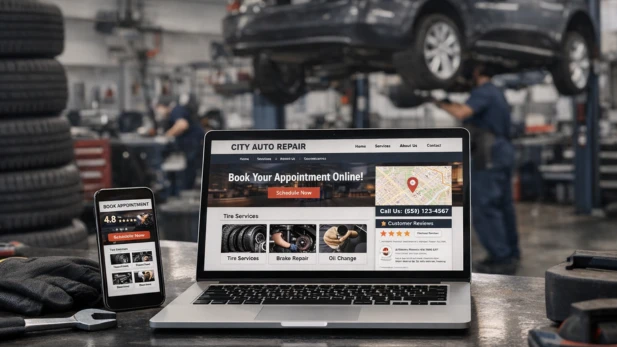
Another mistake in automotive advertising is directing all PPC traffic to a website’s homepage. While the homepage may contain general information about a business, it often does not address the specific service a user is searching for.
For example, if someone clicks on an ad for brake repair, they want to see information about brake repair services on the website. If you get to the website and it lists a lot of services but does not have information about brake repair, they will probably leave the website right away.
This disconnect between the ad and the landing page can lower conversion rates and reduce the effectiveness of advertising campaigns.
A better approach is to create dedicated pages for individual services. When a user clicks an ad for a particular service, the page should clearly explain that service and provide an easy way to take action.
Including elements such as service descriptions, customer reviews, photos of the shop, and simple booking options can help build trust and encourage visitors to contact the business.
#5 Mistake - Ignoring Mobile Users
A large share of automotive searches now happens on mobile devices, especially when drivers need quick help while away from home.
Someone dealing with a warning light, battery issue, or urgent tire problem usually searches from a phone and expects immediate answers. If the page loads slowly or important actions are difficult to find, many users leave within seconds.
Pages that work well on phones make it much easier for people to find what they need and get in touch fast. Simple tools like buttons you can click to call let customers reach your shop right away without having to hunt for a phone number.
#6 Mistake - Not Using Ad Extensions
Ad extensions often improve automotive PPC performance because they give users useful details before they even click. A customer in urgent need of driving services is likely to respond quickly to an advertisement that includes a direct phone number. Location details also help nearby customers judge how quickly they can reach the shop.
For repair shops, showing services such as battery replacement, tire checks, or brake inspection directly under the ad can also improve trust because users immediately understand what is offered. These additions often increase visibility and help ads stand out when several competitors appear together.
#7 Mistake - Not Tracking Real Conversions
Some companies look at their PPC campaigns and only see how many people click on their advertisements. More clicks mean more interest, but that doesn't mean they get results. For businesses like auto dealers and repair shops, the most valuable results are concrete customer-driving actions like phone calls, appointment requests, or bookings.
Without conversion tracking, it becomes difficult to identify which keywords and ads are generating these valuable actions. Businesses may continue investing in campaigns that bring traffic but not revenue.
Setting up proper tracking allows advertisers to understand which parts of their campaigns are working, which need improvement, and where to allocate advertising budgets.
#8 Mistake - Setting Campaigns and Forgetting Them
PPC campaigns should never be treated as set-and-forget. Search habits change, competitors adjust bids, and customer behaviors shift over time. Keywords lose efficiency, ad relevance drops, and costs can rise quietly if campaigns are left untouched.
Checking your ads often helps you find ways to do things better. Trying out new headlines, changing which words you target, and updating your web pages can help keep your business strong. Even small, consistent adjustments can lead to better outcomes and a more efficient use of advertising budgets.
Turning PPC Into a Reliable Source of Customers
When managed carefully, automotive PPC marketing becomes more than a source of website traffic. It helps repair shops and dealerships, which show up just when local demand is at its peak, be it when someone requires immediate service or when someone is actively checking vehicles.
The most successful campaigns are focused more on service intent, local search behaviors, and consistent performance shifts other than increased spending. In the long run, if common pitfalls are avoided, paid advertising becomes more predictable, more streamlined, and much more valuable as a sustained backend source of customer inquiries.






















Sign in to leave a comment.