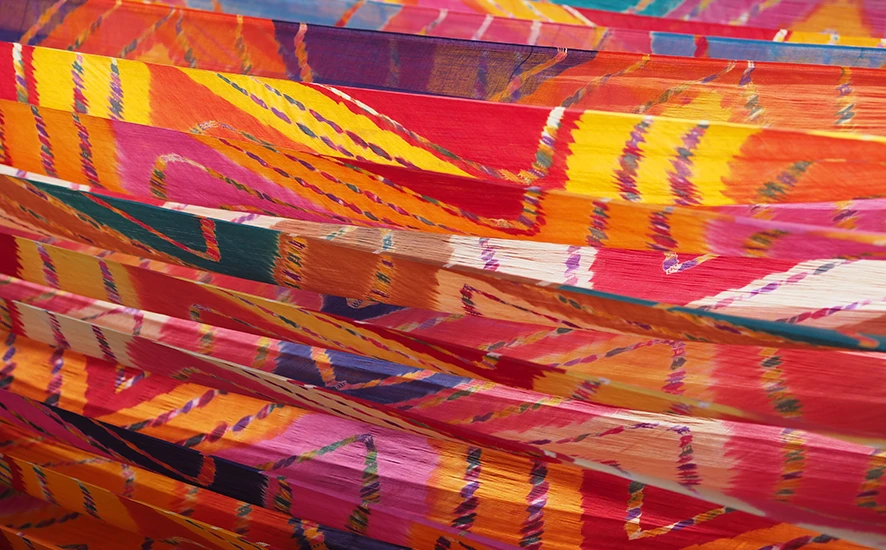

Cotton printing has become one of the most essential fabric finishing processes in Saudi Arabia’s growing textile, fashion, and uniform manufacturing sector. As brands across the Kingdom demand better designs, stronger durability, and faster production cycles, the importance of high-quality cotton printing has never been greater. Whether you produce garments, uniforms, home textiles, or promotional merchandise, understanding how cotton printing works—and what defines premium output—can significantly improve the final product.
Understanding the Importance of Cotton Printing
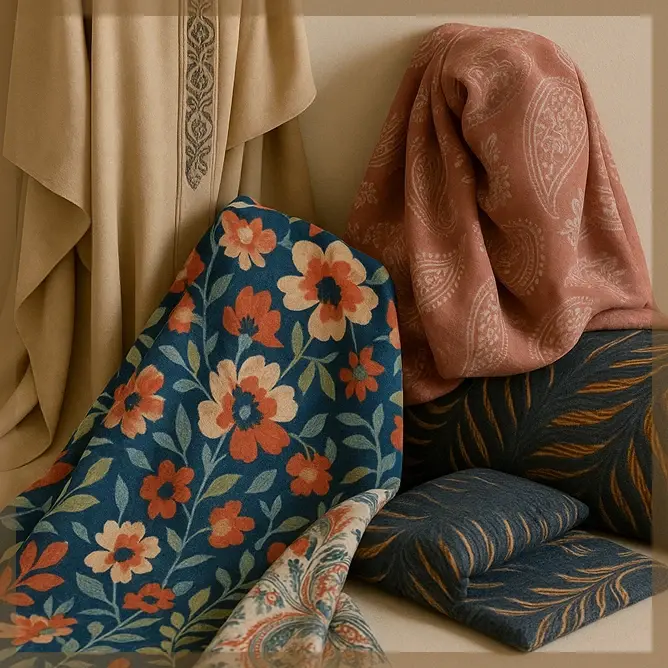
Cotton is naturally breathable, durable, and comfortable, making it the most widely used fabric in the region. But raw cotton does not carry the aesthetic or functional value required for modern retail and industrial applications. This is where professional cotton printing comes in. By applying advanced printing techniques, manufacturers transform plain cotton into visually appealing, ready-to-use fabric suitable for everything from fashion wear to corporate uniforms and hospitality textiles.
In Saudi Arabia, the demand for printed cotton has risen sharply due to the expansion of local apparel brands, digital printing services, and custom merchandise businesses. Companies now expect precise colors, long-lasting prints, and high-definition designs that withstand washing, heat, and daily wear.
Popular Cotton Printing Methods Used in Saudi Arabia
Manufacturers across the Kingdom rely on several established printing techniques, each offering unique advantages depending on the application, fabric quality, and production volume.
Screen Printing
Screen printing remains one of the most trusted methods due to its durability and bold color output. It is ideal for large-scale production such as corporate uniforms, sportswear, and workwear. The ink penetrates deeply into the cotton fibers, ensuring a long-lasting print even after repeated washes.
Digital Textile Printing
Digital cotton printing has rapidly gained popularity in Saudi Arabia, especially among fashion designers and custom merchandise brands. It allows for detailed, vibrant, photographic-quality designs without requiring screens or plates. Digital printing also offers faster turnaround times, making it perfect for small batches and on-demand production.
Heat Transfer Printing
Heat transfer printing uses high temperature and pressure to transfer designs onto cotton fabric. It works well for promotional items, personalized gifts, and limited-edition apparel. Although it may not be as durable as screen printing, it provides excellent detail and flexibility.
Sublimation on Cotton Blends
Sublimation is traditionally used for polyester, but cotton-blend fabrics treated with special coatings can also achieve high-quality sublimation results. This technique is popular for lightweight uniforms and athleisure wear that require vibrant colors and soft prints.
Key Factors That Define High-Quality Cotton Printing
Quality cotton printing is more than just placing a design on fabric. Several elements determine how the final product will look, feel, and perform over time.
High-resolution print output is essential for modern brands that prioritize detailed artwork, logos, and branding. Colors must remain consistent across batches, especially for corporate clients and uniform manufacturers. Proper pre-treatment and fabric preparation ensure the print bonds correctly with the cotton fibers, preventing issues such as fading, bleeding, or cracking.
Durability is another major factor. In industries like hospitality, construction, and retail, uniforms undergo heavy washing and daily wear. A premium cotton printing service ensures that designs remain sharp and intact even after long-term use. Softness also matters. The fabric should maintain its natural breathability and comfort without feeling overly stiff or coated.
Applications of Cotton Printing in Saudi Arabia
As the textile industry grows, cotton printing has become integral to various sectors. Fashion brands rely on it for seasonal collections, custom patterns, and branded merchandise. Uniform manufacturers use printed cotton for office wear, school uniforms, medical scrubs, and industrial clothing. The hospitality sector—hotels, restaurants, and resorts—uses printed cotton for linens, staff attire, and décor elements.
In addition, event planners and corporate firms increasingly depend on cotton printing for promotional items such as tote bags, T-shirts, giveaways, and exhibition materials.
How to Choose the Right Cotton Printing Supplier in Saudi Arabia
Selecting a reliable manufacturer is essential to achieving high-quality printed cotton. Look for companies that offer advanced printing technology, consistent color accuracy, and fabric inspection processes. A good supplier should provide design assistance, sample testing, and the ability to handle both small and large orders.
Experience within the Saudi market is also valuable. A local printing partner understands regional climate conditions, fabric behavior, and customer preferences, ensuring that the final product meets commercial expectations.
Timely delivery, competitive pricing, and strong communication are additional elements that differentiate top-tier cotton printing providers from average ones.
Conclusion
Cotton printing in Saudi Arabia continues to evolve as industries demand better quality, faster turnaround, and more creative design possibilities. Whether you operate in fashion, hospitality, or industrial manufacturing, choosing the right printing method and supplier directly impacts the durability, appearance, and performance of your textiles. For businesses seeking dependable results, partnering with a trusted cotton printing manufacturer in Saudi Arabia is the key to ensuring exceptional fabric finishing that stands out in the market.


























Sign in to leave a comment.