

Children do not always express their emotions through words. Sometimes, changes in behavior may be their way of communicating feelings they cannot explain. Frequent frustration, withdrawal, sudden mood changes, difficulty concentrating, or challenges with social interaction can often signal underlying emotional concerns.
Parents may notice these behaviors at home, school, or during everyday activities. Understanding the reason behind these responses is the first step toward helping children feel more supported and emotionally secure.
Why Emotional and Behavioral Changes Should Not Be Ignored
Behavior is often closely connected to a child’s emotional well-being. When children struggle to manage feelings such as anxiety, stress, fear, or frustration, their behavior may reflect those challenges.
A qualified Child Psychologist can help identify emotional triggers, understand behavioral patterns, and provide child-friendly strategies that support healthy emotional development. Early guidance often helps children develop stronger coping skills and improve confidence in daily situations.
Common Signs Parents May Notice
Some children may benefit from professional guidance if they:
- Experience frequent emotional outbursts
- Struggle with social interaction
- Show sudden changes in behavior
- Have difficulty expressing emotions
- Feel anxious in everyday situations
- Avoid school or group activities
Recognizing these signs early can help families provide timely support.
How Professional Guidance Supports Emotional Growth
Every child is unique, and emotional challenges can appear differently from one child to another. Personalized guidance focuses on understanding the child's strengths, emotional needs, and behavioral patterns.
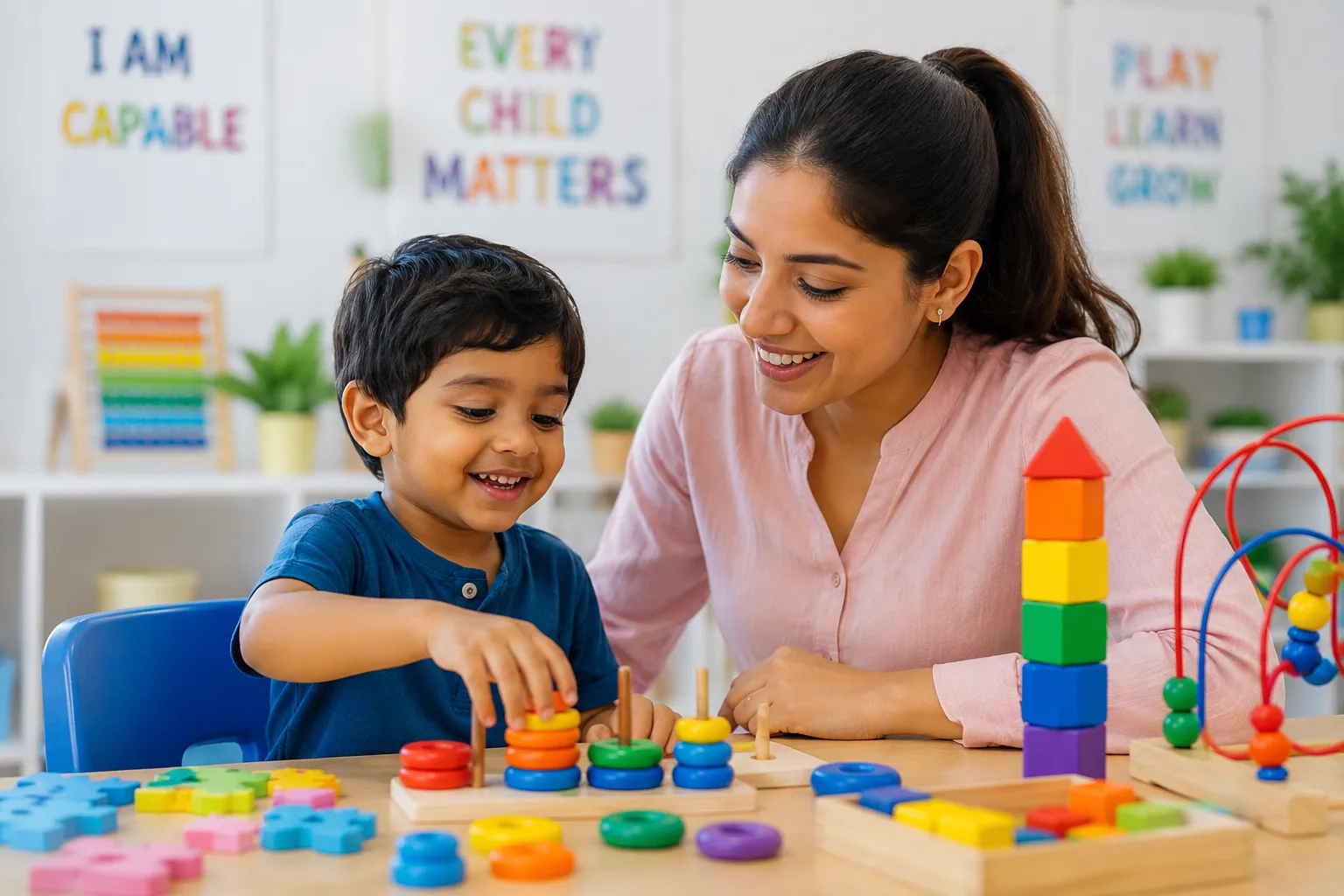
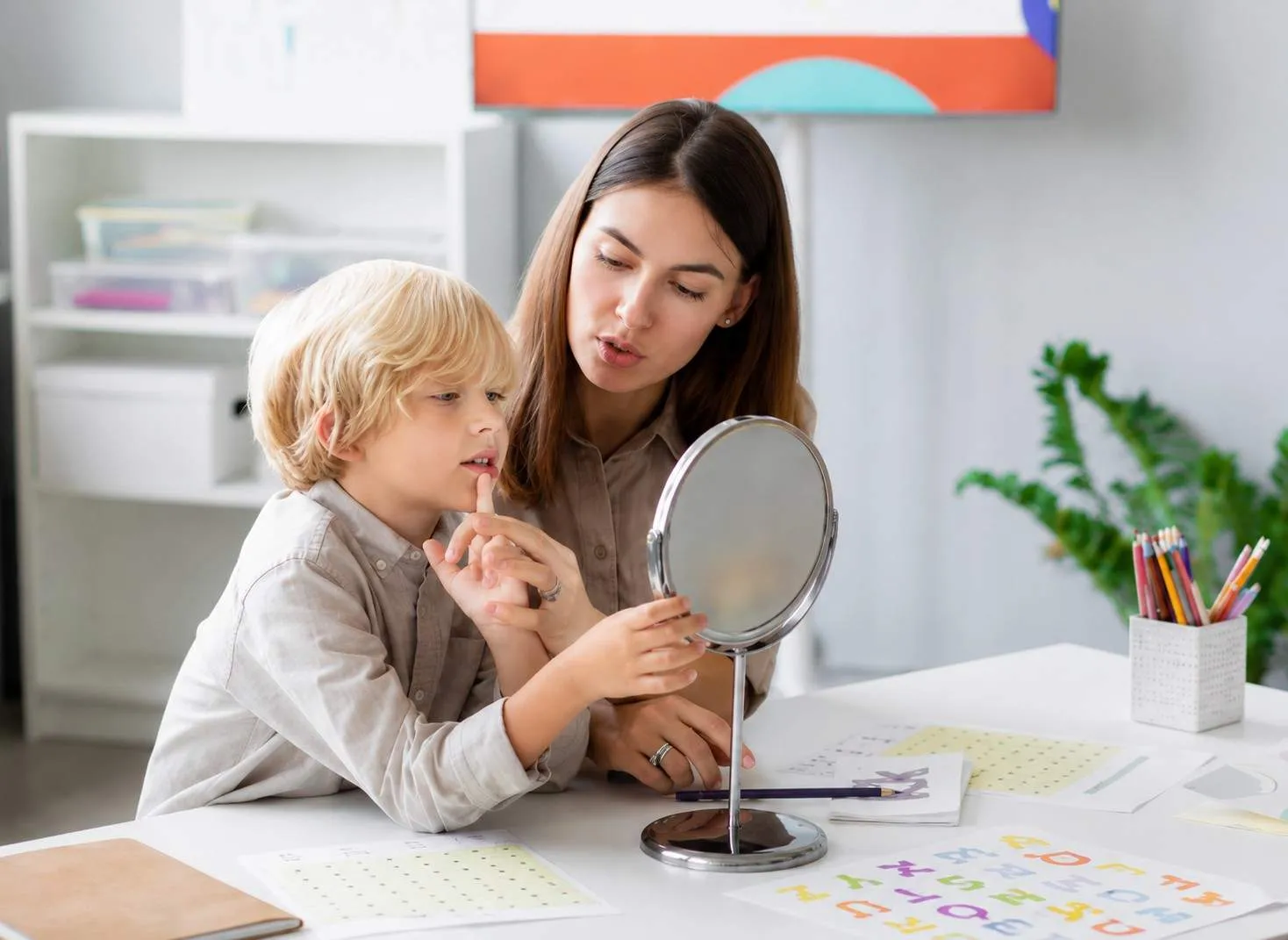
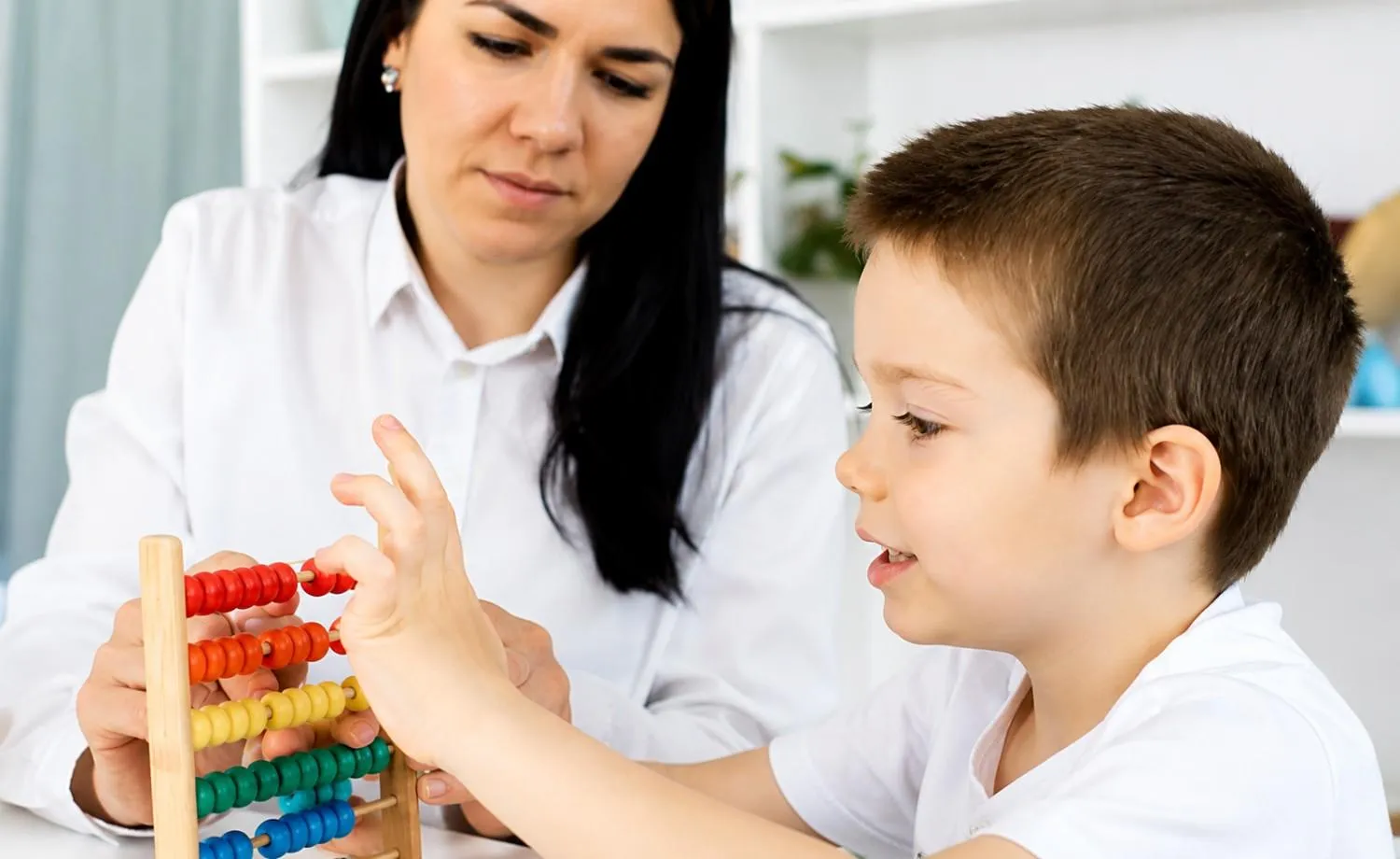
Working with an experienced Child Psychologist helps children learn healthy ways to express emotions, manage stress, build resilience, and develop stronger social and communication skills. These improvements often contribute to better participation at home, school, and in social environments.
The Importance of Early Emotional Support
Early intervention can make a meaningful difference in a child's emotional development. When children receive support during their formative years, they are often better equipped to handle challenges, build positive relationships, and develop confidence in their abilities.
Families in Jaipur, India are increasingly recognizing the importance of emotional well-being as a key part of healthy childhood development. Supportive guidance can help children feel understood, valued, and more comfortable navigating everyday situations.
Building Stronger Emotional Foundations
Children thrive when they feel emotionally safe and supported. Encouraging open communication, understanding behavioral cues, and seeking professional guidance when needed can create positive long-term outcomes.
Emotional confidence not only supports mental well-being but also contributes to stronger learning abilities, better social interaction, and healthier relationships throughout childhood.
Take the First Step Toward Positive Emotional Growth
If your child is showing emotional or behavioral changes that concern you, early support can make a lasting difference. Professional guidance can help children understand their emotions, develop confidence, and build skills that support lifelong well-being.
Conclusion
A child’s behavior often tells a story that words cannot fully express. By paying attention to emotional signals and providing the right support, parents can help children overcome challenges, strengthen resilience, and enjoy a happier, more confident future. For families in Jaipur, India, early emotional guidance can be an important step toward healthy growth and development.


























Sign in to leave a comment.