
When choosing between Craftsman and Makita batteries for demanding work, you need more than marketing claims. What matters is how long they last, how they perform under load, and how well they fit your tools. Both brands have earned trust among professionals and DIY users. But when it comes to heavy-duty tasks, one might serve you better depending on your tools and work habits.
This guide compares Craftsman batteries and Makita batteries in detail—covering power, runtime, compatibility, durability, and charging performance.
1. Battery Technology Overview
Both Craftsman and Makita rely on lithium-ion cells, known for high energy density and low maintenance. Unlike older NiCd batteries, these hold charge longer and deliver consistent performance.
The Craftsman 19.2 volt battery was once the brand’s main power source for its cordless tools. Today, most new tools use the V20 system, which offers improved runtime and compatibility across drills, saws, and yard tools.
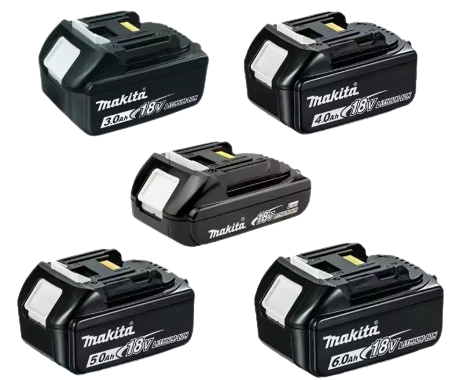
Makita, on the other hand, has refined its 18V LXT battery platform for years. The Makita 18V battery supports over 275 tools, from compact drills to high-torque grinders. It’s known for consistent output, smart protection circuits, and faster charging technology.
For users who already own tools from either ecosystem, compatibility plays a big role in deciding which brand’s batteries make more sense.
2. Power and Performance
When tackling heavy-duty work like drilling through hardwood, cutting metal, or framing, sustained output matters more than short bursts of energy.
Makita batteries excel in this area. Their 18V LXT batteries deliver stable voltage even under heavy load, preventing drop-offs during demanding use. Combined with Makita’s brushless motors, the battery system ensures efficient power transfer and longer life.
Craftsman batteries, especially the Craftsman 19.2 volt battery, perform well for general work but can struggle to match Makita’s endurance under extreme pressure. The V20 series has closed the gap, offering better thermal management and higher amp-hour (Ah) capacities. However, Makita still leads in sustained high-current output.
For users running multiple high-draw tools in a day, Makita tends to handle the strain better without overheating or draining quickly.
3. Runtime Comparison
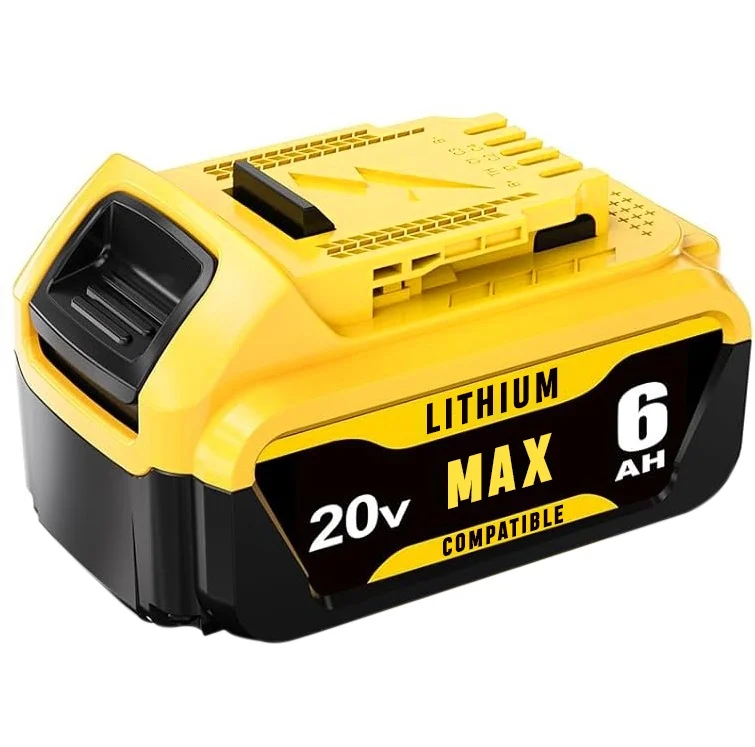
Runtime depends on both amp-hour capacity and tool efficiency. Craftsman’s V20 batteries are available in 2.0Ah, 4.0Ah, and 6.0Ah capacities. Makita’s LXT batteries range from 2.0Ah to 6.0Ah, with some extended options reaching 8.0Ah.
In practical terms:
- A Makita 18V 5.0Ah battery can power an impact driver for hours of continuous work before recharge.
- A Craftsman 20V 4.0Ah battery delivers solid runtime for medium-duty tasks like drilling or fastening.
For heavy-duty performance, the Makita 5.0Ah and 6.0Ah packs last longer and maintain voltage stability better. Craftsman performs reliably but may require an extra pack swap for long projects.
If you work in construction or carpentry where uptime is key, Makita’s runtime advantage pays off daily.
4. Charging Time and Battery Management
Makita invests heavily in charging speed and heat control. Its Rapid Optimum Charger uses built-in fans and smart communication between tool and charger to prevent overheating. This design lets you charge a depleted 5.0Ah battery in about 45 minutes.
Craftsman’s V20 charger takes about 60 minutes for a 4.0Ah pack. It’s slower, but for home users, the difference may not be critical.
Both brands include overcharge, over-discharge, and short-circuit protection. Makita’s STAR Protection Computer Controls add an extra layer by monitoring real-time conditions. Craftsman’s V20 Smart Battery technology performs a similar role but with less tool-to-battery communication.
If you value shorter breaks and faster turnaround, Makita’s charging system has a clear edge.
5. Durability and Build Quality
Heavy-duty users often work in dusty or rough environments. Here, battery durability matters as much as performance.
Makita’s 18V LXT batteries have rugged outer shells and shock-absorbing housings. The cells are individually monitored to prevent damage during vibration or falls. Users report consistent reliability even after years of daily use.
Craftsman’s newer V20 packs are solidly built and handle moderate wear well. The older Craftsman 19.2 volt batteries lacked modern protective casing, making them more prone to damage if dropped. However, V20’s design is much improved and can handle jobsite conditions.
For tough construction sites or outdoor work, Makita again proves more battle-tested.
6. Compatibility Across Tools
Makita’s advantage lies in its vast 18V ecosystem. The Makita 18V battery fits over 275 cordless tools, including drills, saws, blowers, and lighting products. Professionals benefit from owning multiple tools that share the same battery, reducing clutter and cost.
Craftsman offers good cross-compatibility across its V20 line. The Craftsman batteries work with drills, saws, sanders, and yard equipment. The ecosystem is expanding, but it remains smaller than Makita’s LXT line.
If you’re invested in a single brand’s system, sticking with that platform makes sense. For users starting from scratch, Makita’s wider compatibility provides more flexibility long term.
7. Heavy-Duty Use: Which One Wins?
For light to medium tasks, both brands perform well. But when pushed hard, Makita batteries consistently deliver higher power and longer life.
Here’s a breakdown of performance under stress:
- High-load applications: Makita maintains voltage better, leading to smoother operation for saws and impact wrenches.
- Extended runtime: Makita’s higher Ah options perform longer without sacrificing output.
- Thermal protection: Makita’s cooling design keeps batteries safer during back-to-back use.
- Durability: Makita housings withstand daily jobsite use with less wear.
Craftsman remains a great choice for home repair, light construction, or occasional use. Its V20 and 19.2V series deliver enough power for most tasks and cost less than Makita equivalents. For users who value affordability and availability, Craftsman batteries are practical and reliable.
For tradespeople, electricians, and contractors, Makita’s performance edge often outweighs the price difference.
8. Maintenance and Battery Care Tips
No matter which brand you choose, proper care extends battery life. Follow these steps for better long-term results:
- Store batteries in a cool, dry place. Avoid heat and humidity.
- Keep batteries partially charged during long storage. Around 40–60% charge helps prevent cell degradation.
- Use compatible chargers only. Mixing brands can damage internal circuits.
- Avoid deep discharges. Recharge before the battery dies completely.
- Clean contacts regularly. Dust and debris can interfere with connection quality.
Both Craftsman batteries and Makita batteries last longer when handled with care and stored properly between uses.
9. Cost and Availability
Makita’s batteries are priced higher, reflecting their industrial-grade performance. A genuine Makita 18V 5.0Ah battery typically costs between $90 and $130.
Craftsman V20 batteries are more affordable, usually ranging from $50 to $90 depending on capacity. The Craftsman 19.2 volt battery is still available online for older tools, often at lower prices.
For professionals who value uptime and durability, Makita’s higher price is justified. For homeowners or hobbyists, Craftsman offers better value without compromising quality.
10. Final Verdict
If your work involves heavy-duty drilling, cutting, or framing, Makita batteries are the better choice. Their 18V LXT series delivers longer runtime, faster charging, and stronger durability suited for professional use.
If you use tools for household tasks, repairs, or light construction, Craftsman batteries offer dependable performance at a reasonable cost. Their V20 system and older Craftsman 19.2 volt battery models still provide solid results for occasional use.
Your decision depends on how hard and how often you use your tools. For jobsite reliability, Makita leads. For affordability and convenience, Craftsman remains a trusted option.
FAQs
Q1: Are Craftsman batteries interchangeable with Makita tools?
No. Craftsman and Makita batteries use different voltages, shapes, and terminals. Always use the brand-specific battery and charger.
Q2: How long does a Makita 18V battery last?
With regular use, a Makita 18V battery can last 3 to 5 years. Lifespan depends on charge cycles, temperature, and usage habits.
Q3: Can I use an old Craftsman 19.2 volt battery with new V20 tools?
No. The V20 series is not compatible with 19.2V tools. Each uses a different design and connection type.
Q4: Which battery charges faster—Craftsman or Makita?
Makita batteries charge faster due to advanced cooling and smart communication with the charger. A 5.0Ah battery charges in about 45 minutes.























Sign in to leave a comment.