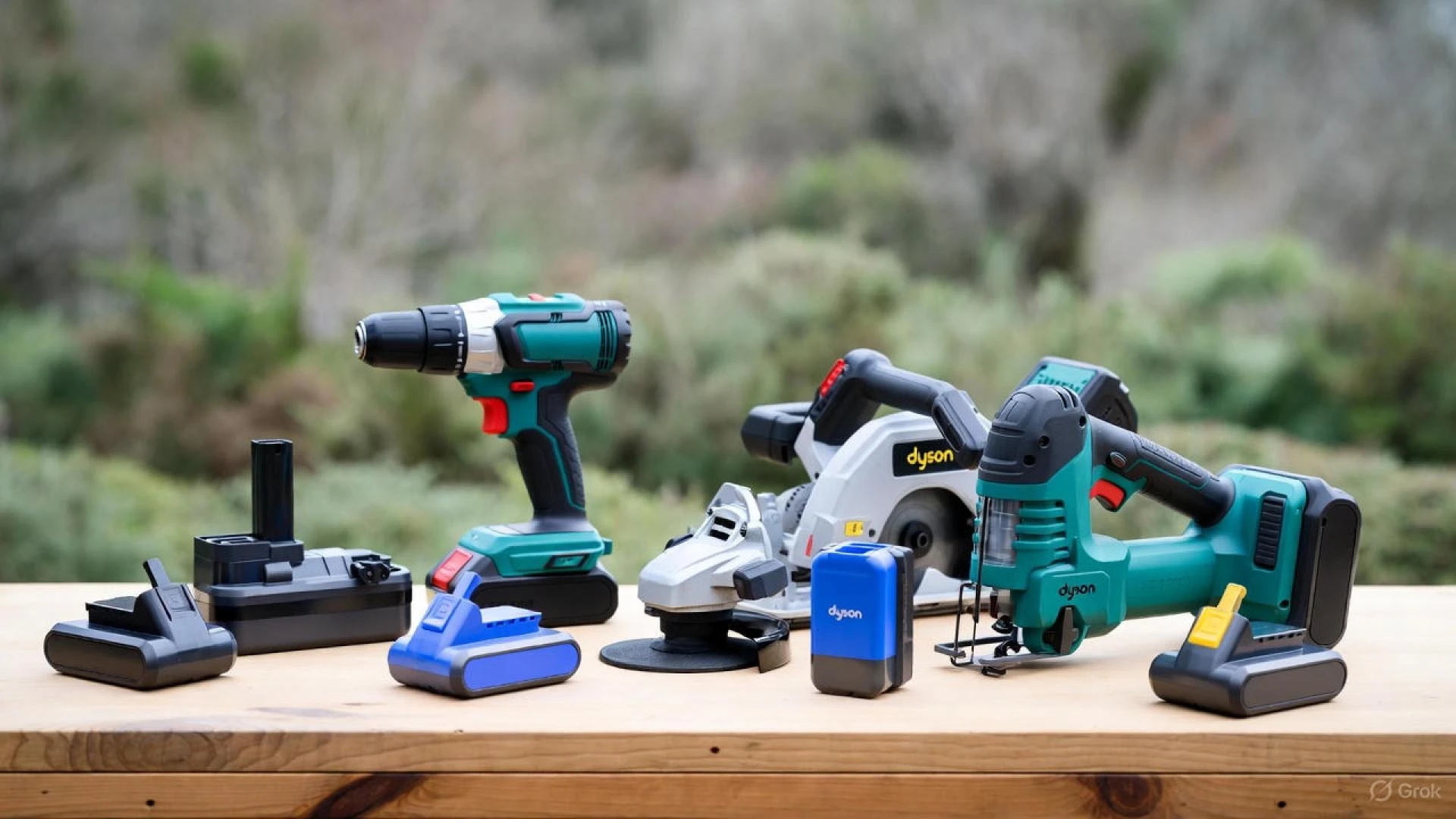

Batteries are the lifeblood of modern tools and appliances. For anyone who relies on power tools for home improvement, construction, or DIY projects, or who depends on a Dyson vacuum to keep their home clean, understanding the different types of batteries and their performance is essential. This review dives into the most popular power tool and Dyson vacuum batteries, exploring their features, runtime, and value, helping you make informed decisions.
Power Tool Batteries: An Overview
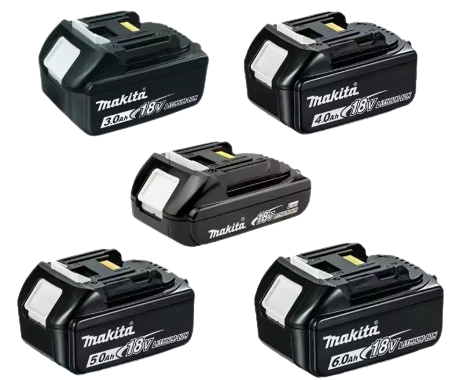
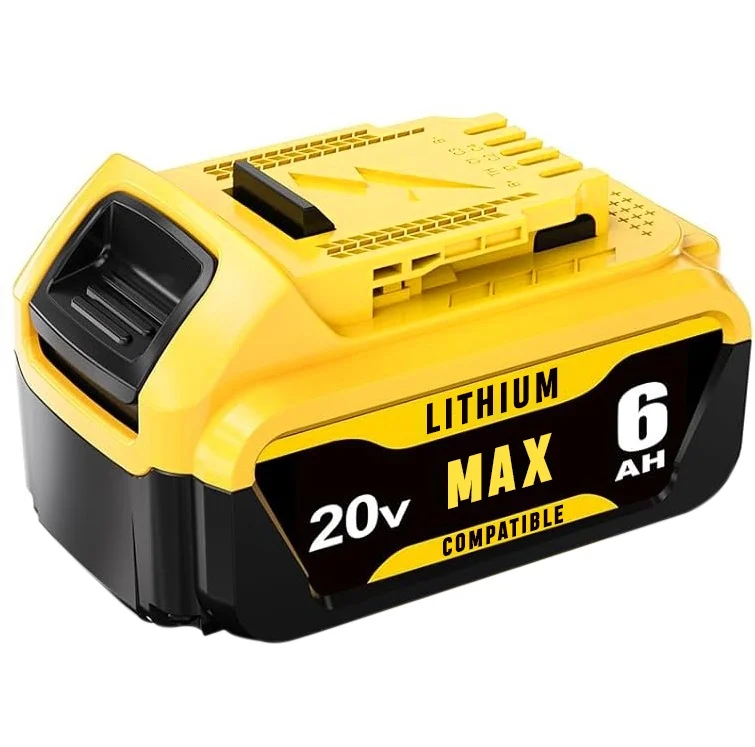
Power tool batteries have come a long way from bulky, heavy packs to sleek lithium-ion options. Lithium-ion batteries dominate the market because they offer longer runtime, faster charging, and lighter weight. The most common voltage ranges for household and professional tools include 18V, 19.2V, and 20V, while professional-grade tools may go higher.
Ryobi Batteries
Ryobi batteries are known for their versatility and affordability. Their ONE+ system allows the same battery to power multiple tools, including drills, saws, and blowers. For homeowners and DIY enthusiasts, this interchangeability reduces clutter and saves money. Ryobi batteries typically have lithium-ion technology, providing steady power throughout the charge. Users often note that higher amp-hour (Ah) models, such as 4.0Ah or 5.0Ah, extend runtime significantly, making them suitable for medium-duty projects around the house.
Craftsman Batteries
Craftsman batteries, particularly the 19.2V series, are a solid choice for home repair and light construction work. Craftsman 19.2 volt battery packs offer a balance of weight and runtime, giving tools enough energy to handle longer sessions without being cumbersome. These batteries integrate with a variety of Craftsman power tools, including drills, saws, and trimmers. Their reliability and build quality make them a favorite among DIYers and hobbyists who need consistent performance for everyday tasks.
Bosch Batteries
Bosch batteries are designed for precision and durability. The company offers a wide range of lithium-ion batteries that fit compact tools as well as heavy-duty devices. Bosch batteries are often praised for maintaining consistent voltage even under load, which translates to steadier performance in drills and drivers. Professionals who rely on long runtime and dependable power often prefer Bosch for its engineering quality and battery longevity.
Milwaukee Batteries
Milwaukee batteries, such as the M18 series, are built for high-performance and demanding applications. These batteries excel in both runtime and durability, handling heavy-duty tasks without significant drops in performance. For contractors and tradespeople, Milwaukee batteries are invaluable because they support a large ecosystem of tools, including impact drivers, drills, and saws. REDLITHIUM technology helps protect the battery from overcharging, overheating, and extreme conditions, making it a long-lasting investment for those who use their tools frequently.
Dyson Vacuum Batteries
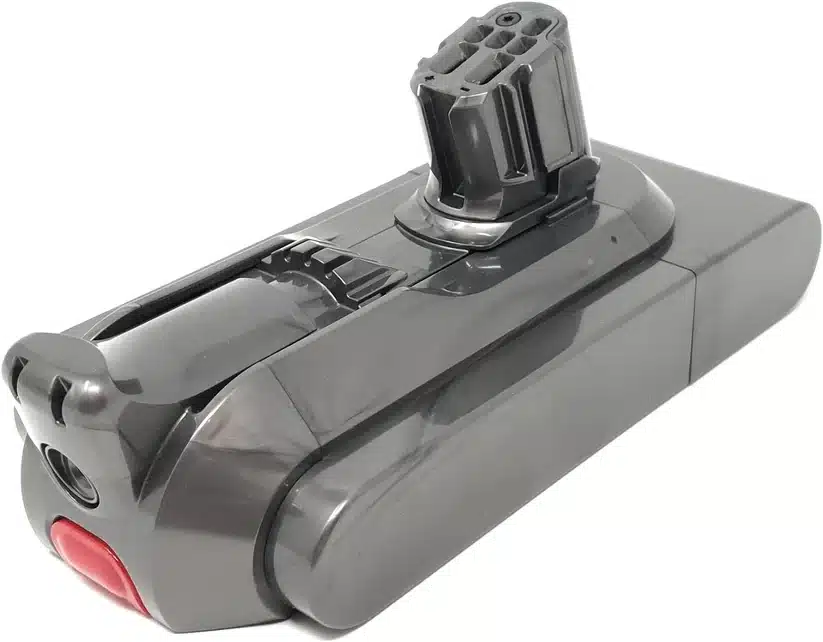
Vacuum technology has also advanced thanks to lithium-ion batteries. The Dyson v6 battery, for example, is a compact lithium-ion unit designed specifically for the V6 series cordless vacuum. These batteries offer reliable runtime and allow the vacuum to maintain strong suction even as the charge declines. Replacement Dyson vacuum batteries are available in various capacities to restore performance in older models. Users often find that a fresh battery not only improves runtime but also revitalizes the suction power, making cleaning faster and more efficient.
Performance Comparison
When comparing power tool batteries to Dyson vacuum batteries, one key difference is how the devices use power. Power tools often require short bursts of high power, while vacuum batteries provide sustained energy over longer periods. This makes capacity and chemistry slightly different in focus. High Ah power tool batteries, like Ryobi or Milwaukee options, prioritize quick energy delivery, while Dyson vacuum batteries prioritize consistent discharge for long cleaning sessions.
Battery Maintenance Tips
Proper care extends the life of any battery. Store batteries in a cool, dry place and avoid extreme heat or cold. Charge lithium-ion batteries before they drop to zero, and if possible, rotate usage with a spare battery to prevent long periods of inactivity. Cleaning battery contacts occasionally ensures optimal connectivity. For vacuum users, storing spare Dyson batteries separately and charging them periodically can prevent degradation and maintain peak performance.
Replacement Considerations
When it comes to replacements, genuine batteries are always a safe choice, though high-quality aftermarket options exist. For power tools, ensure compatibility by checking the voltage and series. For Dyson vacuums, selecting a battery that matches the exact model, such as the Dyson v6 battery, guarantees proper fit and performance. Carefully read specifications and purchase from trusted suppliers to avoid potential issues.
Conclusion
Understanding battery options is crucial for both power tool users and Dyson vacuum owners. Ryobi batteries provide versatility, Craftsman batteries deliver consistent household performance, Bosch batteries offer precision, and Milwaukee batteries excel in demanding environments. Meanwhile, Dyson vacuum batteries restore performance and ensure cleaning efficiency. By selecting the right battery and following proper care guidelines, you can extend the life of your tools, maintain peak performance, and reduce downtime.
FAQs
1. How do I know which replacement battery fits my Dyson vacuum?
Check the model number of your vacuum, usually on the body or near the dustbin. Match it with the replacement battery specifications to ensure proper voltage and fit.
2. Can I use Ryobi batteries in multiple tools?
Yes, Ryobi’s ONE+ system allows the same battery to work across a wide range of Ryobi power tools, saving time and money.
3. How long do Milwaukee M18 batteries last?
With proper care, a Milwaukee M18 battery can last 3–5 years or up to 1,000 charge cycles, depending on usage and storage conditions.
4. Should I rotate my spare Dyson battery?
Yes, alternating between primary and spare Dyson batteries helps prevent long periods of inactivity and maintains maximum runtime and lifespan.
5. How do I extend the lifespan of my Craftsman or Ryobi batteries?
To maximize lifespan, store batteries in a cool, dry place, avoid letting them fully drain, and use them regularly. For spare batteries, keep them partially charged (around 50–70%) and rotate them with active ones to prevent capacity loss.
6. Are aftermarket Dyson vacuum batteries safe to use?
High-quality aftermarket Dyson vacuum batteries can work safely, but always check compatibility, voltage, and reviews. Choosing batteries from trusted suppliers ensures consistent suction, proper fit, and reduced risk of leakage or overheating.
7. Why does my power tool battery lose charge faster over time?
Battery degradation is natural. Frequent deep discharges, high temperatures, and prolonged inactivity reduce runtime. Regular maintenance, proper storage, and alternating with a spare battery can slow performance loss and keep tools reliable.






















Sign in to leave a comment.