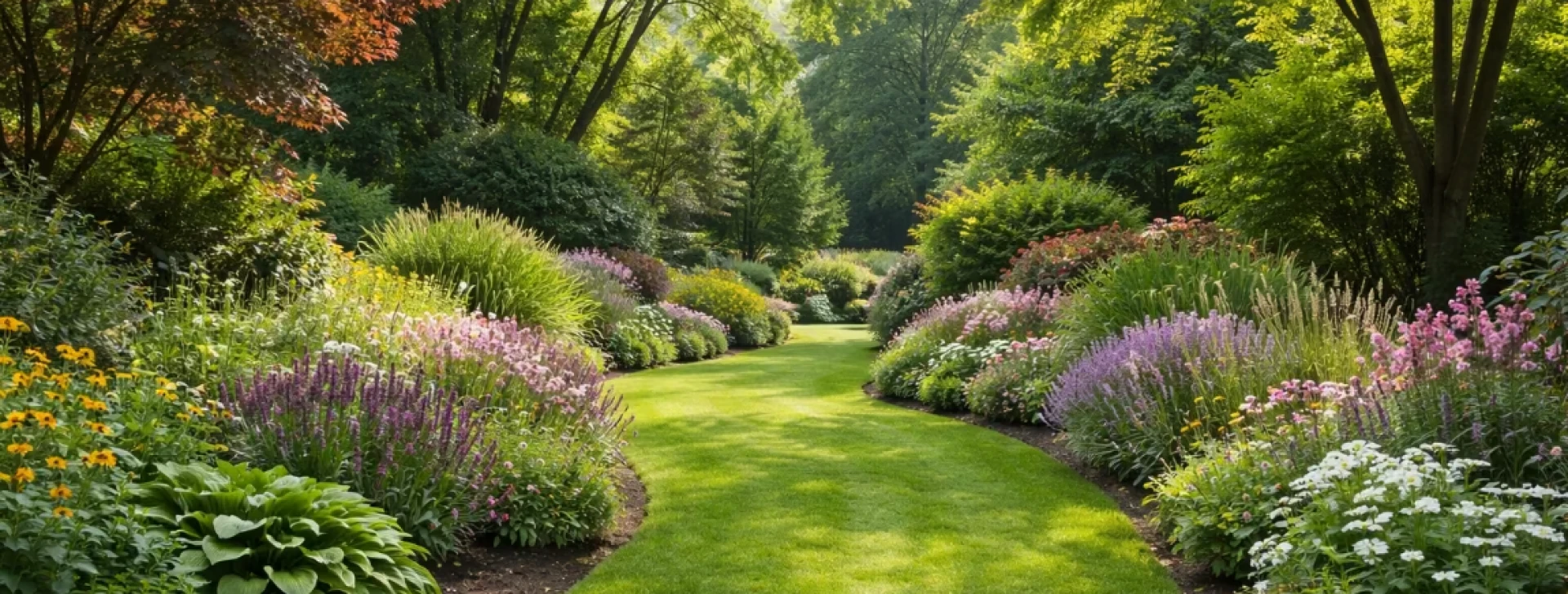

If you covet a landscape that will always stay young, calm and natural in all seasons, then the woodland garden plan is ideal for you.
Forget fussy lawns and exotic plants: native vines, mosses, ferns and flowering trees form a self-sustaining ecosystem that only grows more beautiful - not to mention easier to maintain - with passing years.
The plants below are a team - groundcovers cover the soil which protects it; ferns break up shade, and native trees provide structure, wildlife fruit and seasonal color.
Let’s build the garden, from the ground up.
1. Natural Groundcover Layer (Moss & Forest Floor Plants)
A true forest never wants naked soil.
Mosses and creeping forest plants prevent erosion, retain moisture and instantly make a garden look mature.
Cushion Moss
Soft, rounded mounds create a plush green carpet between stones, pathways and tree bases.
Ideal for shaded areas where grass refuses to grow.
Carpet Moss
Forms a tight, spreading mat - perfect for large shaded spaces, slopes and shaded lawns you want to replace naturally.
Sheet Moss
Creates a smooth forest-floor appearance.
Best choice for:
- around stepping stones under trees
- Japanese-style gardens
Running Cedar
An evergreen creeping plant that adds texture and year-round greenery to woodland beds.
It thrives in cool, shaded soil and blends beautifully with moss.
Fan Clubmoss
A prehistoric-looking groundcover with fan-shaped foliage that adds depth and contrast among moss beds.
Design Tip:
Combine cushion moss (height) + sheet moss (flat coverage) + clubmoss (texture) to make the ground look natural rather than planted.

2. Shade Garden Layer (Ferns & Native Understory)
After the ground layer, woodland gardens need soft vertical foliage.
This is where ferns shine - they brighten dark areas and move beautifully in the breeze.
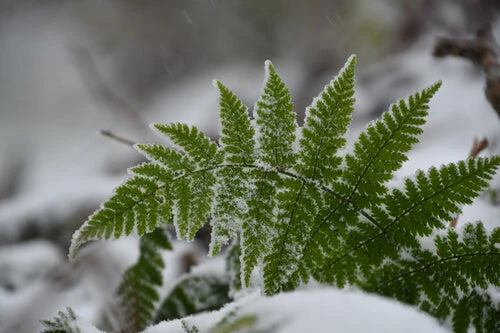
Shade Ferns
Perfect for under trees, north-facing walls and low-light gardens.
They cool the landscape visually and require almost no maintenance once established.
Ferns also:
- retain soil moisture
- prevent weeds naturally
- make small yards look larger

3. Climbing & Covering Layer (Vertical Interest)
To make a garden feel lush quickly, you need a plant that climbs and fills empty space.
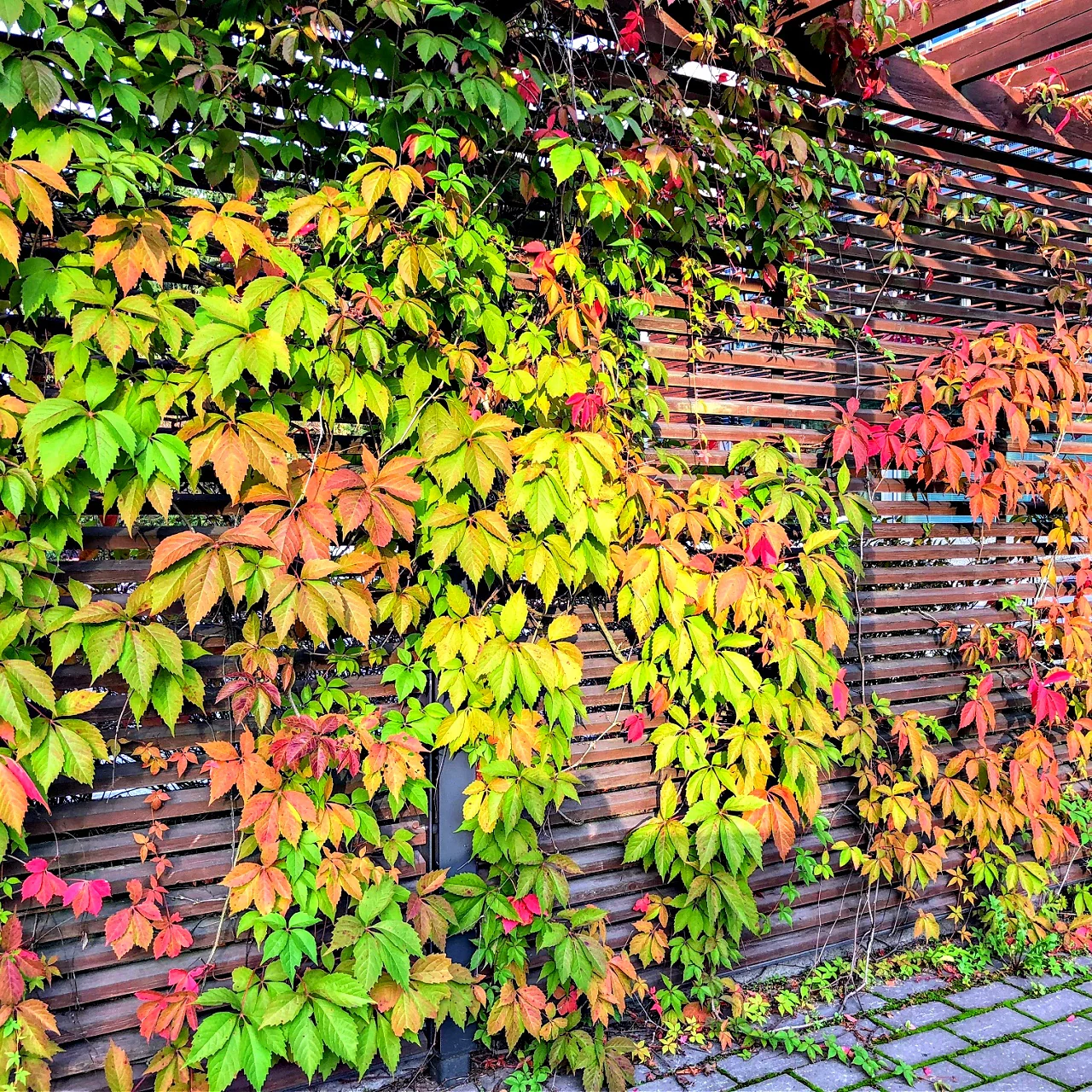
Virginia Creeper
A fast-growing native vine that covers fences, trellises and walls with green foliage that turns brilliant red in autumn.
It also produces berries that support birds and wildlife.
Best uses:
- privacy screening
- hiding old structures
- erosion control on slopes
4. Canopy Layer (Flowering & Shade Trees)
Now we add height — the most important part of a natural landscape.
These native trees provide seasonal beauty and habitat.
Tulip Tree
A tall shade tree with distinctive tulip-shaped flowers and large leaves.
Great for creating cooling shade over time and anchoring large yards.
Sweetbay Magnolia
An elegant semi-evergreen tree with fragrant white blooms.
Works beautifully near patios and seating areas where the scent can be enjoyed.
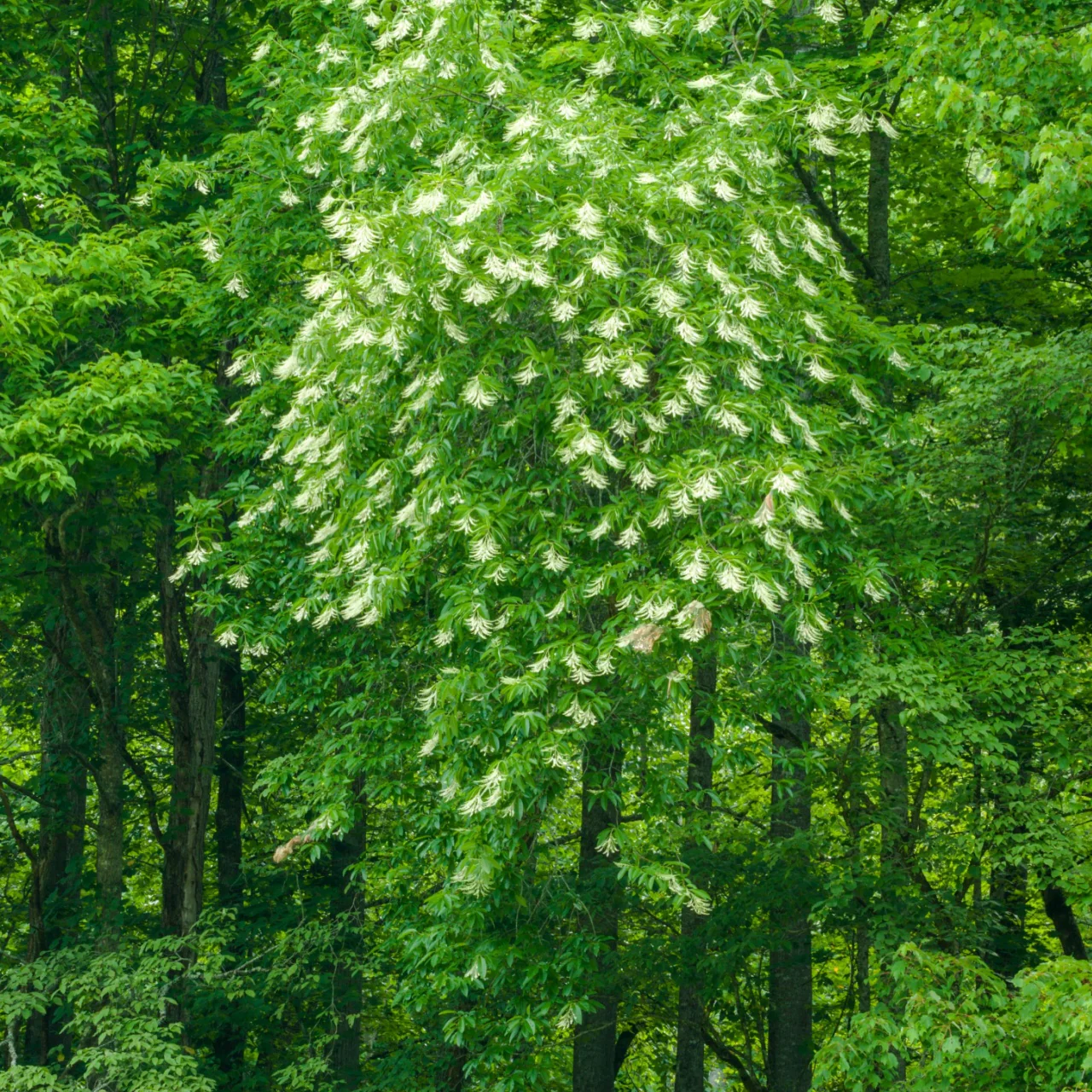
Sourwood Tree
A favourite among pollinators and gardeners alike.
It offers:
- summer flowers
- brilliant fall colour
- graceful branching structure
Benefits of a Native Woodland Landscape
Lower Maintenance
- No constant mowing
- Less fertiliser needed
- Natural weed suppression
Better for Wildlife
- Birds feed on berries
- Pollinators use flowers
- Soil organisms thrive
Year-Round Beauty
- Spring blooms
- Summer greenery
- Autumn colour
- Winter texture
Final Thoughts
A beautiful landscape doesn’t need to look manufactured.
By layering moss, ferns, vines and native trees, you recreate nature instead of fighting it.
Start from the ground up:
- Cover soil with moss
- Add shade plants
- Introduce climbers
- Plant long-living trees
Within a few seasons, your garden won’t just look planted - it will look established.























Sign in to leave a comment.