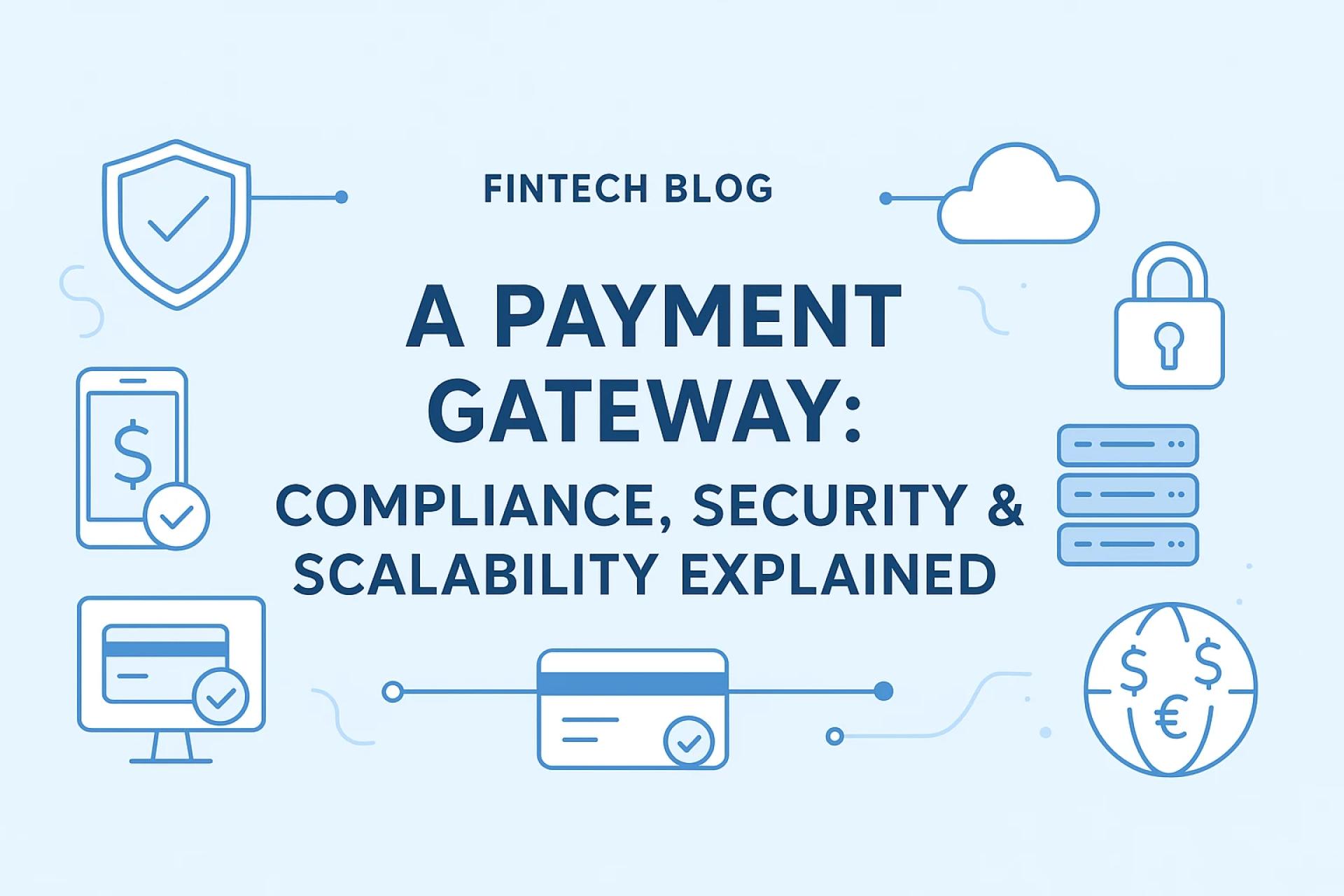

In today’s digital-first economy, payment processing is more than a convenience—it’s the backbone of every eCommerce store, fintech product, SaaS platform, and subscription business. Whether you’re a startup or an enterprise, your ability to accept payments seamlessly can define customer satisfaction and directly impact revenue growth.
While many businesses rely on third-party processors like Stripe, PayPal, or Square, the limitations of these platforms often become roadblocks as you scale. High transaction fees, lack of customization, and restricted global coverage leave many businesses searching for an alternative. The solution? Create a payment gateway tailored to your unique compliance, security, and scalability needs.
This blog breaks down exactly what it takes to build one—and why it could be the smartest investment your business makes.
Why Build Instead of Buy?
If you’re wondering whether to continue with off-the-shelf providers or build your own, consider these advantages of choosing to create a payment gateway:
- Cost Control: Reduce reliance on third-party processors and save on transaction fees in the long run.
- Customization: Design checkout flows, loyalty integrations, and recurring billing models that match your business strategy.
- Data Ownership: Access detailed customer and transaction insights for smarter decision-making.
- Global Reach: Offer multi-currency and cross-border transactions without platform restrictions.
- Competitive Edge: Position your brand as secure, reliable, and customer-first.
For fast-scaling businesses, building a gateway is not just a technical choice—it’s a strategic move.
Compliance: The Foundation of a Trusted Gateway
When you create a payment gateway, regulatory compliance is not optional. Financial institutions and global regulators require strict adherence to standards that protect customer data and maintain trust.
Must-Have Compliance Standards:
- PCI DSS (Payment Card Industry Data Security Standard) – Enforces secure handling of cardholder data.
- PSD2 & Strong Customer Authentication (SCA) – Required for businesses operating in the EU.
- KYC (Know Your Customer) & AML (Anti-Money Laundering) – Essential for verifying customer identity and preventing fraud.
- GDPR / CCPA – Governs how customer data is collected, stored, and shared.
Building compliance into your gateway from day one saves you from legal risks, heavy fines, and reputational damage.
Security: Safeguarding Every Transaction
Customers will only trust your platform if their money and data are safe. Security is the heartbeat of a payment gateway, and cutting corners here is never an option.
Security Features You Must Implement:
- End-to-End Encryption to protect sensitive payment data during transmission.
- Tokenization to replace card details with secure tokens.
- Fraud Detection Systems powered by AI and machine learning to flag suspicious activity.
- 3D Secure 2.0 for multi-layered authentication.
- Real-Time Monitoring to detect anomalies and stop fraudulent transactions instantly.
A secure payment gateway builds customer trust, reduces chargebacks, and strengthens brand credibility.
Scalability: Preparing for Tomorrow’s Growth
Today’s customers expect fast, frictionless payments—whether they’re shopping on mobile, desktop, or in-app. That means scalability isn’t optional; it’s essential.
When you create a payment gateway, you must design it to handle:
- High Transaction Volumes without downtime.
- Multi-Currency Support for global customers.
- Cross-Platform Compatibility for web, mobile, and IoT payments.
- API-First Integrations that allow merchants and partners to plug into your system easily.
By focusing on scalability, your gateway won’t just solve today’s challenges—it will grow alongside your business.
The Cost Factor
Building your own solution is an investment. Costs typically include:
- Development: Software architecture, APIs, mobile SDKs, and testing.
- Infrastructure: Servers, databases, and cloud hosting.
- Compliance & Licensing: PCI DSS certification, banking partnerships, and legal approvals.
- Ongoing Maintenance: Security updates, bug fixes, and feature enhancements.
While upfront costs are higher than using third-party services, the long-term ROI is unmatched. Lower fees, higher control, and stronger branding pay off over time.
Steps to Create a Payment Gateway
- Define Your Business Requirements (currencies, payment types, markets).
- Choose the Right Tech Stack (scalable and secure architecture).
- Partner with Banks & Payment Processors to facilitate settlements.
- Implement Compliance Standards early in development.
- Develop Security Features like encryption, tokenization, and fraud detection.
- Test at Scale to ensure performance under peak loads.
- Launch with Merchant Integrations and start onboarding businesses.
Why Partner with Experts in Payment Gateway Development Services?
Building a secure and scalable solution in-house can be complex, requiring expertise in compliance, security frameworks, and high-performance infrastructure. This is where professional payment gateway development services come in. By working with experienced developers and fintech specialists, businesses can accelerate time-to-market, ensure compliance with global standards like PCI DSS, and integrate advanced features such as tokenization, AI-driven fraud detection, and multi-currency support. Outsourcing to trusted experts reduces risks, lowers long-term costs, and allows your team to focus on growth while ensuring your payment gateway is reliable, secure, and future-ready.
Final Thoughts
The decision to create a payment gateway is a strategic investment for businesses serious about growth, security, and customer trust. By prioritizing compliance, embedding advanced security, and ensuring scalability, you not only protect your business but also open new revenue opportunities.
In a world where seamless payments define customer loyalty, owning your gateway means owning your future.
























Sign in to leave a comment.