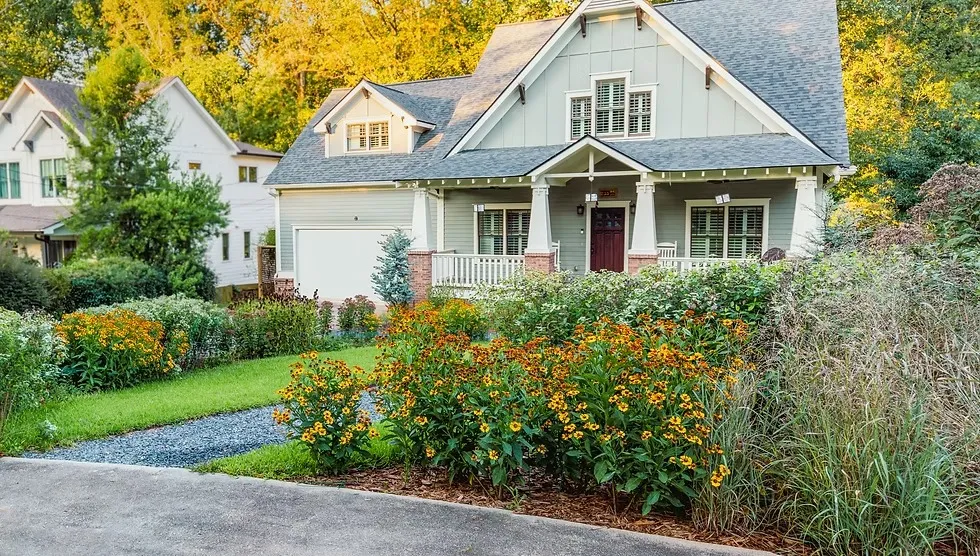

A well-designed garden is more than a collection of attractive plants placed throughout an outdoor area. It is a carefully planned environment where beauty, purpose, and nature work together. Modern landscape design focuses on creating outdoor spaces that not only look inviting but also provide meaningful benefits for homeowners, plants, and local ecosystems. Beautyberry Gardens specializes in developing landscapes that balance creativity with environmental responsibility, helping transform ordinary outdoor areas into thriving spaces that feel natural, welcoming, and sustainable.
The concept of beautiful functional habitats reflects the idea that gardens can serve multiple purposes at the same time. A thoughtfully designed landscape can enhance curb appeal, create relaxing areas for homeowners, support pollinators, encourage wildlife, and improve the overall health of the surrounding environment. By combining horticultural knowledge with artistic planning, outdoor spaces can become living ecosystems that continue to grow and evolve over time.
Understanding the Connection Between Beauty and Function in Outdoor Spaces
A successful garden design begins with understanding how beauty and functionality can exist together. While visual appeal is an important part of any landscape, a truly effective garden also considers how the space will be used and how it will interact with nature. Elements such as plant placement, pathways, seating areas, shade coverage, and seasonal interest all contribute to creating a balanced outdoor environment.
Beautiful landscapes are not created by simply adding more plants or decorative features. They require thoughtful planning that considers soil conditions, sunlight exposure, climate, and the natural characteristics of the property. When these factors are carefully evaluated, gardens become easier to maintain and more resilient throughout changing seasons.
Outdoor spaces should reflect the needs of the people who use them while also supporting the natural world. A family garden may include open areas for recreation, while another landscape may focus on peaceful areas for relaxation or spaces designed to attract birds and butterflies. By understanding each client’s goals, landscape designers can create personalized environments that feel both practical and inspiring.
Beautyberry Gardens approaches landscape design with the belief that every outdoor space has the potential to become a healthy habitat. Through strategic planning and careful plant selection, gardens can provide lasting value while blending naturally with the surrounding environment.
The Role of Native Plants in Sustainable Garden Habitats
Native plants play a vital role in creating sustainable and environmentally friendly landscapes. These plants have naturally adapted to local conditions, making them better suited to regional climates, soil types, and wildlife needs. Incorporating native species into garden designs helps create stronger ecosystems while reducing the resources required for long-term care.
One of the greatest advantages of native plants is their ability to support local biodiversity. Many native flowers, shrubs, and trees provide food and shelter for pollinators, birds, and beneficial insects. A garden designed with these plants becomes more than a decorative feature; it becomes a valuable part of the local environment.
Native plant selections can also help reduce maintenance requirements. Because these plants are adapted to their surroundings, they often require less water, fewer chemical treatments, and less intervention compared to plants that are not suited to the area. This creates a healthier landscape that can thrive naturally while saving homeowners time and resources.
Beautyberry Gardens uses expert horticultural knowledge to select plants that contribute to both the appearance and ecological value of each project. With careful consideration of plant relationships, seasonal changes, and environmental conditions, gardens can remain attractive throughout the year while providing essential support for nature.
A landscape filled with carefully chosen native plants demonstrates how beautiful functional habitats can be achieved through responsible design. Instead of creating spaces that require constant adjustments, sustainable gardens work with natural systems to encourage healthier growth and greater stability.
Designing Outdoor Spaces That Thrive Naturally
Creating a landscape that thrives naturally requires more than selecting beautiful plants. Professional garden design involves understanding how different elements work together to create a balanced environment. From the arrangement of planting areas to the placement of structural features, every detail contributes to the success of the final space.
Thoughtful landscape strategies focus on creating conditions where plants can grow successfully. Proper plant grouping, soil improvement, water management, and seasonal planning all help establish gardens that remain healthy over time. When landscapes are designed according to natural patterns, they become more sustainable and easier to maintain.
A professionally planned garden can also improve the way homeowners experience their outdoor spaces. A carefully designed pathway can guide visitors through different garden areas, while strategically placed plants can create privacy, shade, or visual interest. These details transform outdoor areas into extensions of the home where people can relax, connect with nature, and enjoy the changing beauty of each season.
Sustainable landscape design also considers the long-term relationship between plants and their environment. Instead of creating temporary displays, designers focus on building gardens that mature gracefully and continue providing benefits year after year. This approach allows outdoor spaces to become stronger and more valuable as they develop.
Beautyberry Gardens combines creative design with responsible gardening practices to create landscapes that support both people and the environment. Each project is carefully developed to reflect the unique characteristics of the property while encouraging natural growth and ecological balance.
Creating Lasting Value Through Nature-Friendly Landscapes
A thoughtfully designed garden offers benefits that extend beyond appearance. Well-planned landscapes can increase property appeal, create comfortable outdoor living areas, and contribute to healthier surroundings. By focusing on sustainable practices, homeowners can enjoy beautiful gardens that require fewer resources and provide greater environmental value.
The process begins with understanding the land itself. Every property has unique conditions, including existing vegetation, soil quality, sunlight patterns, and natural features. By working with these characteristics instead of against them, landscape designers can create spaces that feel authentic and connected to their surroundings.
A successful garden should continue improving over time. Plants grow, seasons change, and wildlife interactions develop naturally. This ongoing transformation is one of the most rewarding aspects of creating a sustainable landscape. A carefully designed garden becomes a living space that changes while maintaining its purpose and beauty.
Beautyberry Gardens focuses on creating outdoor environments where nature and design exist together. Through customized planning, native plant selection, and environmentally responsible methods, each landscape is built to support long-term health and enjoyment.
Conclusion
Thoughtful garden design has the power to transform outdoor spaces into meaningful environments that benefit both homeowners and nature. By combining artistic vision with sustainable practices, landscapes can become more than attractive areas; they can become thriving ecosystems that support wildlife, encourage biodiversity, and provide lasting enjoyment.
Creating beautiful functional habitats requires careful planning, expert plant knowledge, and an understanding of how natural systems work. With the right approach, gardens can flourish naturally while offering beauty, comfort, and environmental benefits for years to come. Through sustainable landscape design and responsible horticulture, outdoor spaces can become places where people and nature connect in harmony.























Sign in to leave a comment.