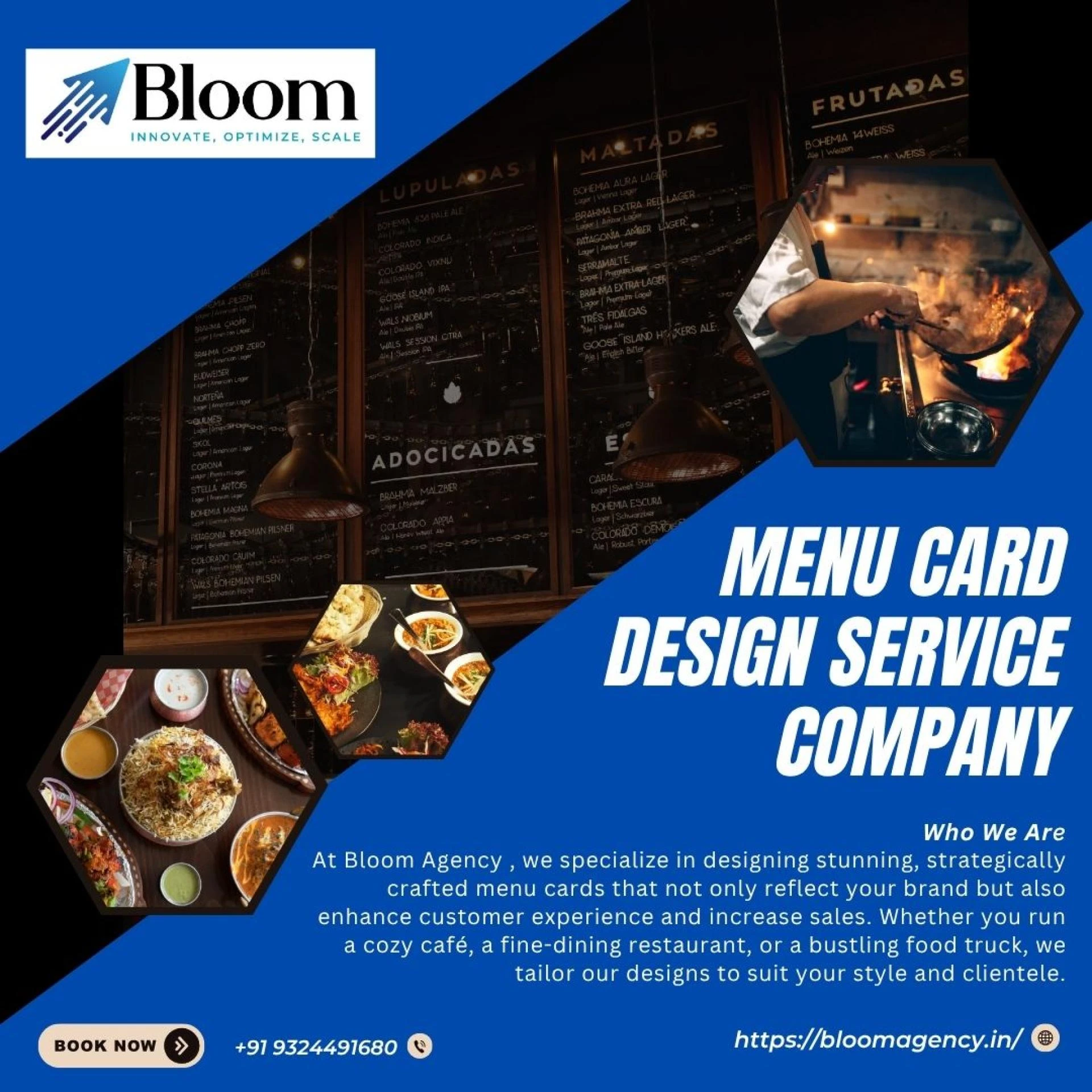

Creative Menu Card Design: The Art of Turning Food Into Visual Delight
In the ever-evolving landscape of hospitality and food services, menu card design is no longer a simple list of dishes. It has become a branding tool, a storytelling canvas, and a psychological trigger that influences purchasing decisions. A creative menu card doesn’t just inform—it engages, entices, and elevates the dining experience. In this article, we delve into the strategy, art, and science behind innovative menu card design and why it matters for restaurants, cafes, hotels, and cloud kitchens.
Why Menu Card Design Matters
When a customer sits down at your establishment or visits your digital menu, the first real brand impression they get is often through your menu design. This visual communication element can influence how much they order, what dishes catch their attention, and how they perceive your brand’s quality.
According to research by Gallup and hospitality marketing studies:
- A well-designed menu can increase sales by 10–15%.
- Visual hierarchy, color psychology, and font selection can steer customers toward high-margin items.
- 86% of customers make decisions within the first few moments of seeing the menu.
Elements of a Creative Menu Card
A creative menu card design combines visual aesthetics with psychological strategies. Here’s what constitutes an exceptional design:
1. Typography
Fonts set the tone—literally. A rustic bistro might use a handwritten script, while a high-end steakhouse may opt for serif fonts. A good designer selects 1–2 complementary typefaces for readability and aesthetic harmony.
2. Color Psychology
Colors influence appetite and emotions. For example:
- Red and yellow stimulate appetite (used by fast food chains).
- Green evokes freshness (ideal for vegan cafes or organic eateries).
- Black and gold create a sense of luxury (perfect for fine dining).
3. Layout and Hierarchy
A thoughtful layout helps guide customers’ eyes. Boxes, bold headlines, and spacing can highlight high-margin items. Avoid clutter—white space can often elevate premium items.
4. Imagery and Illustrations
Photos and illustrations can make or break the appeal of your menu. High-quality, professional images are critical—especially in printed or digital menus for delivery platforms.
5. Material and Finish (for print menus)
Textured paper, leather-bound covers, embossed logos, or UV finishes enhance tactile and visual appeal.
6. Storytelling and Branding
Menus should reflect your brand story—through tone of voice, dish descriptions, icons, or themed sections. For instance, a quirky café might have puns and pop-culture dish names.
Types of Creative Menu Designs
1. Printed Menus
Perfect for dine-in restaurants, these include:
- Folded menus (bi-fold, tri-fold)
- Single-page menus
- Booklet-style menus
- Tent cards for table-top specials
2. Digital Menus
QR-code linked menus are now the norm. Features include:
- Interactive clicks
- Filter by dietary preference
- Real-time price updates
3. Chalkboard Menus
Popular in cafes and street food eateries. These are cost-effective and allow daily changes.
4. Minimalist Menus
Favored by upscale brands; they often highlight fewer items, suggest exclusivity, and use a lot of white space.
5. Thematic Menus
Perfect for special occasions like Valentine's Day, Christmas, or festive promotions. Designed for limited-time campaigns.
Psychological Triggers Used in Menu Design
A well-designed menu uses psychological cues to influence customer behavior:
● Anchor Pricing
Displaying a high-priced item at the top of a category makes others seem more affordable.
● Decoy Effect
Adding a third “decoy” option that’s less value-for-money boosts sales of the more profitable item.
● Sensory Words
Using descriptions like "succulent", "slow-roasted", or "artisan" triggers sensory imagination and increases order likelihood.
● Limited Choices
Too many choices can lead to indecision. A creatively curated menu focuses attention and drives better decisions.
Creative Menu Design Process
Here’s how professionals approach the design journey:
1. Understanding the Brand
Designers work with restaurants to understand cuisine, target audience, location, brand identity, and pricing strategy.
2. Menu Engineering
Organizing items into categories based on profitability and popularity (stars, plow horses, puzzles, dogs) for strategic placement.
3. Sketching and Layout
Wireframes of menu pages are created for content hierarchy.
4. Visual Direction
Mood boards for color, fonts, graphics, and imagery are prepared to align with brand aesthetics.
5. Design and Testing
Prototypes are created and A/B tested with real customers (especially in digital menus) before final rollout.
Mistakes to Avoid in Menu Card Design
- Overcrowding with too many items
- Inconsistent fonts and colors
- Poor print quality or blurry images
- Misaligned pricing or formatting
- Ignoring dietary filters in digital menus
Menu Design and Marketing Integration
A creative menu also functions as a marketing tool. Smart menus integrate:
- Social media handles and QR codes
- Promotional banners (Buy 1 Get 1, Chef’s Special)
- Loyalty program information
- Seasonal callouts and combos
- Cross-selling add-ons and upsells (extra cheese, sides, drinks)
Sustainable and Digital-First Menu Trends
As the F&B industry adapts to digital transformation, menu designs are also evolving:
- Eco-friendly menus: Recycled paper, reusable boards, or biodegradable materials
- Touchless Menus: QR-code based systems that reduce physical contact
- Interactive Menus: Users can view food videos, read reviews, and even place orders directly
Benefits of Investing in Creative Menu Card Design
- Higher Sales – Strategic placement drives focus to profitable items.
- Better Brand Perception – Professional design reflects quality and trust.
- Improved Customer Experience – Visual appeal makes it easier to navigate and choose.
- Increased Loyalty – Memorable experiences create returning customers.
- Social Sharing – Instagram-worthy menus encourage user-generated content.
Hiring a Professional Menu Designer
When choosing a creative menu card designer or agency, consider:
- Experience with the F&B industry
- Portfolio with creative formats (digital and print)
- Understanding of menu psychology and engineering
- Willingness to iterate based on feedback
- Ability to integrate branding across touchpoints
Conclusion
In today’s hyper-competitive food and beverage space, a menu card is not just an informational sheet—it is a brand ambassador, a sales tool, and a design masterpiece. Creative menu card design can dramatically influence how customers perceive your brand, what they order, and how much they spend.
Investing in an expertly crafted menu is an investment in your brand’s identity, profitability, and customer delight. Whether you’re a Michelin-starred fine diner or a quirky café, your menu deserves as much thought as your food.

































Sign in to leave a comment.