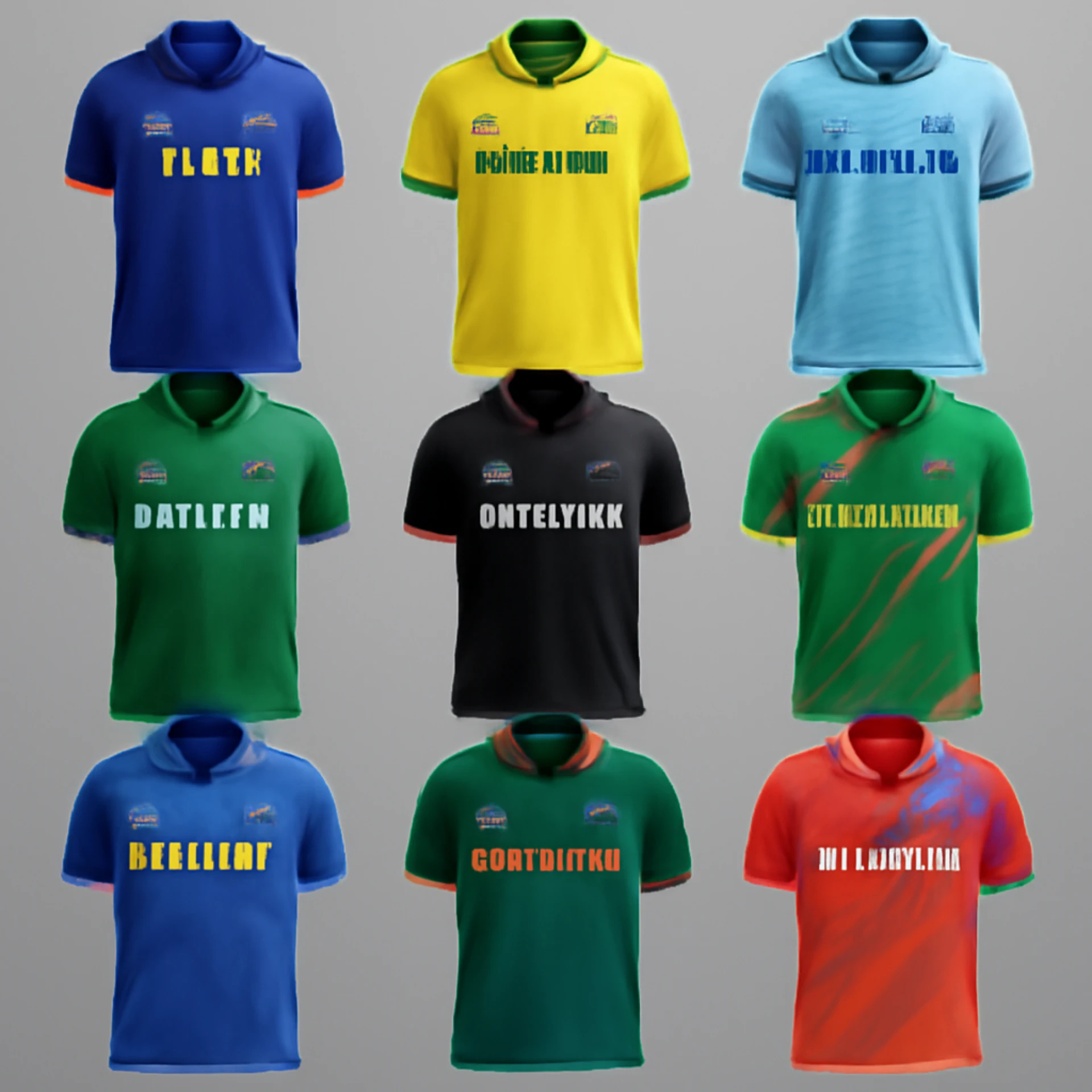

Cricket is more than just a game. It’s a culture, a passion, and for millions around the world, it’s almost a way of life. When you think of cricket, your mind doesn’t just picture the players, the ball, or the bat; it also brings to mind the vibrant and dynamic cricket jersey. Whether it's the iconic blue jersey of India, the green of Pakistan, or the yellow of Australia, these jerseys have become symbols that go beyond the game itself. They represent national pride, team identity, and the spirit of the sport.
For fans and players alike, the cricket jersey is something much more than just a piece of clothing. It is a visual representation of the hard work, passion, and commitment that both the team and its supporters have towards the game. In this article, we will delve into the significance of cricket jerseys, their evolution, their design elements, and what they mean for both the players and the fans.
The Evolution of Cricket Jerseys
1. The Early Days: White Was the Standard
In the early days of cricket, the game was played with a much more formal tone. Players were dressed in white flannel shirts, pants, and caps, giving the sport a very traditional and classic look. This was not just for aesthetics but also practicality, as the fabric allowed for greater breathability during long matches. The iconic white kit became synonymous with the sport for many decades.
For players, wearing the white kit was a badge of honor, signifying their role in a game that was regarded as the “gentleman’s sport.” It was, for many years, a distinctive feature that set cricket apart from other sports, with players wearing pristine whites on the field to reflect the tradition and elegance of the sport.
2. The Shift to Color: 1992 World Cup and the Birth of the Modern Jersey
The 1992 Cricket World Cup was a game-changer in more ways than one. Not only did it introduce a new format for the game, but it also marked the first time that colored jerseys were worn in international cricket. Teams like Australia, West Indies, and New Zealand broke away from the traditional white and embraced the use of bold colors in their kits. This move was largely driven by the changing nature of the game, which was becoming more commercialized and media-driven.
The introduction of colored jerseys revolutionized cricket. The bright, bold designs not only made the game more visually appealing but also allowed for teams to be easily identified, especially for TV broadcasts. Australia, for example, adopted the iconic yellow and green jersey that would become their trademark for years to come, symbolizing both their national colors and their sporting identity.
3. The Rise of Personalization: Custom Jerseys for Fans
As cricket grew in popularity, so did the demand for personalized jerseys. With the rise of social media and global connectivity, fans wanted to wear the same jerseys as their favorite players, but with a personal touch. Brands like Nike, Adidas, and Puma began offering jerseys that fans could customize with their own names, player numbers, and even team logos. This trend gave rise to an entirely new industry within the cricket merchandise space.
Personalized jerseys allowed fans to connect with the game on a deeper level, making the sport more inclusive and accessible. It also allowed for greater fan engagement, as supporters could express their love for the game through customized, unique kits.
Why Cricket Jerseys Matter
1. Symbol of National Pride and Identity
When players step onto the field, they are not just wearing a piece of clothing—they are wearing the pride of their nation. Each cricket jersey carries with it the weight of national representation. Whether it’s the blue of India, the green of Pakistan, or the yellow of Australia, these jerseys become synonymous with the passion and history of the team.
For fans, the jersey is a visual manifestation of their allegiance to a particular team. Wearing your national team’s jersey is a way to stand in solidarity with the players on the field. It’s a sign of unity, showing that you are part of something much bigger than yourself—something that transcends borders and brings millions of people together.
2. The Spirit of Team Unity
A cricket jersey represents team spirit. When a team wears the same kit, it creates a sense of unity, both among the players and their supporters. It reinforces the idea that each player, regardless of their individual performance, is working towards the same goal: the success of the team.
The jersey acts as a constant reminder that cricket, while a competitive sport, is also about collaboration. Fans identify with the players on a personal level, and the jersey becomes the symbol of that emotional connection. It’s more than just a uniform—it’s a representation of shared goals, effort, and commitment.
3. Performance and Technology
Cricket jerseys have come a long way in terms of design and functionality. Gone are the days when jerseys were simply about looks. Modern cricket jerseys are technologically advanced to ensure that players can perform at their best. The materials used today are lightweight, moisture-wicking, and made with high-performance fabrics that keep players cool and dry.
For example, many modern cricket jerseys are made from polyester blends that help with breathability and comfort. The fit of these jerseys is also important, as they are designed to allow full range of motion, enabling players to move freely while batting, bowling, or fielding. Additionally, jerseys often incorporate features like mesh panels or ventilation zones to provide extra airflow.
4. Cultural Significance
In many countries, cricket is more than just a sport—it’s a cultural institution. The cricket jersey, therefore, takes on additional significance. For example, India’s blue jersey has become synonymous with the success of Indian cricket. Every time the team plays, fans flock to the stadium or turn on their TV to support their team, wearing their own version of the jersey.
Similarly, Pakistan’s green jersey carries with it the hopes and dreams of an entire nation. It’s more than just a jersey—it’s a cultural symbol of strength, pride, and resilience.
The Future of Cricket Jerseys
The future of cricket jerseys seems to be headed towards greater innovation and sustainability. The introduction of smart jerseys that monitor player performance is one of the most exciting developments in the world of cricket. These jerseys, equipped with sensors that track heart rate, hydration levels, and body temperature, can provide real-time data to coaches and players, helping them improve their game and reduce the risk of injuries.
Moreover, there is a growing emphasis on eco-friendly materials in jersey production. As sustainability becomes a larger issue globally, many brands are focusing on creating jerseys made from recycled fabrics or using environmentally friendly dyes. This shift in production is in line with the wider push for sustainability across industries, and cricket apparel is no exception.
Iconic Cricket Jerseys: A Symbol of Glory
Some jerseys are etched in history forever. The Indian cricket jersey from the 2007 ICC World Twenty20, where India defeated Pakistan to win the tournament, is one such iconic jersey. The Australian team’s yellow jersey that led them to multiple World Cup victories in the 2000s is another example. Jerseys like these are more than just fabric—they represent a moment in time, a collective achievement that fans cherish and players will remember for years.
Conclusion: The Lasting Legacy of Cricket Jerseys
In conclusion, cricket jerseys are far more than just pieces of clothing. They represent the spirit, passion, and pride of the teams and the countries they represent. Over the years, the jersey has evolved from a simple white kit to a technologically advanced, sustainable, and powerful symbol of national pride. Whether on the field or in the stands, the cricket jersey connects players, fans, and nations in a shared experience that celebrates the best of what cricket has to offer.
From the simple white flannel to the colorful and high-tech jerseys of today, the cricket jersey will always be an enduring symbol of the sport's rich history, the dedication of its players, and the love of millions of fans around the world.






























Sign in to leave a comment.