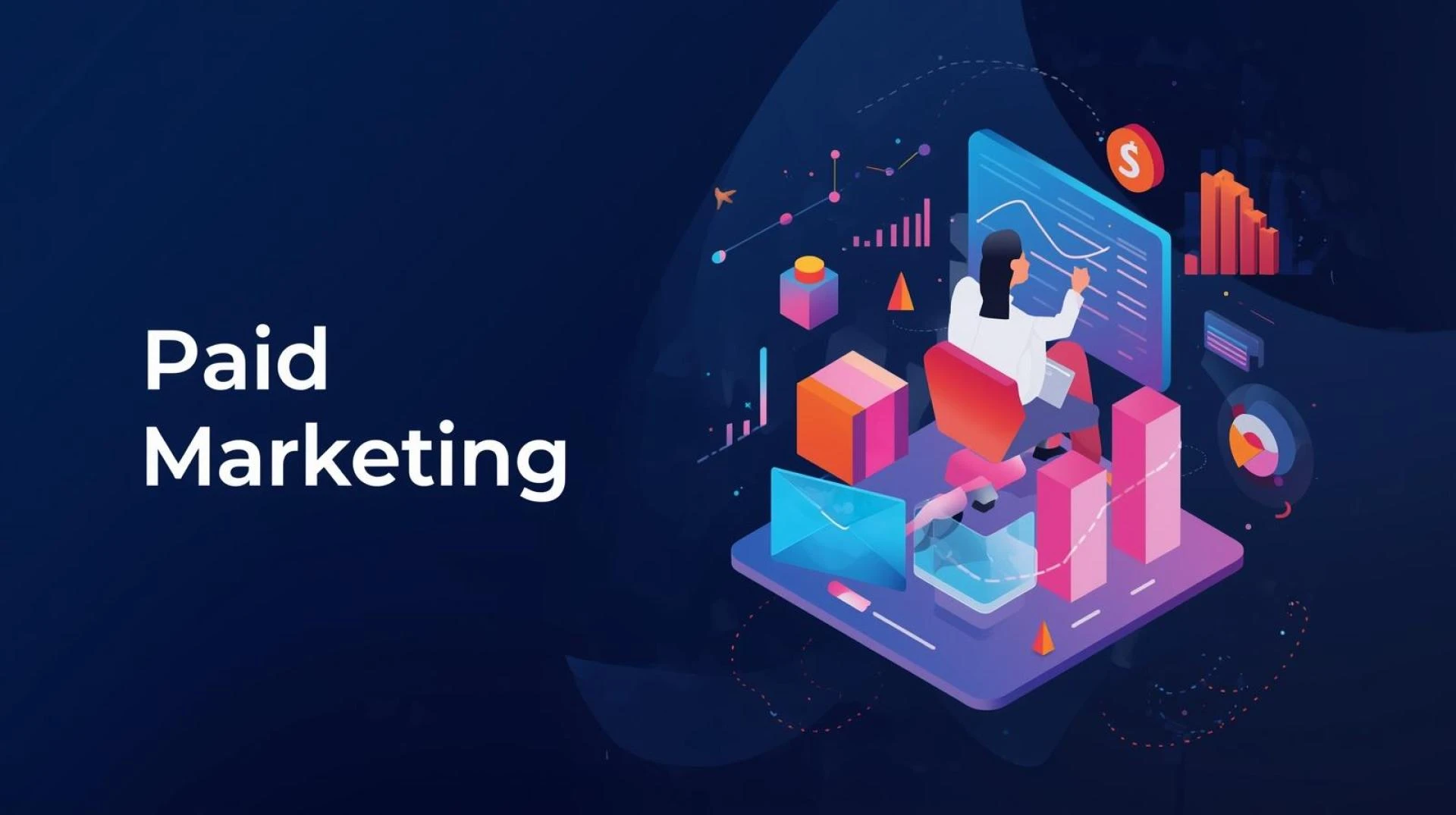
In today’s digital-first world, businesses are constantly looking for ways to stand out from the competition. Traditional marketing techniques, such as TV commercials, billboards, or print ads, are no longer the only game in town. As consumers increasingly turn to digital platforms for information, entertainment, and shopping, businesses must adapt to where their audience spends most of their time—online. This is where paid marketing comes into play.
Paid marketing offers businesses the ability to reach their target audience instantly, ensuring maximum visibility and engagement. Whether you're a small startup or a well-established corporation, paid advertising strategies can drive immediate results, generate leads, and increase sales. From Google Ads to social media campaigns, paid marketing covers a broad range of options that can be tailored to meet your specific goals.
In this article, we’ll explore the types of paid marketing, its benefits, best practices, and how businesses of all sizes can leverage paid campaigns for growth and success.
What is Paid Marketing?
Paid marketing refers to the practice of paying for advertising space on digital platforms like Google, Facebook, Instagram, LinkedIn, and others. The goal is to increase brand visibility, generate traffic, or convert leads into sales. There are several types of paid marketing, each serving a unique purpose, but all are designed to place your business in front of the right audience at the right time.
Paid marketing includes strategies such as Pay-Per-Click (PPC) ads, social media advertising, display ads, affiliate marketing, and influencer marketing. The beauty of paid marketing lies in its measurable results—each click, view, and conversion is tracked, allowing you to optimize your campaigns and maximize your return on investment (ROI).
Types of Paid Marketing
1. Pay-Per-Click (PPC) Advertising
PPC advertising is one of the most popular and effective forms of paid marketing. It works by allowing businesses to bid on keywords that are relevant to their products or services. When a user searches for these keywords on platforms like Google, your ad appears at the top of the search results, and you only pay when the user clicks on your ad.
Google Ads is the most widely used PPC platform, but other search engines like Bing and Yahoo also offer similar advertising options. PPC ads are ideal for targeting customers who are actively searching for what you offer. For example, if you’re a local bakery and someone searches for “best chocolate cake near me,” your bakery’s ad could appear, driving targeted traffic to your website.
2. Social Media Advertising
With billions of active users across platforms like Facebook, Instagram, Twitter, LinkedIn, and TikTok, social media advertising offers an unparalleled opportunity to reach your audience. These platforms allow you to target specific demographics based on age, location, interests, online behavior, and more.
Social media ads can take many forms, including:
- Image Ads: Simple yet effective in grabbing attention.
- Video Ads: Excellent for showcasing products, services, or brand stories.
- Carousel Ads: Display multiple images or products within a single ad.
- Sponsored Posts: Blend into users' feeds to feel less intrusive.
Social media advertising is ideal for building brand awareness, driving engagement, and generating sales. Additionally, social platforms like Facebook and Instagram allow you to track engagement metrics (likes, shares, comments), helping you refine your strategy.
3. Display Advertising
Display ads are visual advertisements that appear on websites and digital platforms. They can be in the form of banner ads, sidebar ads, or video ads. Display ads are usually served through Google Display Network (GDN), which offers businesses access to millions of websites.
Display advertising is a brand awareness strategy that helps your business stay in front of potential customers, even if they aren’t actively searching for your product or service. Display ads are also an excellent tool for remarketing—showing ads to users who have previously visited your website but didn’t convert.
4. Influencer Marketing
Influencer marketing has become an increasingly popular form of paid marketing. This strategy involves partnering with social media influencers—individuals with large followings on platforms like Instagram, YouTube, and TikTok—to promote your products or services. Influencers can share content that authentically endorses your brand, helping to build credibility and trust with their audience.
Influencer marketing is particularly effective for businesses targeting younger generations who trust recommendations from influencers over traditional advertising. The key to a successful influencer campaign is selecting influencers whose audience aligns with your target market.
5. Affiliate Marketing
Affiliate marketing is a performance-based marketing strategy where businesses reward affiliates (bloggers, influencers, or companies) for driving traffic or generating sales through their referral links. Affiliates promote your product or service on their websites, social media channels, or blogs, and in return, they earn a commission for each sale or lead they generate.
Affiliate marketing is an excellent option for businesses looking to scale their marketing efforts without upfront costs. You only pay when results are achieved, which makes this model cost-effective and low-risk.
Benefits of Paid Marketing
1. Immediate Results
Unlike organic marketing strategies like SEO, which take time to show results, paid marketing provides immediate visibility. Once your campaigns go live, your ads start appearing in front of your audience, driving traffic, generating leads, and producing conversions.
This immediacy is especially beneficial when launching new products or running time-sensitive promotions.
2. Targeted Audience Reach
Paid marketing allows you to target specific demographics based on their behavior, location, interests, and more. For example, if you sell pet products, you can target pet owners who frequently browse pet-related content or shop for pet supplies. This ensures that your ads are reaching the people most likely to purchase from you.
Platforms like Google and social media sites allow you to narrow down your audience based on specific age groups, interests, income levels, and online habits, making your campaigns more effective and relevant.
3. Cost-Effective and Scalable
Paid marketing is highly scalable. You can start with a small budget and gradually increase it as you see positive results. If a campaign is successful, you can scale it by increasing your ad spend or expanding your audience. The flexibility of paid marketing allows businesses to control their budget and adjust their strategy accordingly.
Furthermore, platforms like Facebook Ads and Google Ads use a cost-per-click (CPC) or cost-per-impression (CPM) model, which ensures that you’re only paying when users interact with your ad, making it a cost-effective strategy for businesses of all sizes.
4. Measurable Results
Paid marketing campaigns come with the advantage of being data-driven. Most advertising platforms provide robust analytics tools that track everything from click-through rates (CTR) to conversion rates, allowing businesses to measure their performance and optimize their campaigns.
These insights help businesses make data-driven decisions, adjust their targeting, and refine their strategy to get the best possible results.
Best Practices for Paid Marketing
1. Set Clear Objectives
Before launching any paid marketing campaign, it’s essential to define your goals. Are you trying to increase brand awareness, generate leads, or drive sales? Knowing your objectives will help you choose the right platforms and ad formats to achieve the best results.
2. Monitor and Optimize Campaigns
Paid marketing is not a “set and forget” tactic. You should continually monitor your campaigns to track performance and make necessary adjustments. A/B testing is an effective way to compare different ad variations and determine which ones resonate best with your audience.
3. Create Compelling Content
The success of your paid marketing campaigns depends largely on the quality of your content. Whether it’s an image ad, video, or sponsored post, ensure your message is clear and compelling. A strong call to action (CTA) will help drive conversions and prompt users to take the next step, whether it's signing up, downloading, or making a purchase.
4. Use Retargeting
Retargeting is a highly effective strategy in paid marketing. It involves showing ads to people who have already interacted with your brand but haven’t converted yet. By keeping your brand in front of them, you increase the chances of conversions and sales.

























Sign in to leave a comment.