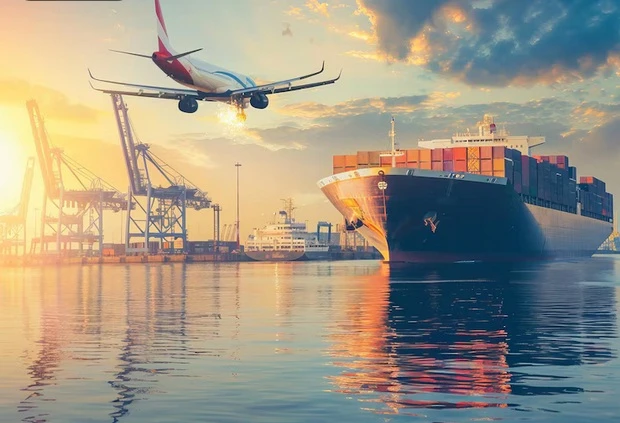

The world of cross-border freight transportation is a complex and ever-evolving landscape, presenting both opportunities and challenges for businesses looking to expand their reach across international borders. From navigating customs regulations to ensuring timely and damage-free deliveries, managing cross-border freight can be a daunting task. However, with the right strategies and partnership, companies can overcome these obstacles and unlock the full potential of their cross-border logistics operations.
Navigating Customs and Regulatory Requirements
One of the primary challenges in cross-border freight is the intricate web of customs regulations and documentation requirements. Each country has its own set of rules and procedures that must be followed to ensure the smooth flow of goods across borders. Failure to comply with these regulations can result in costly delays, fines, or even the seizure of shipments.
To navigate this complex landscape effectively, businesses need to have a thorough understanding of the customs and regulatory requirements in the countries they are operating in. This includes being up-to-date on the latest changes in tariffs, trade agreements, and import/export regulations. Partnering with a reputable cross-border logistics provider can be invaluable, as they have the expertise and resources to handle the necessary paperwork and ensure compliance with all relevant regulations.
Ensuring Timely and Secure Deliveries
Cross-border freight often faces additional challenges when it comes to timely and secure deliveries. Factors such as border crossing delays, weather conditions, and infrastructure limitations can all contribute to delivery delays, putting supply chains at risk.
To mitigate these challenges, businesses must prioritize supply chain visibility and proactive communication. Investing in real-time tracking and monitoring systems can provide valuable insights into the status of shipments, allowing for early identification and resolution of any issues. Additionally, establishing strong relationships with reliable cross-border carriers and transportation providers can help ensure that goods are delivered on time and in perfect condition.
Maintaining Cargo Integrity and Condition
Transporting goods across borders can expose them to a variety of environmental and logistical challenges, such as temperature fluctuations, rough handling, and the risk of theft or damage. Ensuring the integrity and condition of the cargo is critical, particularly for sensitive or high-value items.
Businesses can address these concerns by implementing robust cargo protection measures, such as temperature-controlled transportation, tamper-evident seals, and secure loading and unloading procedures. Partnering with a logistics provider that specializes in cross-border freight can also be advantageous, as they have the expertise and resources to handle specialized cargo requirements.
Navigating the Financial and Tax Implications
Cross-border freight operations also come with their own set of financial and tax considerations. Businesses must navigate complex invoicing, payment, and tax requirements, which can vary significantly between countries. Failure to properly manage these aspects can result in unexpected costs, delays, or even legal complications.
To mitigate these challenges, businesses should work closely with their logistics provider to understand the financial and tax implications of their cross-border freight operations. This may include seeking guidance from tax professionals, understanding exchange rate fluctuations, and ensuring compliance with all relevant financial regulations.
The Role of Technology in Cross-Border Freight
Technology has emerged as a critical enabler in the world of cross-border freight, providing businesses with the tools and insights they need to optimize their operations. From digital freight platforms to real-time tracking and analytics, technology can help streamline processes, enhance visibility, and drive efficiency.
By leveraging the power of technology, businesses can gain a competitive edge in the cross-border freight market. This may include automating customs clearance processes, integrating supply chain data across multiple systems, and utilizing predictive analytics to anticipate and mitigate potential disruptions.
Conclusion:
Despite the challenges, the opportunities presented by cross-border freight are undeniable. Businesses that can effectively navigate the complexities of cross-border logistics and leverage the power of technology and strategic partnerships can unlock new avenues for growth, expand their customer base, and drive greater efficiencies throughout their supply chains By partnering with a trusted cross-border freight provider like Loyalty Logistics, businesses can navigate the intricacies of cross-border freight with confidence, ensuring that their goods are delivered safely, on time, and in perfect condition, all while maximizing their bottom line and contributing to a more sustainable future.



























Sign in to leave a comment.