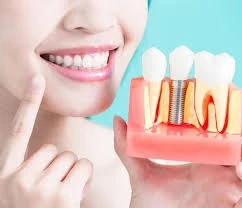
Dental health plays a crucial role in overall well-being, yet many people only explore restorative procedures when discomfort or visible damage appears. Among the various restorative options available today, dental crowns are commonly used to protect and strengthen compromised teeth. Understanding how these restorations work, when they are recommended, and what patients can expect from the process can help individuals make informed decisions about their oral care. One of the most frequently discussed restorative solutions is Crown Dental Treatment, which is designed to restore both function and appearance while preserving the remaining tooth structure.
For readers unfamiliar with dental procedures, the concept of a crown may seem complex at first. In simple terms, a dental crown is a custom-made cap placed over a tooth that has been weakened by decay, fracture, or previous dental work. Crown Dental Treatment is often considered when fillings alone are not sufficient to provide long-term stability. By covering the tooth completely, a crown can help distribute biting forces evenly and reduce the risk of further damage.
What Is a Dental Crown and How Does It Work
A dental crown functions as a protective shell that encases a damaged or weakened tooth. It is shaped and sized to match the natural tooth, allowing it to blend seamlessly with the rest of the smile. Once placed, the crown restores the tooth’s original form, strength, and usability. This approach allows patients to chew, speak, and smile with greater confidence.
Crowns can be recommended for a variety of reasons. Teeth that have undergone root canal therapy often require full coverage to prevent fractures. Large fillings that compromise the structural integrity of a tooth may also benefit from a crown. In addition, crowns are commonly used to support dental bridges or to cover dental implants, ensuring stability and functionality over time.
Materials Commonly Used in Dental Crowns
Modern dentistry offers several materials for crown fabrication, each with its own advantages. Porcelain crowns are popular for their natural appearance and are often used for front teeth. Ceramic options provide similar aesthetics and are metal-free, making them suitable for patients with sensitivities. Metal crowns, including gold alloys, are known for their durability and are typically used in areas where chewing forces are strongest.
Porcelain-fused-to-metal crowns combine strength and appearance, though they may show a metal edge over time. The choice of material depends on factors such as tooth location, bite pressure, aesthetic preferences, and oral health conditions. Understanding these options helps patients appreciate how Crown Dental Treatment can be tailored to individual needs.
The Step-by-Step Process of Receiving a Crown
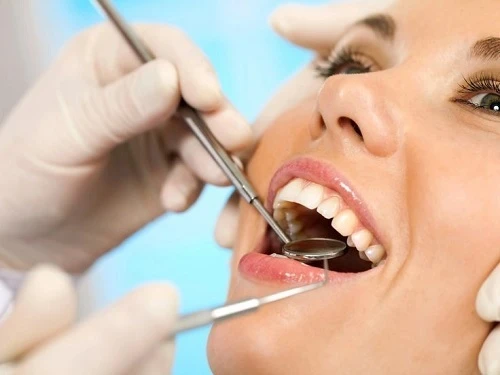
The process of placing a dental crown usually involves multiple steps, though advancements in technology have streamlined treatment timelines in many cases. Initially, the dentist evaluates the tooth using visual examination and imaging to determine whether a crown is appropriate. If recommended, the tooth is prepared by reshaping it to allow space for the crown.
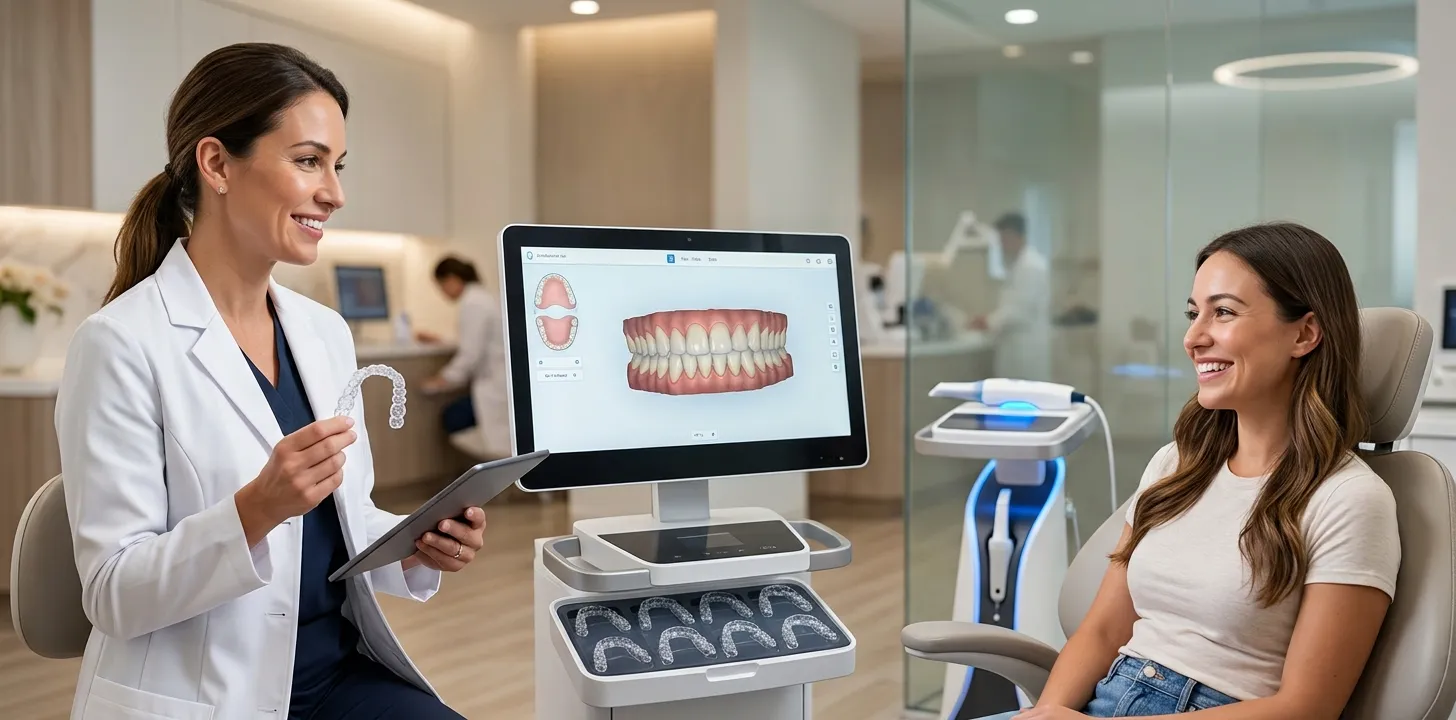
An impression or digital scan is then taken to ensure a precise fit. A temporary crown may be placed to protect the tooth while the permanent restoration is being created. Once ready, the final crown is adjusted for comfort and bite alignment before being permanently secured. Throughout this process, Crown Dental Treatment aims to balance precision, comfort, and durability.
Role of Technology in Modern Crown Procedures
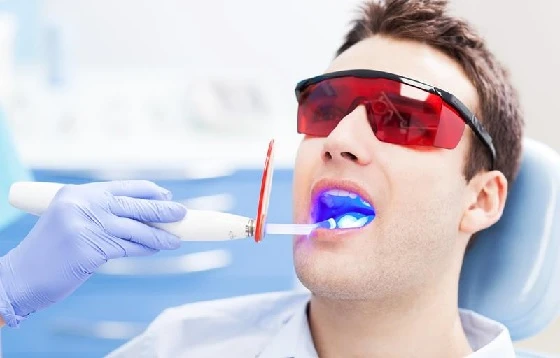
Technological advancements have significantly influenced how crowns are designed and placed. Digital impressions reduce the need for traditional molds, improving accuracy and patient comfort. Computer-aided design and manufacturing systems allow crowns to be created with remarkable precision, ensuring a natural fit. Laser-assisted techniques are also becoming more common in restorative dentistry. In settings that emphasize innovation, such as practices associated with Advanced Laser Dentistry Hudson, lasers may be used to assist in soft tissue management or preparation steps. These methods can contribute to improved accuracy and healing, though the fundamental principles of crown placement remain the same.

























Sign in to leave a comment.