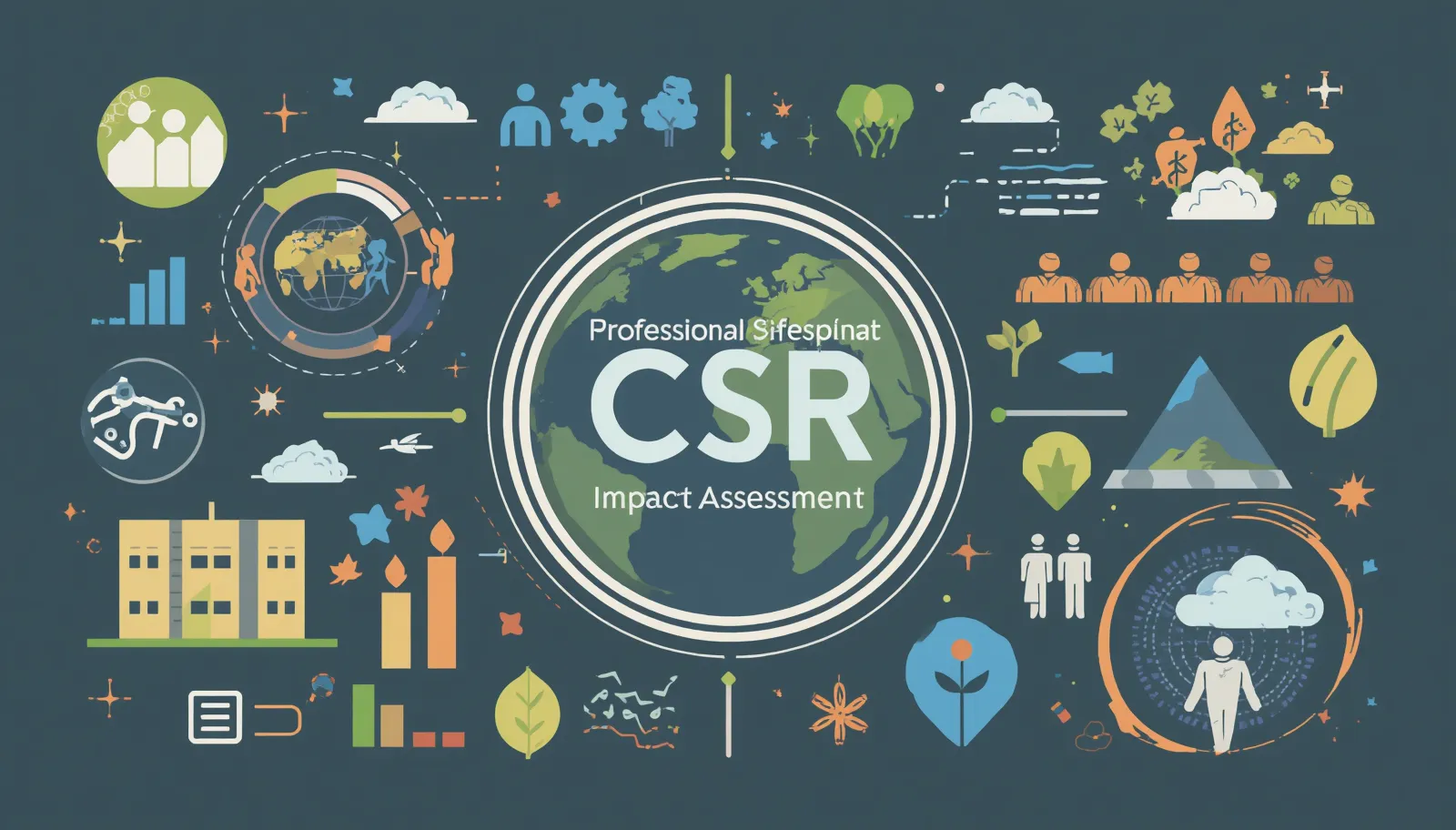

Today, many companies want to do more than just earn profits. They also want to help society, support communities, and protect the environment. This is known as Corporate Social Responsibility (CSR). Businesses invest money in projects like education, healthcare, environmental protection, and community development. However, it is important to make sure that these efforts actually help people. This is where CSR Impact Assessment and CSR consulting become important.
CSR consulting helps companies plan and manage their CSR activities in a better way. CSR impact assessment checks whether those activities are creating real change. Together, these two services help businesses make smart decisions and ensure their CSR programs are meaningful and effective.
Many organisations today understand that social responsibility is not just about donating money. It is about creating long-term benefits for society. With the right guidance and proper evaluation, companies can make a stronger and more positive impact on the communities they support.
What is CSR Consulting?
CSR consulting means helping companies plan and manage their social responsibility programs. Many businesses want to support good causes, but they may not know how to start or which projects will have the biggest impact.
CSR consultants work with companies to understand their goals, values, and available resources. Based on this information, they suggest CSR programs that match the company’s vision and benefit society.
For example, a company may decide to support education in rural areas, improve healthcare services, or promote environmental sustainability. CSR consultants help design these programs and guide companies through the entire process.
They also help companies find the right partners such as nonprofit organizations, local communities, and government bodies. These partnerships help ensure that CSR activities reach the people who need them most.
CSR consultants also assist with reporting and compliance. Many companies must follow government rules related to CSR spending and reporting. Consulting experts help them meet these requirements in a clear and transparent way.
What is CSR Impact Assessment?
While planning CSR projects is important, it is equally important to measure the results. This is where CSR Impact Assessment comes in.
CSR impact assessment is the process of checking whether a CSR project is actually helping people and improving communities. It studies the results of the project and compares them with the goals that were originally planned.
For example, if a company funds a project to build schools or improve education, impact assessment will check whether more children are attending school and whether their learning has improved.
This process involves collecting data, talking to community members, visiting project locations, and analyzing results. The findings help companies understand the success of their CSR initiatives.
Impact assessment also helps companies improve future programs. By learning what worked well and what did not, businesses can design better projects in the future.
Why CSR Impact Assessment is Important
CSR impact assessment is important because it helps companies understand the real value of their social investments.
First, it provides transparency. Companies can clearly show how their CSR funds are being used and what results they are achieving. This builds trust with employees, customers, investors, and communities.
Second, it helps improve decision-making. When companies analyze the results of their CSR programs, they can see which projects are successful and which ones need improvement.
Third, impact assessment ensures accountability. Companies become more responsible for the results of their CSR initiatives because they can track their progress and measure their impact.
Finally, in many countries companies are required to report the outcomes of their CSR activities. Impact assessment helps them prepare accurate and reliable reports.
Steps in CSR Impact Assessment
CSR impact assessment usually follows a simple and structured process to understand the results of a project.
1. Understanding the Project
The first step is to study the goals of the CSR project and the community it aims to help.
2. Collecting Information
Experts gather information through surveys, interviews, and field visits. They speak with beneficiaries, project partners, and community members.
3. Analyzing Results
The collected data is analyzed to understand the social, economic, or environmental changes created by the project.
4. Preparing a Report
Finally, a detailed report is prepared that explains the project’s impact and suggests improvements for future programs.
This process helps companies see the real outcomes of their CSR investments.
Benefits of CSR Consulting for Companies
Working with CSR consulting experts can bring many advantages to businesses.
One major benefit is better planning. Consultants help companies create clear strategies and choose projects that match their values and goals.
Another advantage is efficient use of resources. Instead of spending money on projects that may not work, companies can invest in programs that create real and measurable change.
CSR consulting also improves community relationships. When companies support meaningful projects, they build stronger connections with local communities and stakeholders.
In addition, strong CSR programs improve a company’s brand reputation. Customers and investors are more likely to trust companies that show genuine commitment to social responsibility.
Industries That Use CSR Consulting
CSR consulting is useful for many different industries. Large corporations, multinational companies, and growing businesses often use these services to manage their CSR programs.
Industries such as manufacturing, technology, banking, healthcare, and retail commonly invest in CSR initiatives. These companies support projects related to education, healthcare, skill development, and environmental protection.
Professional consulting firms provide guidance to ensure these initiatives are well planned and effectively implemented.
For example, organizations like Chrysalis Services support businesses in developing CSR strategies and conducting impact assessments to ensure their social initiatives deliver real and measurable benefits to communities.
Future of CSR Impact Assessment and Consulting
The importance of CSR is growing every year. Businesses are becoming more aware of their responsibility to contribute to society. Because of this, the demand for CSR consulting and impact assessment services is also increasing.
Technology is also helping improve CSR management. Digital tools and data analysis make it easier to track the progress of projects and measure their impact. Companies can now monitor their CSR activities more efficiently and make better decisions.
In the future, CSR programs will focus more on sustainability, environmental protection, and long-term community development. Businesses will continue to look for expert guidance to ensure their efforts create meaningful change.
Conclusion
Corporate Social Responsibility has become an important part of modern business. Companies today want their social initiatives to make a real difference in people’s lives.
CSR consulting helps businesses plan and manage these initiatives, while CSR Impact Assessment measures the results and ensures the programs are effective.






























Sign in to leave a comment.