
Introduction:
In the realm of sustainable agriculture and eco-conscious living, the sustainable future of hemp shines brightly. This versatile plant has garnered attention for its myriad uses and eco-friendly properties. In this blog, we\'ll delve into the sustainable potential of hemp, its diverse applications, and the pivotal role it can play in shaping a more environmentally friendly world.
The Sustainable Promise of Hemp:
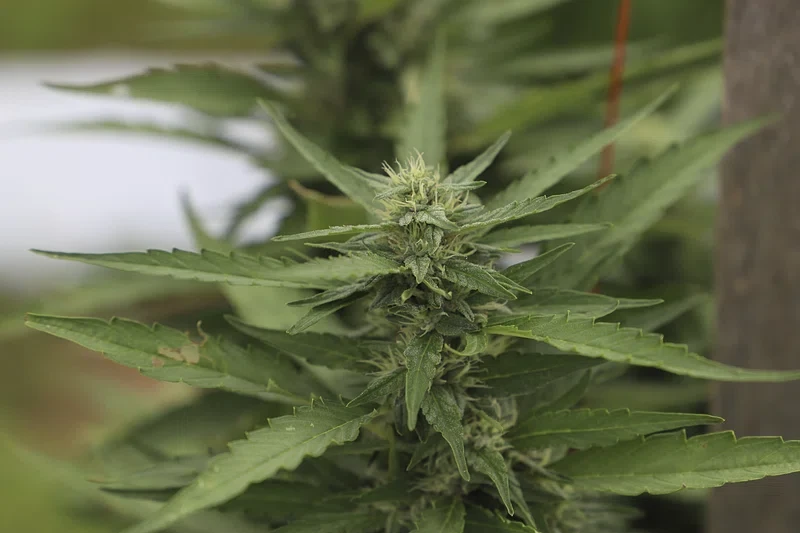
Hemp, scientifically known as Cannabis sativa, offers a promising path toward sustainability. This resilient plant requires minimal water, pesticides, and fertilizers compared to other crops like cotton, making it inherently more eco-friendly. With its deep root system, hemp also contributes to soil health and erosion prevention, further enhancing its sustainable credentials.
Versatile Applications:
Hemp\'s versatility knows no bounds. From textiles and construction materials to food and biofuels, hemp can be utilized in a multitude of industries. Hemp fibers are renowned for their strength and durability, making them ideal for clothing, rope, and sustainable building materials. Hemp seeds, rich in protein, essential fatty acids, and vitamins, are a valuable source of nutrition and a cornerstone of the plant-based food movement.
Carbon Sequestration:
As concerns about climate change escalate, the role of carbon sequestration in mitigating greenhouse gas emissions has become increasingly crucial. Hemp offers a promising solution, as it has the ability to sequester large amounts of carbon dioxide from the atmosphere during its rapid growth cycle. By incorporating hemp cultivation into agricultural practices, we can harness its carbon-sequestering properties to help combat climate change.
Sustainable Alternatives:
Hemp presents itself as a sustainable alternative to conventional materials and products. Whether it\'s replacing plastic with biodegradable hemp-based plastics or using hempcrete in construction projects to reduce carbon emissions, the potential for hemp to drive positive change is immense. Embracing hemp as a viable solution can help reduce reliance on environmentally harmful substances and promote a more circular economy.
Embracing a Hemp-Centric Future:
The sustainable future of hemp hinges on collective action. Governments, businesses, and consumers must work together to remove barriers to hemp cultivation, invest in research and development, and promote the widespread adoption of hemp-based products. By prioritizing hemp and embracing a holistic approach to sustainability, we can pave the way towards a brighter, greener future for all.
Conclusion:
In conclusion, the sustainable future of hemp holds great promise for addressing some of the most pressing challenges facing our planet today. From reducing carbon emissions and preserving natural resources to fostering economic growth and promoting social equity, hemp has the potential to revolutionize industries and transform communities. By incorporating hemp into our lives and embracing its sustainable benefits, we can create a more resilient and harmonious world for generations to come.



























Sign in to leave a comment.