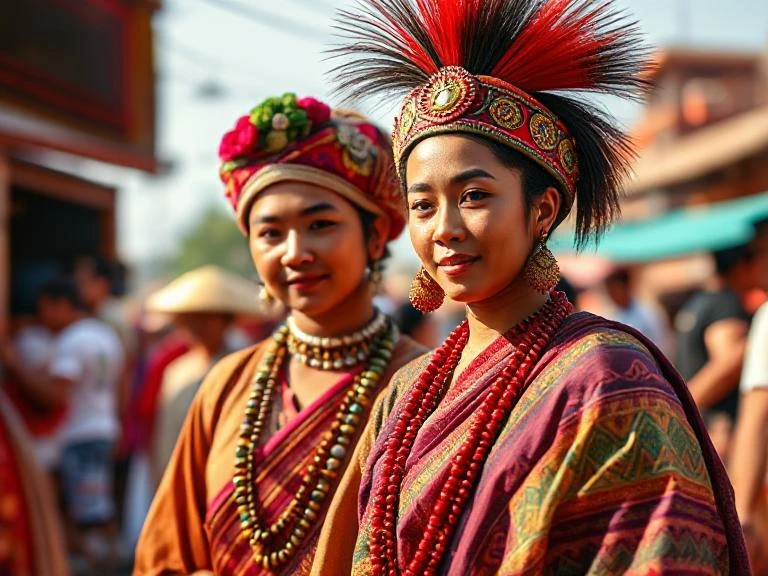

In today’s globalized world, cultural sensitivity has become a crucial topic in all aspects of life, especially in marketing. As brands expand their reach to diverse audiences, they often find themselves in the crosshairs of a sensitive issue: cultural appropriation versus cultural appreciation. For marketers, understanding the difference and navigating these delicate waters ethically is vital not only for maintaining a positive brand image but also for fostering genuine connections with their customers.
In this guide, we’ll explore the key distinctions between cultural appropriation and appreciation and provide marketers with a framework for making ethical decisions in their marketing campaigns.
What is Cultural Appropriation?
Cultural appropriation refers to the act of taking or borrowing elements of one culture, typically from marginalized or historically oppressed groups, without permission or understanding of its significance. This can include aspects like clothing, music, food, language, religious symbols, and other cultural practices. It is often done in a superficial or commercialized manner, with little regard for the cultural context or the history behind these elements.
In marketing, cultural appropriation occurs when a brand adopts or uses elements from a culture in a way that feels disrespectful or trivializes the culture's importance. For example, using sacred symbols or traditional attire for a fashion line without understanding the cultural significance behind them could be considered appropriation.
What is Cultural Appreciation?
On the other hand, cultural appreciation involves a respectful acknowledgment and understanding of another culture. It requires a genuine effort to learn about the culture, its history, and its traditions before incorporating elements into a brand’s campaigns. Cultural appreciation promotes inclusivity and mutual respect, allowing brands to authentically celebrate diversity without exploiting or misrepresenting a culture.
Cultural appreciation in marketing can be seen when brands partner with individuals from the culture they are showcasing, ensuring that the use of cultural elements is respectful and accurate. An example would be a brand collaborating with artisans from a specific cultural background to create a product that honors the traditions and history behind it.
The Ethical Line: How Can Marketers Navigate This?
Marketers often face challenges when incorporating diverse cultural elements into their campaigns, especially in a world where audiences are more vocal about cultural representation. It’s essential for brands to tread carefully to avoid crossing into appropriation, which can have negative consequences for their reputation and credibility.
1. Do Your Research
Before using cultural symbols, attire, or practices in your marketing, take the time to understand their meaning and significance. Research the history and context behind the cultural elements you're considering. If your brand is inspired by a specific culture, make sure to highlight that inspiration in an informed and respectful manner.
Engage with cultural experts, community leaders, or individuals who are part of the culture to ensure you're accurately representing their values and traditions. When in doubt, it's best to consult those who have lived experiences of the culture you're referencing.
2. Avoid Using Cultural Symbols as a Trend
It’s important to recognize that cultural symbols and practices are not just "trends" or "aesthetic choices" to be used in marketing for profit. For example, wearing traditional attire for fashion shoots or using sacred symbols for commercial purposes trivializes the deep meaning behind those elements. Instead, focus on celebrating cultures by giving them the respect they deserve.
3. Ensure Representation is Inclusive
Cultural appreciation should come with proper representation. This means featuring authentic voices from the culture you’re celebrating, whether that’s in the form of artists, designers, or content creators. This inclusion shows that the culture is being appreciated for its value rather than appropriated for profit.
By ensuring that members of the culture are involved in the campaign or that their voices are heard, you demonstrate respect and acknowledge the contributions of the community.
4. Understand the Difference Between Borrowing and Respectfully Collaborating
While borrowing cultural elements can be seen as appropriation, collaborating with cultural custodians or community members is a way to celebrate and appreciate culture authentically. A partnership allows for mutual respect, shared ownership, and a more meaningful exchange. This collaboration should always come with fair compensation, as well as visibility for the culture you're highlighting.
5. Be Prepared to Listen and Learn
Even if a marketing campaign is well-intentioned, it may still come under scrutiny. Brands should be open to feedback from the communities they engage with. If a campaign unintentionally offends or alienates a group, it’s essential to address concerns and apologize, demonstrating a willingness to learn and evolve.
Transparency and humility in these situations can help maintain trust and strengthen relationships with your audience.
Case Studies: The Fine Line Between Appropriation and Appreciation
Appropriation Example: H&M’s "Coolest Monkey" Sweatshirt
In 2018, H&M faced backlash for featuring a Black child wearing a sweatshirt with the words "Coolest Monkey in the Jungle." The phrase was seen as racially insensitive, and many accused the company of cultural appropriation. H&M’s lack of understanding and disregard for the historical context led to widespread criticism.
Appreciation Example: Nike's Collaboration with Serena Williams
Nike has been praised for its cultural appreciation, especially when it comes to working with Black athletes and celebrating African-American culture. The brand has celebrated Serena Williams’ accomplishments while highlighting her cultural significance in the sporting world, ensuring that her story is told through an authentic, respectful lens.
How Marketers Can Foster Cultural Sensitivity
1. Educate Your Team
Ensure that your marketing team, designers, and content creators are aware of the importance of cultural sensitivity. Provide training on diversity, equity, and inclusion to prevent the misrepresentation of cultures.
2. Avoid Stereotyping
Stereotypes are often a result of appropriation. Ensure that any representation of a culture is nuanced and respectful, not generalized or reduced to clichés.
3. Celebrate Diversity, Don’t Exploit It
Marketing campaigns that celebrate diversity in a meaningful way highlight the beauty of different cultures without commodifying them. By highlighting authentic experiences and stories, your brand can honor diversity without crossing into appropriation.
Conclusion: Ethical Marketing in a Diverse World
As marketers, it's crucial to be aware of how we use cultural elements in our campaigns. While cultural appreciation can help foster inclusivity and understanding, cultural appropriation can alienate your audience and harm your brand’s reputation. By doing the necessary research, collaborating authentically with cultural custodians, and ensuring respectful representation, marketers can create campaigns that truly celebrate diversity without crossing ethical boundaries.
Marketing Agency in Winston-Salem
If you’re looking for an ethical and effective approach to marketing, consider working with a marketing agency in Winston-Salem. Learn more about how our team can help you create campaigns that align with cultural sensitivity and resonate with your audience by visiting our services here.



























Sign in to leave a comment.