Custom App Development vs. Ready-Made Solutions: Which Is Better?


Choosing the right application development approach is an important decision for businesses planning to launch or improve their digital products. Ready-made solutions offer a quicker way to get started, while custom applications provide greater control over features, workflows, and scalability. Working with an experienced custom application development company helps businesses evaluate both options and select an approach that aligns with their goals, budget, and long-term requirements.
However, neither option is ideal for every business. The right choice depends on how much flexibility you need, how quickly you want to launch, and whether existing solutions meet your operational requirements. Let's compare both approaches to help you make an informed decision.
What Is Custom App Development?
Custom app development involves building an application specifically around a business's requirements. The development team studies your workflows, target audience, product goals, and technical needs before designing and developing the solution.
Businesses get greater control over the application's features, interface, integrations, and architecture. They also have the flexibility to introduce new functionalities as their requirements evolve.
Custom development is suitable for businesses that:
- Need unique features or specialised workflows.
- Require integration with existing business systems.
- Want greater control over application design and functionality.
- Expect their product requirements to evolve.
- Need a scalable solution for long-term growth.
This approach requires more planning and development effort. However, it allows businesses to build an application around their actual needs instead of adjusting their processes to fit an existing product.
What Are Ready-Made App Solutions?
Ready-made applications are pre-built software products designed for common business requirements. They offer standard features that users can configure based on their needs.
Examples include ready-made CRM platforms, inventory management systems, appointment booking tools, and ecommerce solutions. Businesses often subscribe to these products or purchase licences to access their functionality.
Ready-made solutions are useful for businesses that:
- Need to launch quickly.
- Have standard operational requirements.
- Want to avoid significant initial development expenses.
- Have limited technical resources.
- Need access to common features without building them from scratch.
These solutions reduce development time, but their customisation options depend on the platform. Businesses with specialised workflows might eventually encounter limitations.
Custom App Development vs. Ready-Made Solutions
Both approaches offer different advantages. Comparing their core characteristics helps businesses understand which one better supports their requirements.
| Comparison Factor | Custom App Development | Ready-Made Solutions |
| Development time | Requires more time for planning and development | Faster setup and deployment |
| Initial cost | Generally higher | Usually lower |
| Customisation | High flexibility | Limited to available options |
| Scalability | Designed around future requirements | Depends on platform capabilities |
| Integrations | Can support specific business systems | Limited to supported integrations |
| Maintenance | Requires planned maintenance and updates | Often managed by the provider |
| Ownership and control | Greater control over the application | Subject to provider terms and licensing |
| Competitive advantage | Supports unique product capabilities | Usually offers standard functionality |
The comparison shows that ready-made solutions offer speed and convenience, while custom development provides greater flexibility and control. Businesses should evaluate these differences based on their priorities rather than choosing solely by initial cost.
Key Factors to Consider Before Choosing
The right application development approach depends on several business and technical considerations.
Budget and Total Cost
Ready-made solutions usually have lower upfront costs. However, subscription fees, additional licences, premium features, and integration expenses contribute to long-term spending.
Custom applications require a larger initial investment. Their cost depends on feature complexity, technology choices, integrations, and development requirements. Businesses should compare the total cost of ownership instead of focusing only on the initial budget.
Customisation and Flexibility
If your business follows standard workflows, a ready-made product might meet your needs. However, specialised operations often require features that existing platforms do not support.
Custom development provides greater flexibility to design workflows, permissions, dashboards, and integrations around business requirements.
Scalability and Future Growth
Consider how your application requirements will change as your business grows. More users, transactions, integrations, and advanced features might increase the demands on your software.
A custom solution allows businesses to plan the architecture around expected growth. Ready-made platforms are suitable when their infrastructure and pricing plans support the required expansion.
User Experience
The application's interface influences how easily users complete their tasks. Ready-made solutions follow predefined layouts, which might not match every audience or workflow.
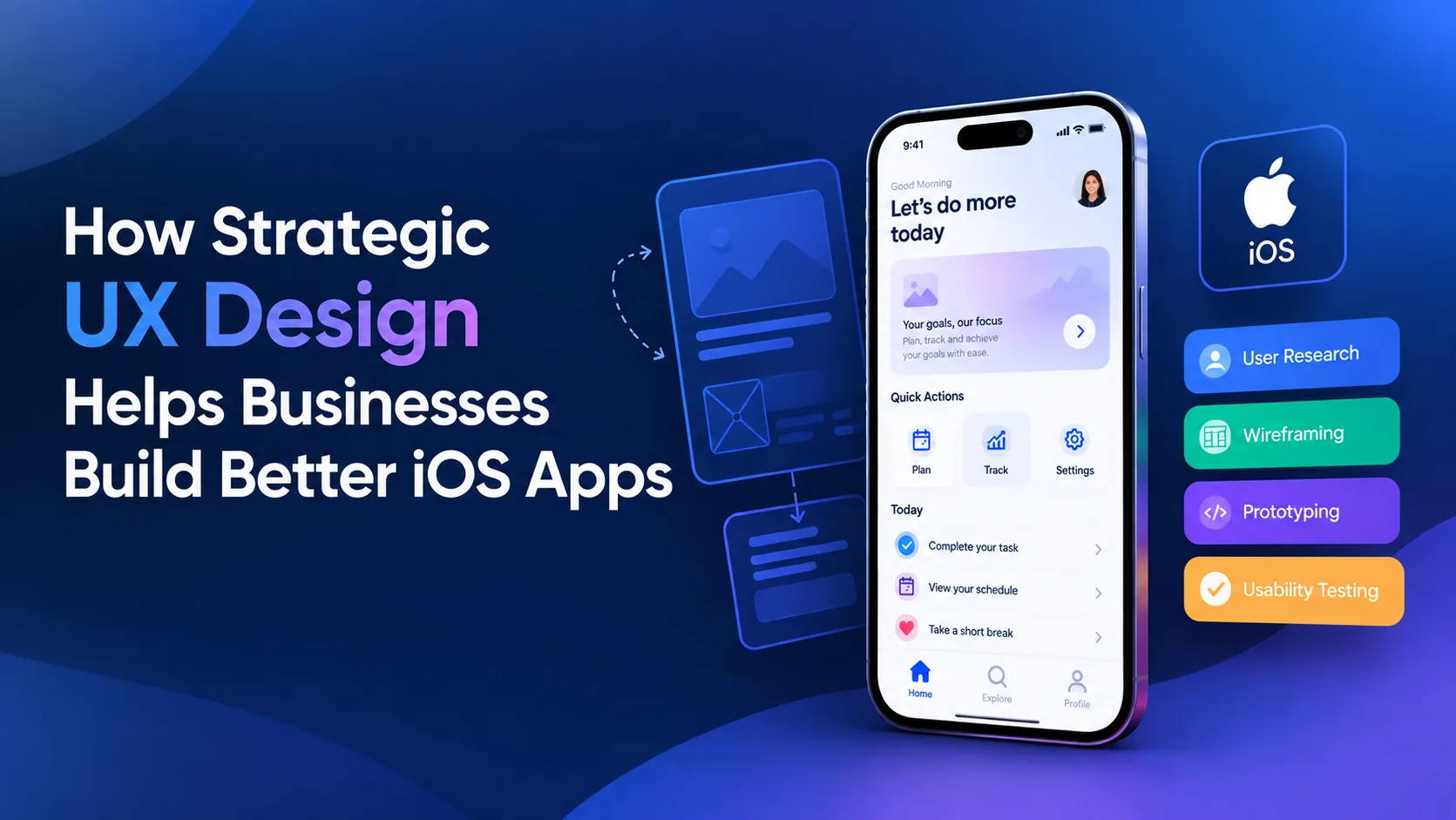
Investing in ui ux design services during custom development helps businesses create intuitive navigation, consistent interfaces, and user journeys aligned with their audience's expectations.
Integrations and Security
Businesses relying on multiple systems should evaluate how easily an application connects with their existing technology stack. Custom applications offer flexibility for specific API integrations and data workflows.
Security requirements also deserve attention. Review authentication, access controls, data protection, compliance needs, and the security responsibilities of the solution provider before making a decision.
When Should You Choose Custom App Development?
Custom development is a strong option when standard software cannot support your business requirements effectively. It is particularly useful when your application needs specialised features, unique workflows, or a distinct user experience.
Consider custom development when:
- Your business model requires unique application functionality.
- Existing platforms create workflow limitations.
- You need specialised integrations with internal systems.
- Your application must support complex user roles or permissions.
- You want greater control over product updates and future enhancements.
Working with a provider offering comprehensive mobile app development services helps businesses manage the complete development process, from requirement analysis and design to implementation, testing, and maintenance.
When Are Ready-Made Solutions a Better Choice?
Ready-made applications are practical when businesses need standard functionality without investing in a dedicated development project.
They work well for early-stage operations, small teams, and businesses testing common software requirements. A ready-made solution also helps organisations evaluate a process before committing to a larger technology investment.
Choose this approach when:
- Your requirements match the platform's existing features.
- You need a solution within a short timeline.
- Your budget does not support custom development.
- You do not require extensive integrations.
- The provider offers suitable security, support, and scalability.
However, review licensing terms, data portability, customisation limits, and future pricing before committing to a platform.
Can Startups Begin With an MVP?
Startups do not always need to choose between a fully customised application and a ready-made platform. They can begin with a minimum viable product (MVP) that includes only the essential features required to validate their idea.
An MVP helps founders test their product with real users, collect feedback, and identify which features deserve further investment. This approach reduces the risk of building a complex application before understanding market demand.
Businesses evaluating MVP development services in USA should look for a development approach that prioritises essential functionality, user feedback, and a clear product roadmap.
Once the MVP demonstrates value, startups can expand its capabilities based on actual user requirements. This creates a more informed path towards a complete custom application.
Final Verdict: Which Approach Is Better?
There is no universal winner between custom app development and ready-made solutions. Ready-made applications are suitable for standard requirements, faster deployment, and limited initial budgets. Custom development is better suited to businesses that need specialised functionality, greater control, tailored user experiences, and long-term flexibility.
The best decision comes from evaluating your current requirements alongside future business goals. If an existing platform meets your needs without creating major limitations, it is a practical starting point. If your product requires unique features or a competitive advantage through technology, custom development offers greater control over the outcome.
Conclusion
Choosing between custom app development and ready-made solutions depends on your business requirements, budget, launch timeline, and growth plans. Ready-made platforms provide faster access to standard features, while custom applications offer greater flexibility, tailored functionality, and control over future improvements. Evaluating the total cost, scalability, integrations, security, and user experience helps businesses select the right approach.
For startups planning to build a digital product around a unique business idea, partnering with an experienced startup app development company makes the process more structured. RipenApps helps businesses turn product requirements into functional digital solutions through thoughtful planning, design, and development. The right approach ensures your application supports current needs while creating room for future growth.





Sign in to leave a comment.