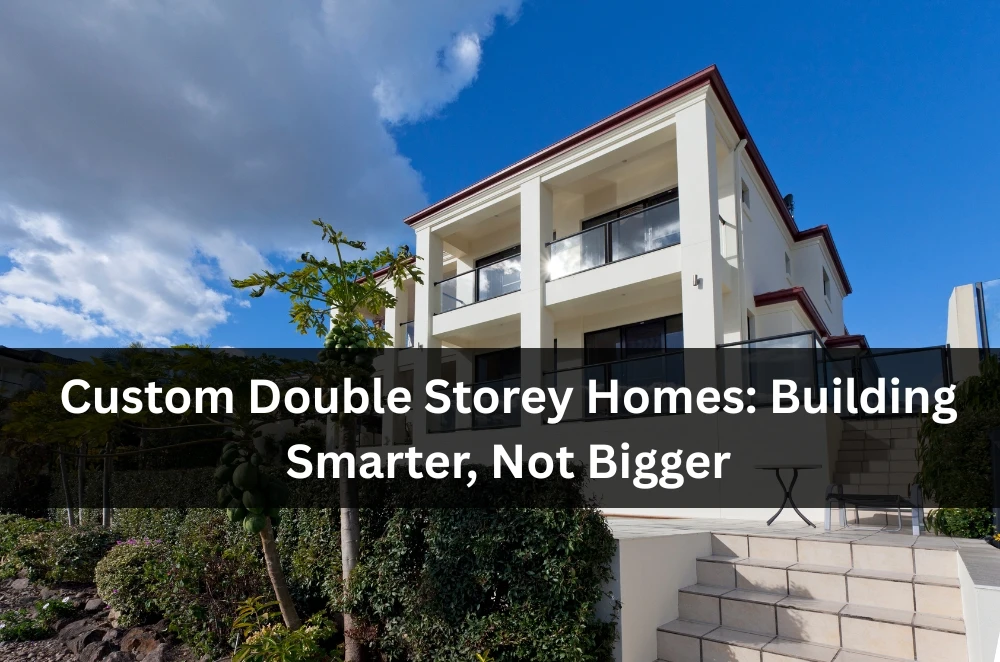

When blocks shrink and families grow, the answer isn’t always “add more house”—it’s design smarter. Thoughtful planning turns vertical metres into real liveability: light where you need it, quiet where you crave it, and storage that absorbs the daily mess. If you’re mapping options in Sydney, start with a builder who treats circulation, structure, and sun as a single puzzle. Exploring double storey home design helps you see how stairs, zoning, and service runs work together so rooms feel generous without pushing the footprint.
Site fundamentals that shape upstairs living
Every great plan begins with the block itself. Orientation, fall, and outlook will quietly decide how comfortable your home feels across seasons.
- Sun path: Map morning and afternoon light to place living zones where they feel bright without heat overload.
- Prevailing breeze: Align openings and hallways to draw cross-ventilation through both levels in warmer months.
- Neighbour views: Use window height and screening to protect privacy while keeping borrowed light.
- Existing trees: Retain shade where practical to cool facades and soften streetscape impact.
A few measured decisions at the site stage prevent costly fixes later—like retrofitting shading or moving windows after framing.
Zoning that calms the daily rush
Two levels make separation simple—if you plan the overlaps. Keep noise, sleep, and storage in balance so life hums along without hallway traffic jams.
- Sleep upstairs: Group bedrooms and a quiet retreat to remove bedtime from the TV zone.
- Living down: Anchor kitchen, dining, and lounge to the garden so indoor–outdoor flow feels effortless.
- Service spine: Stack bathrooms and laundry to shorten pipe runs and simplify maintenance.
- Landing logic: Add a generous top landing for linen, study nook, or a reading bench under a window.
When the plan respects daily patterns—school mornings, shift work, weekend guests—the home feels larger than the plan suggests.
Stairs that are safe, beautiful, and space-smart
The stair is both sculpture and thoroughfare. Treat it as a design element that earns its floorspace.
- Rise and going: Choose comfortable proportions to keep steps consistent and safe for kids and elders.
- Natural light: Pull daylight to the stairwell so both levels feel connected and cheerful.
- Under-stair use: Convert the void to storage, a powder room, or a compact study niche.
- Handrail detail: Specify solid grips and returns to improve safety and add a crafted touch.
Well-placed stairs guide movement, frame views, and give you a useful cavity that absorbs day-to-day clutter.
Structure, acoustics, and materials that last
Going up adds loads and new noise paths. The right structural and material choices protect comfort and value.
- Floor build-up: Select systems that limit bounce and footsteps between levels in busy households.
- Acoustic layers: Add insulation and resilient mounts around bedrooms to dampen TV and kitchen noise.
- Durable finishes: Use scuff-resistant paints and hard-wearing floors on stairs and hallways.
- Service access: Provide hatches where needed so future maintenance doesn’t open ceilings.
Sound control and service planning aren’t glamorous, but they’re the reason a home still feels fresh after its first decade.
Compliance, pattern books, and design quality
Good taste benefits from good rules. NSW guidance turns “nice ideas” into buildable, healthy homes that stand up to scrutiny. Referencing NSW housing design standards keeps proportions sensible, daylight realistic, and amenity tangible.
- Room sizes: Check minimums so furniture fits and circulation stays generous.
- Daylight targets: Balance window area with shading to hit comfort without overheating.
- Ventilation cues: Plan dual-aspect opportunities where blocks allow to improve summer comfort.
- Entry sequence: Create weather cover and sightlines that feel welcoming and practical.
Design quality is easier to defend—with certifiers and with future buyers—when you can show the thinking behind the lines.
Kitchens, laundries, and the service choreography
Daily efficiency hinges on a few compact decisions. Stack services, shorten walks, and make clean-up simple.
- Work triangle: Keep prep, cooktop, and sink within easy reach to reduce steps while cooking.
- Pantry logic: Combine a tall pantry with deep drawers to keep benches clear during busy hours.
- Laundry flow: Place laundry near garden or drying lines to shorten wet-weather gymnastics.
- Mud drop: Provide a drop zone near the entry for bags, shoes, and chargers.
Small conveniences become the difference between a lovely plan and a living plan when the school run collides with dinner.
Facades, setbacks, and neighbourly design
Streetscape matters—so do overshadowing and outlook. You can build presence without dominating the street.
- Upper-level recess: Step the first floor to reduce bulk and create shaded outdoor space.
- Window rhythm: Balance solid wall with glazing so privacy and light both win.
- Material mix: Use durable cladding and honest textures that weather well in coastal conditions.
- Landscape frame: Pair low-maintenance planting with a clear path and sheltered entry.
A calm exterior usually signals a calm plan inside—simple lines, honest materials, and planting that softens edges.
Budget levers that protect value
Spending is a sequence, not a splash. Invest where touch and performance meet; save where fashion dates quickly.
- Structure first: Fund quality framing, stairs, and insulation that you’ll feel every day.
- Wet-area wins: Use reliable membranes and ventilation to avoid costly fixes later.
- Joinery smarts: Choose robust hardware before statement finishes; doors that hang true matter more.
- Lighting layers: Combine general, task, and accent light so rooms flex from work to unwind.
Budgets stretch further when decisions serve function and feel. Trends can rotate; bad acoustics and poor storage linger.
A walk-through example from last quarter
On a narrow Sydney block, we placed living to the north with sliders to a modest deck, then tucked a laundry-mud zone behind the kitchen. Stairs rose along the party wall to pull light from a skylight above, and the top landing grew into a tiny library. Services stacked—bath over powder, bath over laundry—so plumbing runs stayed short. The client’s surprise favourite? Under-stair storage with a power point for vacuum and device charging. The home now breathes better, feels quieter, and hosts more without overflow.
The practical wrap-up (what to prioritise first)
A double storey that lives beautifully starts with the block: sun, breeze, trees, and neighbours. From there, lock zoning so sleep sits away from the TV hub, and keep a service spine that shortens pipes and future headaches. Treat the stair as both sculpture and storage, and build quiet into the structure with floor systems and acoustic layers that make bedtime calm. Let official guidance steer proportions and daylight so certifiers nod and rooms feel good all day. Spend first on the things you touch and the elements that carry loads; save on finishes that are easy to refresh later. If you’re weighing the broader market shift, the rise of double storey homes offers context for why families are building up, not out. Pull those threads together and you’ll land on a plan that looks measured on paper and feels generous in real life—smart, not bigger.






















Sign in to leave a comment.