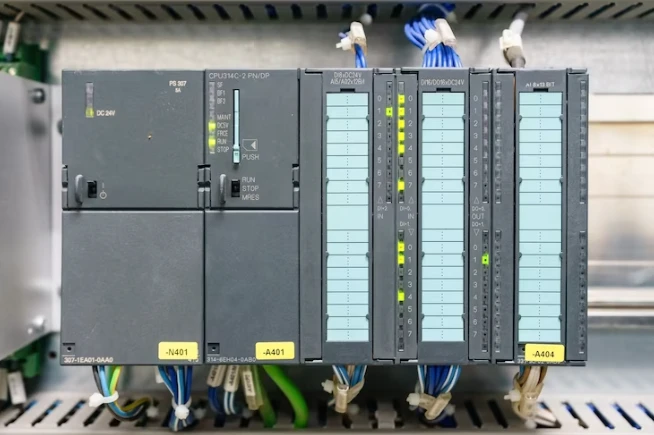

Nothing beats a Custom Plastic Enclosure for safeguarding electronics and other components. Precision manufacturing ensures a snug fit for the electronics inside. The enclosures protect the electronics from dust, dirt, water, and physical damage.
Custom plastic electronic enclosures protect electronic devices in harsh industrial environments and outdoors. In addition to providing a polished appearance and simple identification, they also allow for personalization in color, design, and logo printing or labeling.
The technical specifications, branding requirements, and intended users of the electronic device all inform the design of the enclosures that protect them. This article will explore the uses and advantages of the Custom Plastic Enclosure.
Custom Plastic Enclosure Benefits
Technological Developments in PlasticsOne of the most durable materials is metal. Recently, plastic engineering has caught up to and even surpassed metal in several important ways. Plastics are increasingly competitive with metals because of their durability, versatility, and heat, chemicals, and thermal conductivity resistance. Although plastic won't ever completely replace metal, it's quickly overtaking metal as the preferred material in many industries and markets.
Lighter parts mean cheaper shipping.Weight is a major factor for many construction endeavors. While it's not insurmountable, there are instances when it can make or break a project. Enclosure For a Custom Circuit Board can weigh less than a metal one by substituting or combining multiple metal components with plastic-engineered parts. A business's unit weight has a big financial impact because of the costs involved in shipping, storing, and setting up the product.
Non-ConductiveElectrons cannot travel through plastic. This is especially critical when operating a device in the presence of water or when an electrical power outage is a concern. A plastic electronic enclosure adds a layer of protection for the end user by keeping electrical components and connections safe.
NMR Technology Shortens Production TimesEven though speed isn't always preferable, there are times when it can make or break a company. Producing plastic components is analogous to making metal ones, with short cycle times and high throughput. The benefits, such as reduced production times, are clear when comparing NMR Technology to conventional plastic molds.
Plastic enclosures can help cut expenses.Plastic enclosures' ability to reduce costs is their most important quality. The world's great products will only matter if they are priced competitively. The narrowing profit margins of businesses in a fiercely competitive market have put more pressure on engineers and designers to produce well-made, reasonably priced products. Switching to an Enclosure For a Custom Circuit Board can save costs because it is a more economical raw material than metal.
Utilisation Cases for Plastic Enclosures
Plastic is a widely used material worldwide. Custom plastic enclosures are ubiquitous in many fields due to their durability, adaptability, and low cost. Let's explore these enclosures many uses:
Telecommunications and electronics: Custom plastic enclosures play a crucial role in shielding electronics from dust, moisture, and heat in devices ranging from smartphones to routers. Their insulating properties make them perfect for protecting circuit boards and other sensitive components from electrical shock.Medical Equipment: The medical industry places a premium on long-lasting, sanitary equipment. Heart rate monitors, blood pressure monitors, and even more complex devices like MRI machines use custom plastic enclosures. They guarantee that equipment can withstand chemicals and is easy to clean.Automation in Manufacturing: Industries that run machinery around the clock require heavy-duty enclosures. Protected from oil, dust, and heat, electronic components like controllers and switches can function reliably and efficiently within custom plastic enclosures.Convenience Items: Plastic enclosures are common in electronics and appliances used in daily life. Their malleability and low weight make them ideal for various consumer products.Camping Gear: Custom plastic enclosures are a great way to protect outdoor equipment like gardening tools and swimming pool accessories from water and ultraviolet light. They make sure that machinery lasts for a long time, even when subjected to extreme conditions.Security Systems for the Home: Security cameras, alarms, and other devices must be invisible and long-lasting. Protective housings that are aesthetically pleasing and functional are hard to come by, but custom plastic enclosures meet this need.Manufacturing Cars: There are a lot of electronic parts in cars and other vehicles. Custom plastic enclosures play an essential role in the reliable operation of vehicles by shielding sensitive parts from the elements, heat, and physical damage.The Power and Energy Industry: Custom plastic enclosures are useful for solar inverters, battery storage, and other energy-related devices. They shield the gadgets from the elements and keep them working in various conditions.The Seafaring Market: Saltwater and severe weather are constant enemies of any equipment in the marine environment. Plastic housings prevent corrosion of vital parts, keeping devices operational even in harsh conditions.Tools for the Farm: Irrigation and crop monitoring are examples of how modern farms rely on electronics. Custom plastic housings protect the electronics from dust, moisture, and other hazards in agricultural settings.Conclusion
Because of their versatility and durability, Custom Plastic Enclosure is useful in various fields. They are essential in today's technologically advanced society because they safeguard expensive parts and lengthen the useful life of devices. These housings' need for and importance will grow as industries advance and adopt more complex electronic components.


























Sign in to leave a comment.