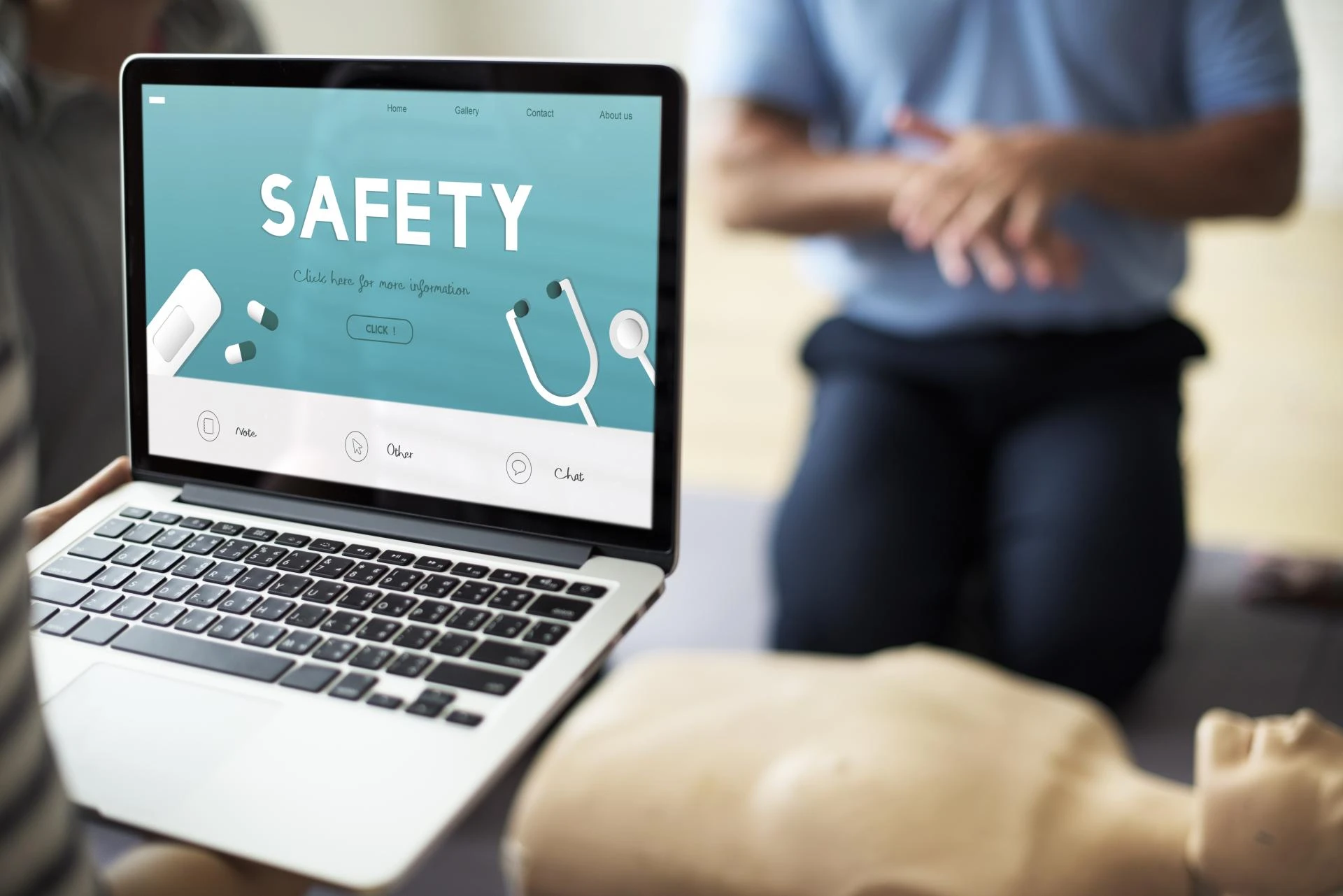

Healthcare solutions have become increasingly digital, allowing medical institutions to streamline patient care, improve data management, and enhance efficiency. However, with this rapid technological advancement comes the heightened risk of cyber threats targeting sensitive patient information. Hospitals, clinics, and healthcare providers are prime targets for cybercriminals due to the vast amounts of electronic health records (EHRs), financial details, and confidential medical histories they store.
According to a 2025 cybersecurity report by IBM, healthcare organizations remain the most targeted sector for cyberattacks, with ransomware incidents increasing by 30% compared to previous years. Given the growing risks, healthcare providers must adopt robust cybersecurity strategies to protect patient data, ensure compliance with regulations such as HIPAA and GDPR, and maintain operational integrity.
Key Cybersecurity Threats Facing Healthcare
1. Ransomware Attacks
Ransomware attacks occur when cybercriminals encrypt a healthcare provider’s data and demand payment for its release. These attacks can halt hospital operations, delay patient treatments, and compromise medical records, risking patient safety.
2. Phishing Scams
Phishing attacks use fraudulent emails or messages to trick healthcare employees into disclosing login credentials, clicking malicious links, or downloading malware. These scams can lead to unauthorized access to patient records, financial data, and internal networks.
3. Insider Threats
Not all cyber threats come from external hackers. Disgruntled employees, contractors, or third-party vendors with access to healthcare systems can intentionally or accidentally expose sensitive data, leading to compliance violations and legal repercussions.
4. IoT Device Vulnerabilities
Modern healthcare relies on Internet of Things (IoT) devices, such as remote monitoring systems, smart infusion pumps, and wearable health trackers. These devices often have weak security protocols, making them an easy target for hackers looking to infiltrate a hospital’s network.
Best Practices for Strengthening Healthcare Cybersecurity
1. Implement Strong Access Controls
Healthcare organizations should adopt multi-factor authentication (MFA) and role-based access control (RBAC) to ensure that only authorized personnel can access sensitive data. Restricting user permissions minimizes the risk of accidental data leaks or unauthorized access.
2. Encrypt Patient Data
Data encryption ensures that even if cybercriminals gain access to medical records, they cannot read or use the information. Encrypting data in transit and at rest protects patient confidentiality and strengthens compliance with HIPAA, GDPR, and other regulatory frameworks.
3. Regular Security Audits and Risk Assessments
Conducting frequent cybersecurity audits helps identify vulnerabilities, outdated software, and compliance gaps before they can be exploited. Healthcare providers should implement continuous monitoring solutions to detect and respond to threats in real time.
4. Train Employees on Cybersecurity Awareness
Human error is one of the biggest causes of data breaches in healthcare. Regular cybersecurity training programs should educate staff on phishing prevention, password security, and data handling best practices to reduce the risk of insider threats.
5. Secure IoT and Medical Devices
Healthcare organizations must ensure that IoT medical devices have up-to-date security patches, strong passwords, and network segmentation to prevent hackers from using these devices as entry points into hospital systems.
6. Establish a Data Backup and Recovery Plan
A disaster recovery strategy ensures that healthcare providers can quickly restore critical data and resume operations during a cyberattack. Cloud-based backup solutions provide automated, secure patient records and medical data storage.
The Role of a Cyber Security Managed Services Provider in Healthcare
As cyber threats become more sophisticated, healthcare providers cannot manage cybersecurity alone. Partnering with a cyber security managed services provider ensures 24/7 monitoring, advanced threat detection, and rapid incident response to protect sensitive patient data from evolving threats.
At TronsIT Solutions, we specialize in providing healthcare-focused cybersecurity solutions that help medical institutions safeguard their networks, comply with industry regulations, and mitigate cyber risks. Whether you need real-time threat detection, encrypted data storage, or security awareness training, TronsIT Solutions delivers comprehensive cybersecurity protection for the healthcare industry. Contact us today to secure your healthcare systems!

























Sign in to leave a comment.