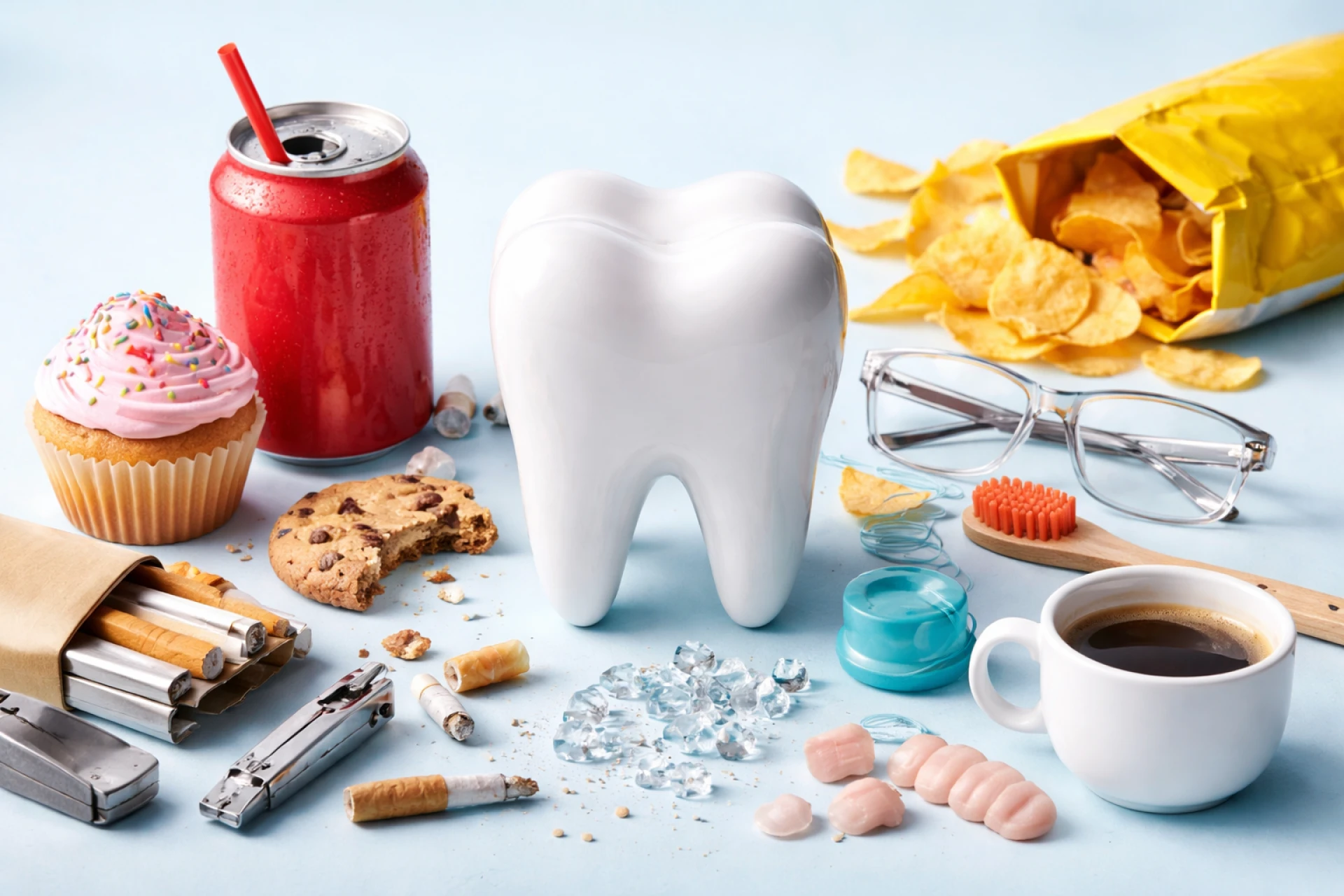

Most people think cavities and gum disease happen only because of poor brushing. In reality, many everyday habits quietly weaken teeth and irritate gums over time. Some habits seem harmless but can slowly wear enamel, cause sensitivity, and increase the risk of decay.
Understanding these habits can help you protect your teeth and avoid unnecessary dental treatments.
1. Brushing Too Hard
Brushing aggressively does not clean teeth better. Hard brushing can wear down enamel and damage the gum line.
Dentists usually recommend using a soft bristle toothbrush and gentle circular motions to clean teeth effectively without harming the enamel.
2. Frequent Snacking
Constant snacking keeps acids active in the mouth for longer periods. Each time you eat, bacteria produce acids that weaken enamel.
Frequent snacking increases the risk of cavities, especially when sugary or starchy foods are involved.
Tip: Try to keep structured meal times and limit sugary snacks between meals.
3. Drinking Sugary or Acidic Beverages Often
Soft drinks, energy drinks, sports drinks, and even fruit juices can erode enamel when consumed frequently.
Acid weakens enamel while sugar feeds cavity causing bacteria. Over time this combination leads to tooth decay and sensitivity.
Drinking water after acidic drinks can help reduce the impact.
4. Using Teeth as Tools
Many people use their teeth to open packages, tear plastic, or bite bottle caps.
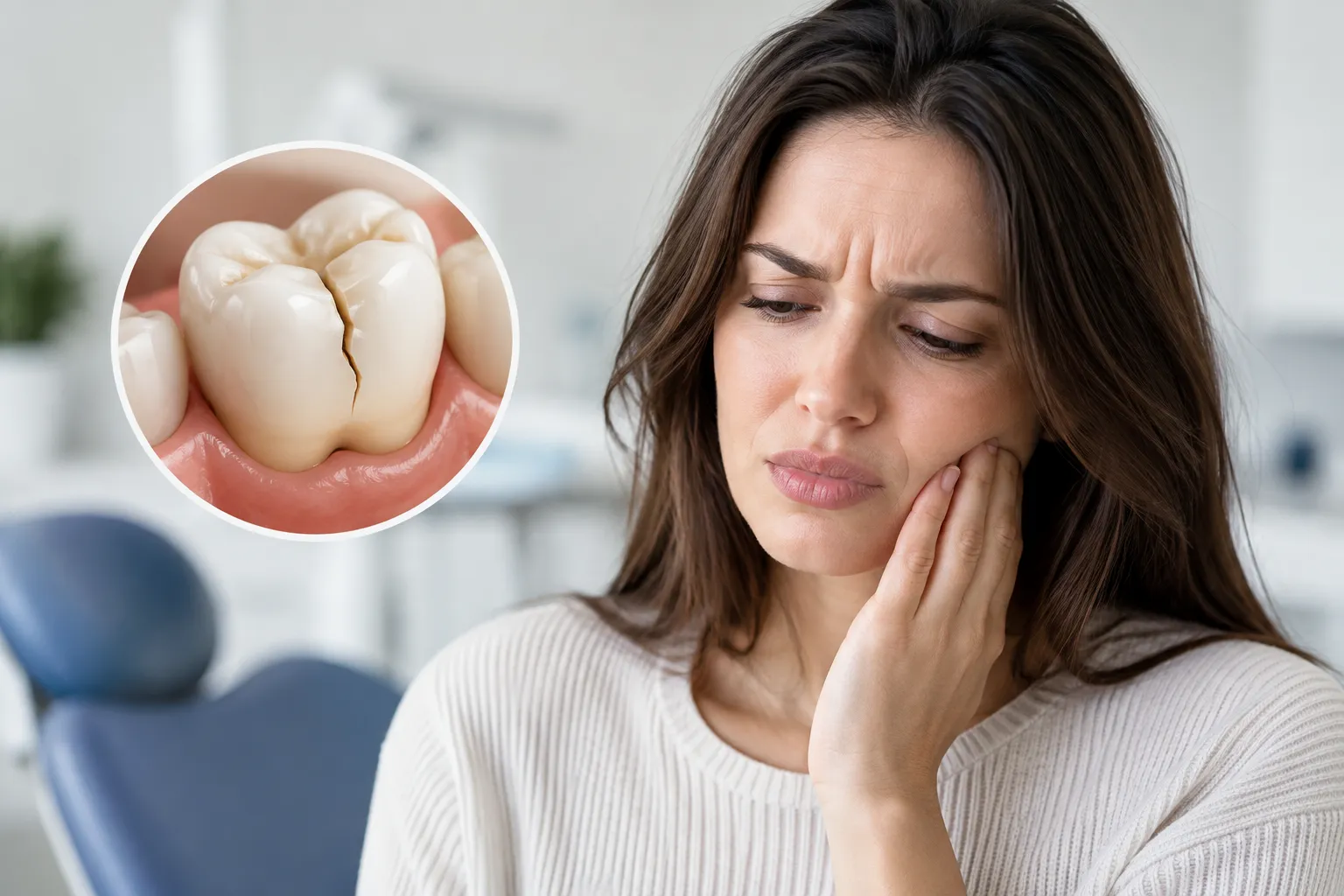
This habit can cause chips, cracks, or even fractures in the teeth. Teeth are designed for chewing food, not opening objects.
5. Nail Biting
Nail biting places pressure on the front teeth and may cause them to shift or chip. It also introduces bacteria into the mouth.
Over time, this habit can affect both tooth alignment and oral hygiene.
6. Grinding or Clenching Teeth
Teeth grinding, also known as bruxism, often happens during sleep or stress.
This habit slowly wears down enamel and may cause jaw pain, headaches, and tooth sensitivity. Dentists often recommend night guards to protect teeth from grinding damage.
7. Skipping Flossing
Brushing alone cannot remove plaque between teeth.
Food particles trapped between teeth allow bacteria to grow and increase the risk of gum disease and cavities in areas your toothbrush cannot reach.
Daily flossing helps keep these hidden areas clean.
8. Chewing Ice
Ice may seem harmless, but chewing hard ice can crack enamel or damage dental restorations such as fillings or crowns.
It can also increase tooth sensitivity.
9. Smoking or Using Tobacco
Tobacco products contribute to several oral health problems including:
- Gum disease
- Tooth discoloration
- Persistent bad breath
- Increased risk of oral cancer
Quitting tobacco significantly improves long term oral health.
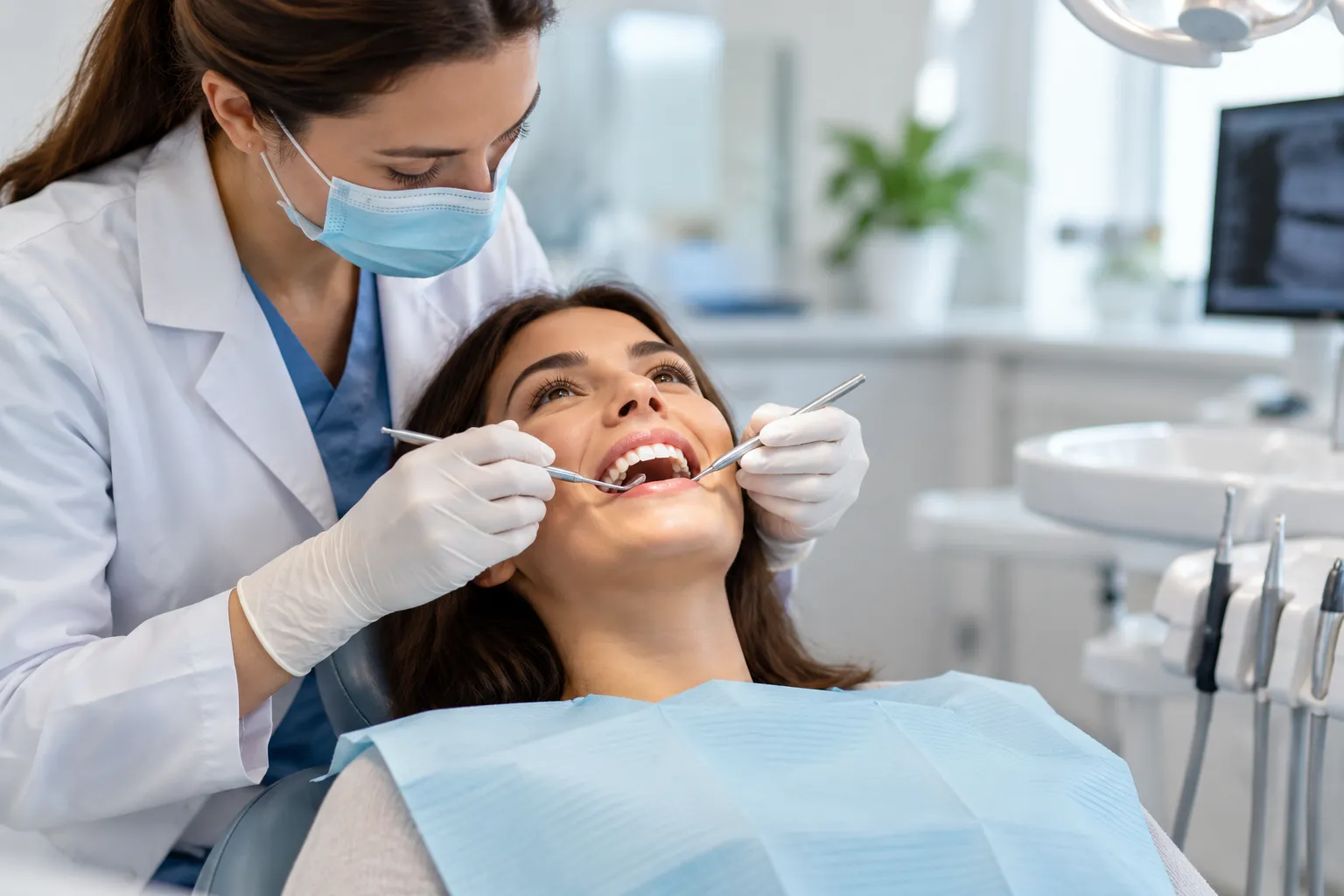
10. Ignoring Regular Dental Checkups
Small dental issues often develop without noticeable pain.
Regular dental visits help detect problems early and prevent minor issues from becoming major treatments.
Most dentists recommend professional checkups every six months, depending on individual oral health needs.
Protecting Your Teeth Starts with Small Changes
Many dental problems are linked to everyday habits rather than sudden damage. By adjusting small behaviours such as brushing technique, snacking habits, and routine dental visits, you can significantly reduce the risk of cavities and gum disease.
Healthy teeth depend not only on brushing and flossing, but also on consistent daily habits that protect enamel and gums over time.


























Sign in to leave a comment.