
Introduction
There is a saying among Nepali porters and trekkers that echoes across every teahouse from Besisahar to Muktinath: "Dal Bhat power, 24 hour." It is not just a catchy phrase — it is a nutritional truth backed by science, centuries of tradition, and the lived experience of thousands of trekkers who have conquered the legendary Annapurna Circuit Trek.
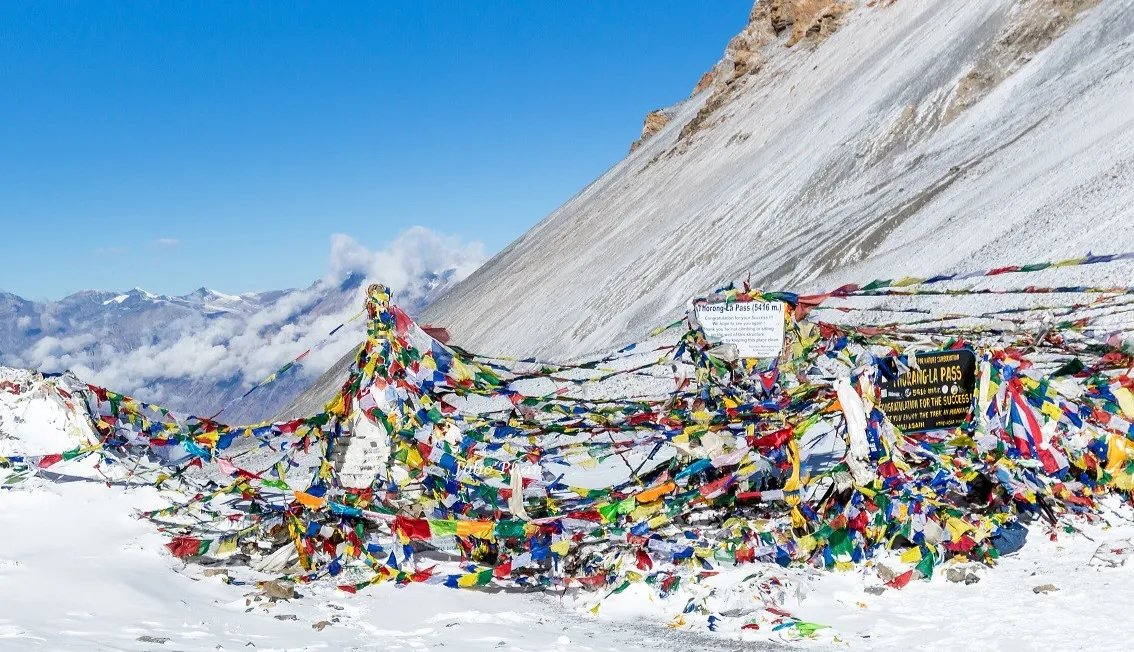
The Annapurna Circuit Trek is one of the world's greatest trekking routes, stretching approximately 160 to 230 kilometers through the heart of the Nepalese Himalayas. It crosses the breathtaking Thorong La Pass at 5,416 meters above sea level, winds through subtropical forests, terraced farmlands, arid high-altitude deserts, and ancient Tibetan-influenced villages. Every single step of this journey demands extraordinary physical and mental endurance.
And at the center of it all — fueling the legs that climb, the lungs that gasp, and the spirits that persevere — is a humble bowl of dal bhat.
This article dives deep into the nutritional science behind dal bhat, how it powers trekkers through the Annapurna Circuit, and how you can prepare your body before you even set foot on the trail.
What Is Dal Bhat? A Trekker's Superfood Explained
Dal bhat is Nepal's national dish and daily staple. At its core, it is beautifully simple: dal (lentil soup) served over bhat (steamed rice), accompanied by a rotating cast of sides including tarkari (vegetable curry), achar (pickle), saag (leafy greens), and sometimes a small portion of meat or egg.
What makes dal bhat extraordinary is not any single ingredient — it is the complete, balanced nutritional profile that emerges when these components combine.
A standard dal bhat meal served in teahouses along the Annapurna Circuit typically includes:
- Steamed white or red rice (200–300g)
- Lentil soup made from masoor, moong, or toor dal
- Seasonal vegetable curry (potato, cauliflower, spinach, or pumpkin)
- Fresh pickle (tomato or radish achar)
- Papad (crispy lentil wafer)
- Unlimited refills — the most important feature of all
The unlimited refill culture of dal bhat is not just hospitality. It is nutritional strategy. Trekkers burn between 3,000 and 5,000 calories per day on the Annapurna Circuit, and dal bhat's refillable nature allows the body to replenish continuously.
The Nutritional Science Behind Dal Bhat
Complex Carbohydrates — Sustained Energy at Altitude
Rice is the engine of dal bhat. As a complex carbohydrate, rice breaks down gradually in the digestive system, releasing glucose into the bloodstream at a steady, controlled rate. This is critically important at altitude, where the body is already under metabolic stress.
At elevations above 3,500 meters, the body's glucose demand increases sharply. The brain alone consumes roughly 20% of the body's glucose, and at altitude — with reduced oxygen availability — the brain and muscles compete harder for available energy. Simple sugars (like energy bars or sugary snacks) cause rapid blood sugar spikes followed by crashes, leaving trekkers sluggish and mentally foggy at precisely the moments they need focus and endurance.
Rice delivers energy over a 2–3 hour window, making it ideal for long trekking days that often last 6–8 hours.
Plant Protein — Muscle Repair and Recovery
Lentils are among the most protein-dense plant foods available. A single cup of cooked lentils provides approximately 18 grams of protein, along with essential amino acids necessary for muscle repair. After a grueling descent from Thorong La or a long ascent through the Manang Valley, muscle fibers are broken down and need rebuilding.
The protein in dal works in harmony with the rice. Rice is low in the amino acid lysine; lentils are rich in it. Lentils are low in methionine; rice provides it. Together, they form a complete protein profile — one that rivals animal protein sources. This complementary amino acid relationship is one of the oldest nutritional partnerships in human food history, practiced instinctively by Himalayan communities for thousands of years before nutritional science confirmed the biology.
Iron and Altitude Performance
Altitude reduces the blood's ability to carry oxygen. The body responds by producing more red blood cells — but this process requires iron. Lentils are an excellent source of non-heme iron, and when paired with the tomato achar (rich in Vitamin C), iron absorption increases significantly. This synergy between iron and Vitamin C in a typical dal bhat meal is not coincidental — it is a beautifully evolved food pairing.
For trekkers ascending toward Thorong La, adequate iron levels can make a measurable difference in oxygen-carrying capacity and overall performance.
Electrolytes — The Hidden Altitude Weapon
Altitude sickness, muscle cramps, and fatigue are often worsened by electrolyte imbalances. Trekkers sweat, breathe hard, and urinate more frequently at altitude — all of which deplete sodium, potassium, and magnesium.
Dal bhat naturally replenishes all three. The lentil soup contains sodium from seasoning. Vegetables like spinach, potato, and pumpkin are rich in potassium. The combination of legumes and greens provides magnesium. No electrolyte tablet needed — the meal itself acts as a natural rehydration and mineral replenishment system.
Fiber — Digestive Health at High Altitude
Altitude disrupts digestion. Reduced oxygen availability slows gastrointestinal motility, and many trekkers experience constipation, bloating, or nausea on the trail. The dietary fiber in lentils, vegetables, and achar supports healthy gut function, reduces bloating, and keeps the digestive tract moving even when the body is under altitude stress.
Anti-Inflammatory Properties
The spices used in dal bhat — turmeric, ginger, garlic, cumin, and coriander — are powerful anti-inflammatory agents. Curcumin in turmeric reduces muscle soreness and joint inflammation. Ginger eases nausea, which is common at altitude. Garlic has blood-thinning properties that may support circulation in low-oxygen environments.
These are not incidental flavor additions. They are medicinal ingredients that Ayurvedic and traditional Himalayan medicine has used for centuries.
Dal Bhat vs. Western Trekking Food: Why Local Wins
Many international trekkers arrive on the Annapurna Circuit loaded with energy bars, protein powders, freeze-dried meals, and trail mix. While these have their place, a direct comparison with dal bhat reveals why experienced guides and porters almost universally prefer the local option.
| Nutrient Category | Dal Bhat | Energy Bar | Freeze-Dried Meal |
|---|---|---|---|
| Complex Carbs | High | Medium | Medium |
| Complete Protein | Yes (complementary) | Partial | Yes |
| Natural Electrolytes | Yes | Limited | Limited |
| Anti-inflammatory | Yes (spices) | No | No |
| Fiber | High | Low | Low |
| Cost on Trail | Low | High | Very High |
| Refillable | Yes (unlimited) | No | No |
| Digestibility at Altitude | Excellent | Variable | Variable |
The verdict is clear: for sustained energy, nutritional completeness, altitude adaptation, and cost-effectiveness, dal bhat is the superior trekking fuel.
How Dal Bhat Fuels the Iconic Stages of the Annapurna Circuit
Besisahar to Chamje (Days 1–2) — The Warm-Up
The early days of the circuit are lush, humid, and moderately demanding. Dal bhat eaten at lower elevations (800–1,400m) provides full nutritional benefit with maximum digestibility. Trekkers can eat heartily, building glycogen stores in muscles and liver — a strategy nutritionists call "carbohydrate loading" — for the harder days ahead.
Manang Valley (Days 5–7) — Acclimatization Stage
At 3,500m, Manang is where the altitude begins to assert itself. Many trekkers spend two rest days here to acclimatize. Dal bhat's iron content and electrolytes support red blood cell production and fluid balance during this critical adaptation window. Light, warm meals at this stage are preferable to heavy Western food.
Thorong La Pass (Day 8–9) — The Summit Challenge
This is the Annapurna Circuit's defining moment. Trekkers leave Thorong Phedi (4,450m) in the early hours — often 3:00 to 5:00 AM — to summit Thorong La (5,416m) before afternoon winds arrive. A warm bowl of dal bhat or rice porridge before the ascent provides the carbohydrate foundation for a 5–7 hour climb in thin, cold air.
Porters who cross Thorong La regularly — sometimes multiple times a week — almost never eat energy bars or gels before the crossing. They eat dal bhat.
Muktinath to Jomsom (Days 10–11) — Wind and Descent
The descent through the Kali Gandaki Gorge — the world's deepest valley — into Jomsom is famously windy and mentally taxing. Legs are tired from the pass crossing, and motivation can wane. A generous dal bhat lunch with extra lentil soup is a physical and psychological reset.
Tatopani to Nayapul (Days 12–15) — The Final Push
The final stretch through subtropical forests and terraced villages demands consistent energy for long walking days. Dal bhat continues to deliver, its nutrient profile keeping trekkers strong through the last kilometers.
Preparing Your Body for the Annapurna Circuit Trek
Preparing Your body for Annapurna Circuit Trek is one of the most important steps before beginning this incredible Himalayan journey. The trek includes long walking hours, steep uphill climbs, rugged mountain trails, and high-altitude conditions that require good physical fitness and stamina. By improving your cardiovascular endurance, leg strength, and overall fitness in advance, you can make the trek safer, more comfortable, and far more enjoyable while reducing the chances of exhaustion or injury along the way.
1. Build Cardiovascular Endurance (12 Weeks Before)
The Annapurna Circuit demands a strong aerobic base. Begin a structured cardio program at least three months before your trek. Running, cycling, swimming, and stair climbing are all excellent preparation activities.
Aim for progressively increasing weekly mileage. By week ten, you should be comfortable with 1.5 to 2-hour aerobic sessions at moderate intensity. Your heart and lungs will thank you when you are climbing at 4,500 meters with half the normal oxygen supply.
Incorporate incline training. Treadmill inclines, hill running, or stair climbing specifically prepares the quadriceps, calves, and glutes for the relentless uphill terrain of the circuit. If you live near hills or mountains, hike them regularly with a loaded pack.
2. Strength Training for the Trail (10 Weeks Before)
Trek-specific strength training targets three key areas: legs, core, and posterior chain.
For legs, focus on squats, lunges, step-ups, and single-leg exercises. These mimic the biomechanics of uphill and downhill trekking. Strong quads and hamstrings protect the knees during the long descents from Thorong La, which are notoriously hard on joints.
Core strength is underestimated by most trekkers. A strong core stabilizes the spine when carrying a pack, maintains posture over 8-hour days, and reduces lower back fatigue. Planks, dead bugs, bird dogs, and pallof presses build functional trail strength.
Train the posterior chain — glutes and hamstrings — to prevent knee strain on descents. Romanian deadlifts, hip thrusts, and glute bridges are highly effective.
3. Altitude Pre-Acclimatization (If Possible)
If you have access to high-altitude environments before your trek, use them. Spending weekends at 2,000–3,000 meters in the weeks before departure gives your body a head start on red blood cell production and altitude adaptation.
If altitude training is not accessible, consider sleeping tents with altitude simulation, available through some sports performance centers. Research also suggests that interval training — high-intensity bursts with short recovery — can improve VO2 max, the key measure of oxygen utilization efficiency, which directly impacts high-altitude performance.
4. Nutrition Preparation — Eat Like You Will Trek
In the 4–6 weeks before your trek, shift your diet toward the nutritional profile of dal bhat. Increase your intake of complex carbohydrates (rice, oats, sweet potato, quinoa), plant proteins (lentils, beans, chickpeas), leafy greens, and anti-inflammatory foods (turmeric, ginger, berries).
Reduce your reliance on processed foods, refined sugars, and excessive animal fats, which can contribute to digestive sluggishness at altitude. Prioritize iron-rich foods combined with Vitamin C sources to build iron stores before departure.
Practice eating larger rice-based meals. Many Western trekkers find it uncomfortable to eat the volume of carbohydrates that dal bhat delivers, especially at breakfast. Training your gut to handle larger carbohydrate loads before the trek will reduce GI discomfort on the trail.
5. Hydration Discipline
Dehydration is one of the leading contributors to altitude sickness and fatigue on the Annapurna Circuit. Begin building strong hydration habits weeks before you depart.
Aim for 2.5 to 3.5 liters of water daily during training. On the trek itself, drink consistently throughout the day — not just when thirsty. At altitude, the thirst mechanism can be suppressed, making it easy to unknowingly become dehydrated.
Include electrolyte supplementation (natural or tablet-based) on heavy training days to prepare the body for high-altitude electrolyte management.
6. Weight Management and Pack Training
Every kilogram of body weight and pack weight adds to the cumulative load on your knees, hips, and ankles over hundreds of kilometers. If weight loss is a personal health goal, the 10–12 weeks before a major trek is an appropriate time to work toward a healthy body composition through sustainable nutrition and exercise — not crash dieting.
Pack training is non-negotiable. Begin your cardio and hiking sessions with your actual trekking pack, loaded to your target trail weight (typically 7–10kg). Carrying weight changes your gait, balance, and fatigue profile significantly. Train with the pack so your body adapts before the trail.
7. Mental Preparation
The Annapurna Circuit is as much a mental challenge as a physical one. Days 8 and 9 — the Thorong La crossing — are psychologically demanding. Darkness, cold, altitude, and exhaustion combine in ways that test character.
Practice mindfulness and breathing exercises. Learn to regulate your breathing under exertion. Visualize difficult sections and your response to them. Read trip reports and understand what the hardest moments typically look and feel like, so they do not arrive as surprises.
Develop a "one step at a time" mental strategy for the hardest climbs. This is not a cliché — it is a cognitively effective way to manage overwhelming challenges by reducing them to manageable micro-goals.
Practical Tips for Eating Dal Bhat on the Trail
Always order dal bhat at established teahouses with high turnover — freshly cooked food is safer and tastier. Accept the refills. You are burning more calories than you think. Eat a warm breakfast before early morning starts, even if appetite is low at altitude. Listen to your body; at altitude, loss of appetite is common and normal. Prioritize eating even when not hungry, especially during acclimatization days. Pair dal bhat with warm ginger tea or lemon honey tea, both of which support digestion and provide additional anti-nausea and warming benefits.
Conclusion: More Than a Meal
Dal bhat is not merely food. On the Annapurna Circuit Trek, it is a ritual, a comfort, a cultural bridge between trekker and the communities that sustain them, and — as this deep dive into the science confirms — a remarkably complete nutritional system engineered by centuries of Himalayan ingenuity.
The mountains of the Annapurna region are indifferent to how many gels you carry or how advanced your nutrition supplements are. What they respect is preparation, humility, and the kind of slow, sustained energy that only comes from eating the way the land has always demanded.
So when you sit down at a wooden teahouse table with Annapurna rising behind you, and a steaming brass plate of dal bhat is set before you — know that you are eating the right thing. Eat it fully. Eat it gratefully. Ask for the refill.
Dal bhat power. 24 hour.






















Sign in to leave a comment.