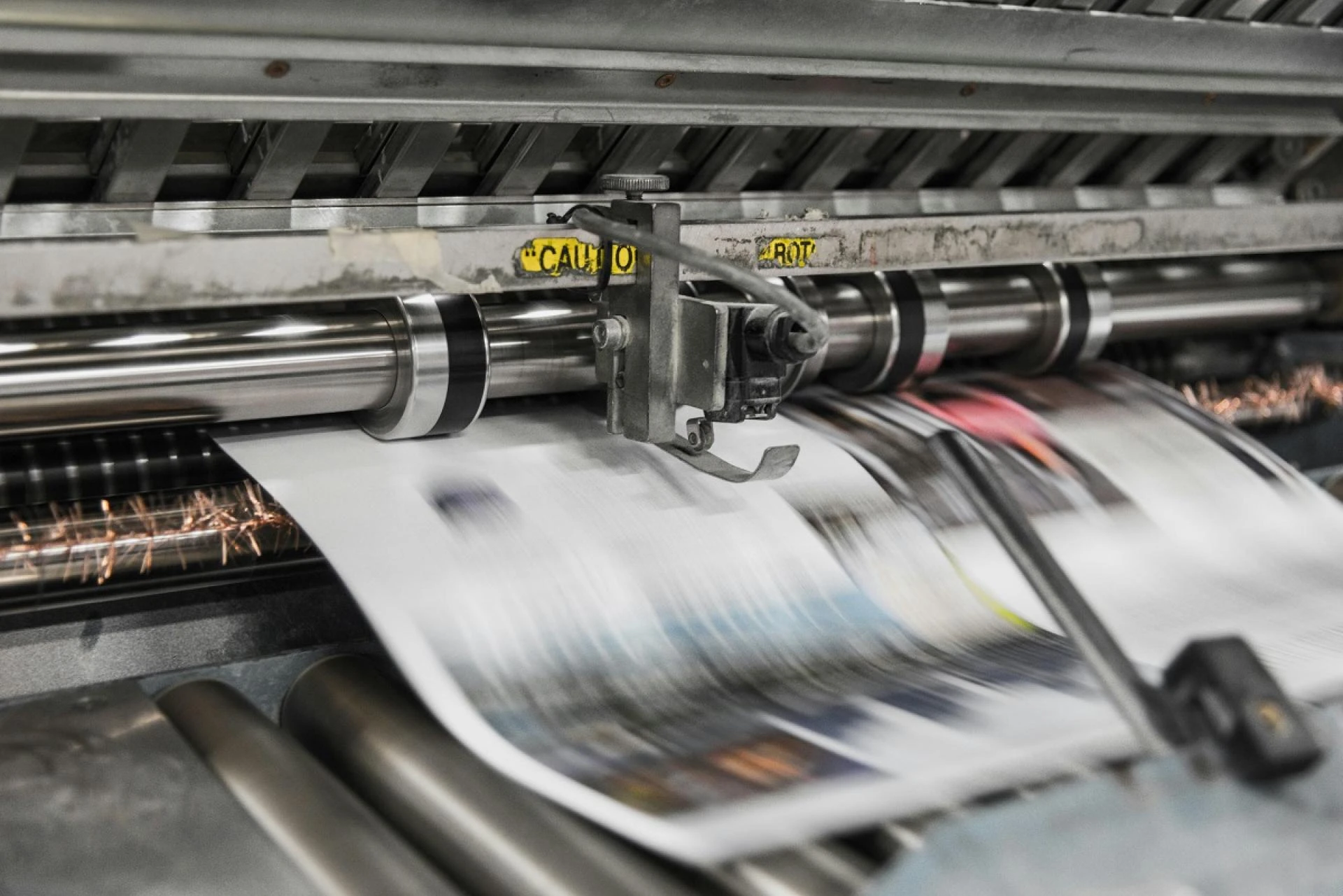

In the dynamic world of printing technologies, Direct-to-Film (DTF) printing has emerged as a game-changer, offering a versatile and efficient solution for a wide range of applications. As businesses and individuals explore the possibilities of DTF, selecting the right printer becomes a crucial decision. In this comprehensive guide, we will decode the intricacies of DTF printing and provide insights into choosing the best DTF printer to meet your unique needs.
Understanding DTF Printing
DTF printing involves transferring designs directly onto a film, which is then applied to various surfaces, including fabrics, garments, and more. The process combines the benefits of both direct-to-garment (DTG) and screen printing, offering vibrant colors, detailed prints, and the ability to reproduce intricate designs.
Key Considerations for DTF Printers
Print Resolution and Quality:
DTF printing demands precision, and the print resolution of your chosen printer is paramount. Look for a printer with high dpi (dots per inch) capabilities to ensure sharp and detailed prints. This is especially crucial for intricate designs or images with fine details.Ink Compatibility:
DTF printers use specific types of inks designed for film transfer. Ensure that the printer you choose is compatible with DTF inks. Additionally, consider the availability of different ink sets to cater to a variety of materials and substrates.Size and Format:
The size of the printer's printing area determines the maximum dimensions of your prints. Assess your typical printing requirements and choose a printer that accommodates the sizes you commonly work with. Additionally, check if the printer supports various formats to enhance flexibility in your printing projects.Ease of Use and Maintenance:
A user-friendly interface and straightforward maintenance are essential for a smooth printing experience. Look for printers with intuitive controls, easy ink refilling systems, and automated maintenance features. This not only enhances efficiency but also reduces downtime.Speed and Throughput:
Consider the speed at which the printer can produce prints. Faster printing speeds are advantageous for high-volume projects. However, balance this with the need for maintaining print quality, as faster speeds may sometimes compromise on resolution.Compatibility with Design Software:
Ensure that the DTF printer is compatible with the design software you use. This ensures a seamless workflow from designing to printing, minimizing any potential compatibility issues.Top DTF Printers in the Market
Epson SureColor F570 DTF Edition:
Known for its high-quality prints and user-friendly features, the Epson SureColor F570 DTF Edition is a reliable choice for small to medium-sized businesses. It offers versatility in handling various materials and comes equipped with Epson's renowned PrecisionCore technology.DTF M6 Industrial Direct to Film Printer:
The DTF M6 is designed for industrial-level printing, offering high-speed production capabilities without compromising on print quality. Its robust build and advanced features make it suitable for businesses with large-scale printing requirements.Mimaki UJF-7151 Plus DTF Printer:
Mimaki is a well-established name in the printing industry, and the UJF-7151 Plus DTF Printer lives up to the reputation. It excels in producing vibrant, high-resolution prints on diverse substrates, making it a versatile choice for businesses with varied printing needs.The Decision-Making Process
Choosing the best DTF printer involves a careful evaluation of your specific requirements, budget considerations, and an understanding of the features offered by different models. Before making a decision, it is advisable to:
Read Reviews and Testimonials:
Gain insights from other users who have experience with the printer model you are considering. User reviews and testimonials provide valuable real-world perspectives on the printer's performance, reliability, and ease of use.Explore Technical Support and Warranty:
Ensure that the manufacturer provides robust technical support, and check the warranty terms. A reliable support system can be invaluable in resolving issues promptly and maintaining the longevity of your printer.Consider Long-Term Costs:
Evaluate the long-term costs associated with the printer, including ink expenses, maintenance, and potential upgrades. A printer that offers cost-effective solutions in the long run adds value to your investment.Conclusion: Empowering Your Printing Journey
In conclusion, decoding DTF and choosing the best printer for your needs involves a careful analysis of your printing requirements, the features offered by different models, and an understanding of the capabilities of the printers available in the market. By considering factors such as print resolution, ink compatibility, size, ease of use, and speed, you can empower your printing journey and unlock the full potential of DTF technology. Whether you're a small business venturing into DTF printing or an established enterprise looking to upgrade, the right printer is the key to achieving vibrant, high-quality prints that meet and exceed your expectations.
For More interesting content Visit Powerpostnow daily.



























Sign in to leave a comment.