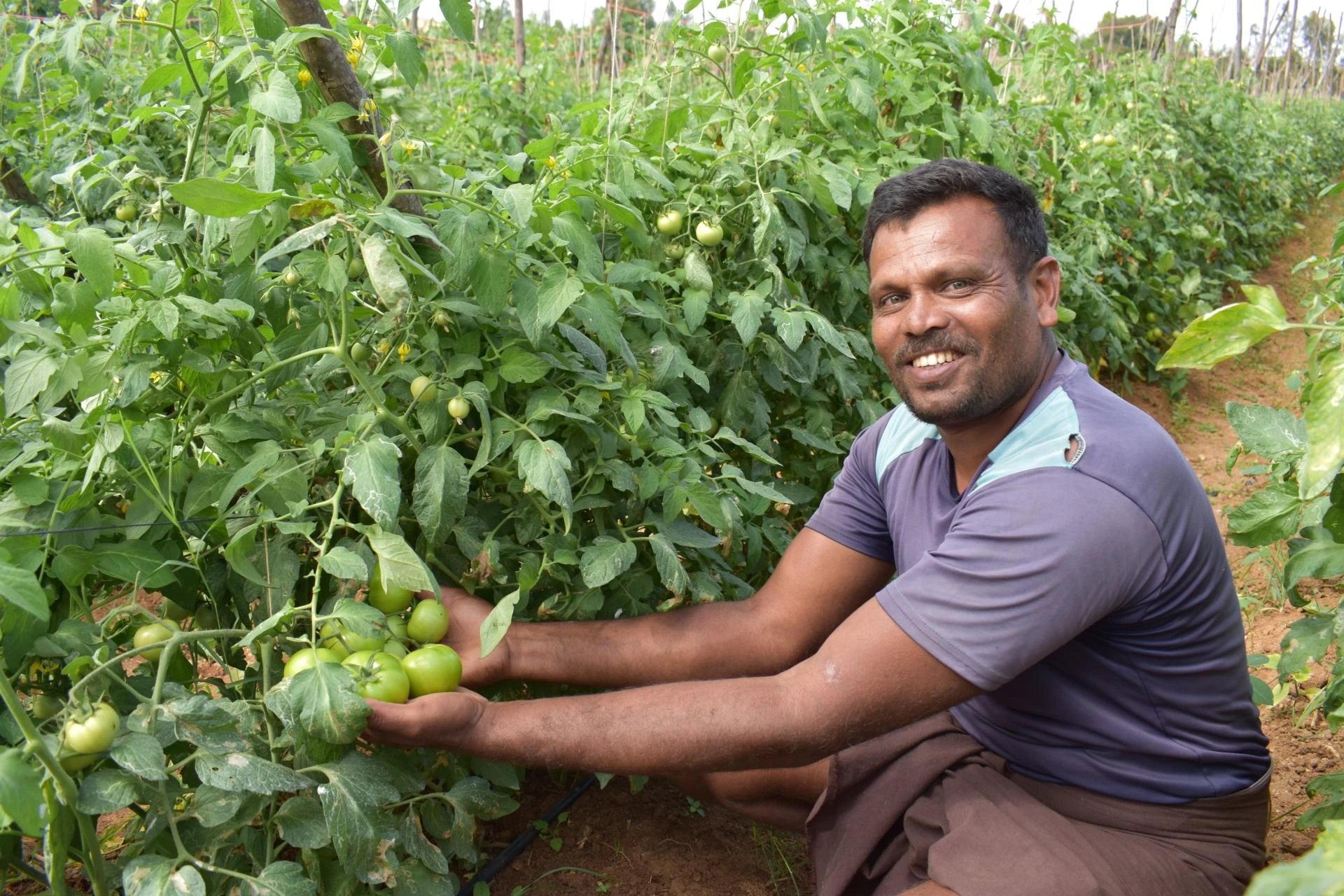

Crops are an essential part of our food, almost everything we eat comes from nature in one form or the other, for better and sustainable crops that could feed 8 billion people on this earth we need better soil health as it is of paramount importance. This article looks at various aspects and how better soil management for better crop yields and production can be done so that it does not put stress on us as well as our future generations.
What is soil health?
Soil health is the range of soil to perform as a vital living ecosystem that sustains flora and fauna. Healthy soil supports plant growth, resists erosion, good water storage, and serves as a rich habitat for various types of organisms.
Healthy soil is the foundation of a healthy ecosystem. Understanding the key characteristics of healthy agriculture is important for better land management and better conservation.
The key characteristics of a healthy soil are:
- High organic matter
- Good structure and porosity
- Balanced nutrients and PH
- Active biological life (microbes, fungi, etc.)
- Strong water filtration and retention
Why is soil health important for crop yields?
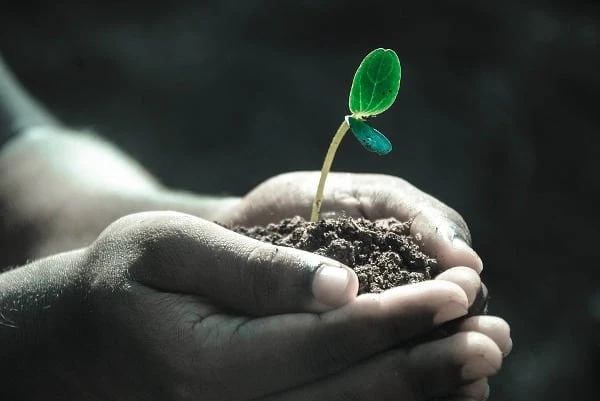
Soil health serves as an important foundation for a stronger crop yield. Good soil facilitates nutrient availability and building resilience for crops. Improving soil health is directly proportional to the increase in farmers’ productivity and profitability. The benefits associated with maintaining good soil health in relation to better crop yields are:
- Efficient nutrient update
- Disease suppression
- Improved water management
- Sustainability
Common cause of soil degradation
Soil degradation is the condition where the soil slowly degrades and loses nutrients and other core components. It is caused by overuse of fertilizers, pollution, and mismanagement of irrigation systems. The key factors are:
- Monocropping
- Soil erosion
- Poor irrigation
- Lack of organic matter
- Heavy tillage
Pillars of Soil health management
Soil health management is the combination of ancient sustainable practices as well as modern technological advancements to restore soil health. These practices not only promote crop yields but also sustainable agriculture for the future.
- Composting and organic matter
- Balanced use of fertilizers and micronutrients
- Crop rotation and diversification
- Cover cropping
- Reduced tillage
- Salinity management
Role of Government and policy initiatives
Over the last decade, the Indian government has been very proactive in identifying the problems related to the management of soil health and nutrient management associated with crop yields. The government has realised that it needs to play an active role in providing farmers with the right knowledge and facilities so that soil health and crop yield can be practiced within the ambit of sustainability. Some of the initiatives by the government in this direction are:
- Providing a soil health card: To provide farmers with scientific analysis of various types of soil and gauge the health of soil and nutrient management.
- Rastriya krishi vikas yojana (RKVY): It provides funding to state-led drives that provide funding for technology and awareness drives.
- Parampragat Krishi Vikas Yojana: To promote and develop organic farming and to decrease chemicals in the soil.
Challenges in Soil Health management
There are various benefits in maintaining good soil health, but along with that come various challenges associated with it, lack of resources and awareness with farmers, and inadequate infrastructure. The traditional and conservative aspect of farming becomes a major roadblock in testing and using various services. Some of the challenges are:
- Lack of awareness about balanced fertilization
- Budgeting issues with small and marginal farmers
- No input or limited access to testing organic inputs
- Small landholdings complicate planning.
How to manage soil health: Step- by- step guide for farmers
Many farmers know that maintaining good soil health is a necessary step, yet they lack the know-how of the situation. It doesn't require a lot of effort or resources; just the right knowledge and awareness can help them maintain their health. Here is a step-by-step guide for the farmers:
- Get a soil health card
- Analyze the report
- Follow INM Guidelines.
- Add micronutrients.
- Adopt good practices.
- Use mobile apps
- Review annually.
Soil health management is an essential part of increasing crop yield and forms a part of the productivity of the land. By adopting sustainable practices, organic fertilization and cover cropping lead to sustainable agricultural practices. The methods not only boost productivity but also ensure better crop yield and food security for the coming generations. By understanding soil health and its management, we sow the seeds of abundance for tomorrow.




















Sign in to leave a comment.