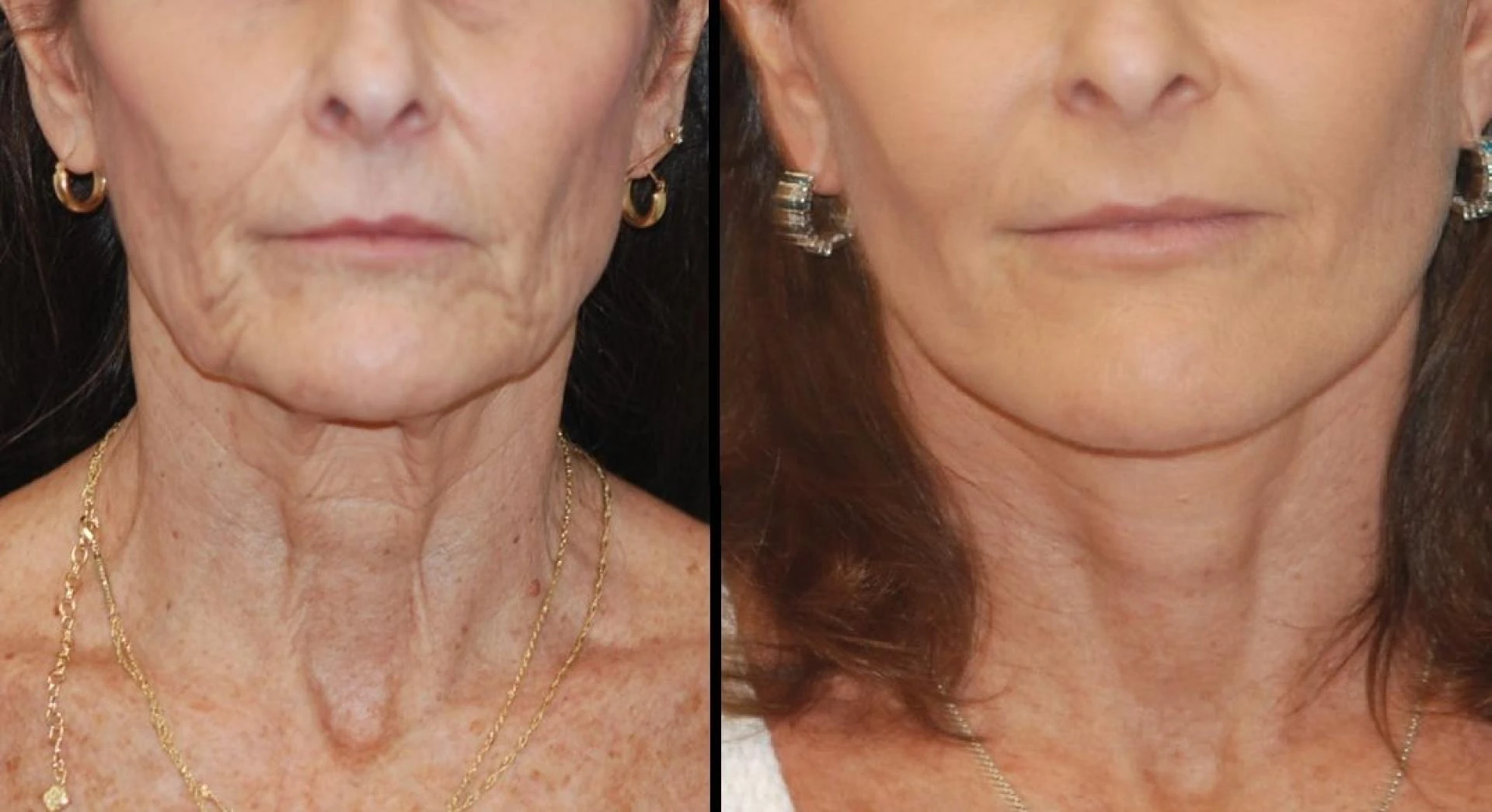

A deep plane facelift is not just another variation of traditional facelift surgery. It is a highly specialized technique designed to correct facial aging at a deeper anatomical level. In 2026, the deep plane facelift has become one of the most requested facial rejuvenation procedures because it focuses on restoring youthful structure rather than simply tightening loose skin.
Facial aging does not occur only at the surface. Over time, deeper tissues descend, fat pads shift downward, and retaining ligaments lose their strength. This is exactly why the deep plane facelift approach stands out. Instead of separating the skin and pulling it tighter, surgeons lift the deeper facial layers as a composite unit, repositioning them to a more youthful position.
The Surgical Technique Behind Deep Plane Facelift
To truly understand why the deep plane facelift delivers natural results, it helps to understand the anatomy involved. The procedure works beneath the SMAS layer (Superficial Musculoaponeurotic System), which is a key structural support system of the face.
During surgery, the surgeon carefully releases specific retaining ligaments in the midface. These ligaments are responsible for anchoring facial tissues in place. By releasing them, the surgeon can mobilize the deeper tissues and lift them upward without placing tension on the skin.
This composite lifting technique allows:
• Restoration of cheek volume
• Softening of nasolabial folds
• Reduction of jowls
• Improved jawline definition
• Enhanced neck contour
Because the skin is redraped rather than stretched, the results appear smooth and natural.
Key Benefits of a Deep Plane Facelift
One of the biggest advantages of a deep plane facelift is the authenticity of the outcome. Patients often report that friends and colleagues say they look refreshed or well-rested, not surgically altered.
Some of the most important benefits include:
Natural-Looking Results
The deeper lift prevents the overly tight or windswept appearance associated with older facelift methods.
Long-Lasting Effects
Since the procedure addresses foundational structures, results often last 10 to 15 years.
Comprehensive Midface Rejuvenation
Unlike traditional facelifts that primarily focus on the lower face, the deep plane technique significantly improves the midface area.
Minimal Skin Tension
Less tension on the skin can mean finer scars and a more seamless recovery.
In 2026, patients are increasingly prioritizing subtle but powerful rejuvenation, making this technique especially attractive.
Recovery Timeline and What to Expect
Recovery after a deep plane facelift has improved significantly thanks to modern surgical advancements. While every patient heals differently, most can expect swelling and bruising for the first two to three weeks.
Week 1
Swelling and mild discomfort are common. Patients are typically advised to rest and avoid strenuous activity.
Week 2–3
Bruising begins to fade. Many patients feel comfortable resuming light social activities.
Week 4 and Beyond
Most visible swelling subsides. Final results gradually refine over the next few months as tissues settle.
Adhering to post-operative instructions is essential for optimal healing. Surgeons may recommend head elevation, cold compresses, and follow-up visits to monitor progress.
Who Should Consider a Deep Plane Facelift?
A deep plane facelift is particularly effective for individuals experiencing moderate to advanced facial aging. Ideal candidates often have:
• Noticeable midface sagging
• Deep smile lines
• Loss of jawline definition
• Skin laxity in the lower face and neck
Good overall health and realistic expectations are also critical factors. A consultation with an experienced facial plastic surgeon is necessary to determine whether this technique is the best choice.
Why Deep Plane Facelift Remains a Leading Option in 2026
As aesthetic medicine evolves, the demand for natural and structural rejuvenation continues to grow. Patients no longer want procedures that simply tighten skin; they want solutions that restore youthful anatomy.
The deep plane facelift represents that shift. By addressing the deeper causes of aging rather than superficial symptoms, it delivers results that look balanced, refreshed, and long-lasting.
For individuals seeking meaningful facial rejuvenation with a natural finish, the deep plane facelift continues to be one of the most advanced and reliable surgical options available today.


























Sign in to leave a comment.