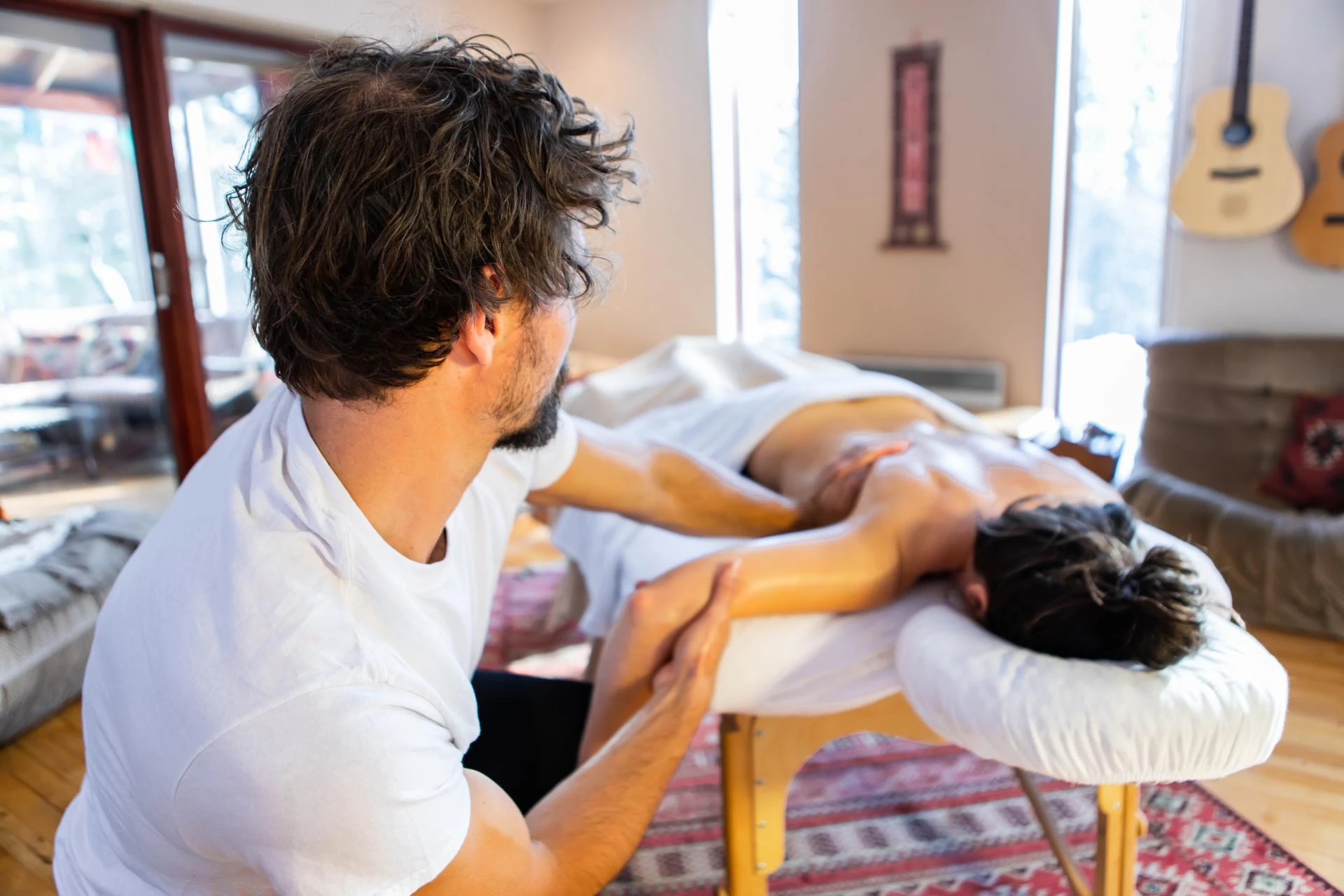

If you live or work in the Bay Area, you know how quickly tension builds—between long commutes, desk time, workouts, and weekend adventures, tight muscles can become a constant background noise. That’s where deep tissue work shines. Beyond simple relaxation, deep tissue massage targets chronically tight areas and adhesions that limit mobility and trigger pain. In this guide, we’ll cover the real-world benefits of deep tissue massage, who it helps most, how to prepare for a session, and what to expect afterward—plus how to find the right therapist for San Francisco deep tissue massage.
What Is Deep Tissue Massage?
Deep tissue massage focuses on slow, precise strokes and sustained pressure aimed at the deeper layers of muscle and fascia. Rather than “more pressure everywhere,” the technique is strategic: your therapist identifies the key points driving your discomfort—often in the hips, neck, shoulders, calves, or back—and works to release them methodically. Sessions often incorporate myofascial release, cross-fiber friction, and trigger point work to break up adhesions and restore glide between tissues.
The Benefits of Deep Tissue Massage (Without the Hype)
When performed by an experienced practitioner, a focused session can deliver meaningful outcomes:
- Lasting Relief from Tension:
- Slow, sustained pressure helps unwind stubborn knots and reduces guarding patterns that keep muscles “on” even at rest.
- Improved Range of Motion:
- By softening tight fascia and releasing trigger points, joints can move more freely—especially in the hips, shoulders, and upper back.
- Fewer Headaches and Less Jaw/Neck Strain:
- Releasing the suboccipitals, SCM, scalenes, and upper traps can reduce tension headaches and jaw clenching related to stress and posture.
- Performance Support for Active Lifestyles:
- Runners, lifters, cyclists, and climbers benefit from targeted work on calves, hamstrings, glutes, and forearms to aid recovery between training sessions.
- Nervous System Downshift:
- Deep, rhythmic work cues the body to exit “fight or flight,” improving sleep quality and mental clarity.
These benefits of deep tissue massage accumulate with consistency—most clients feel the best results after a short series, then maintain with monthly or seasonal visits.
Deep Tissue Massage for Chronic Pain in San Francisco: Who It Helps
The Bay Area’s mix of desk jobs and active hobbies often leads to a predictable trio: tech-neck, low-back tightness, and hip/glute trigger points. If any of these sound familiar, a structured plan of deep tissue massage for chronic pain San Francisco can help:
- Desk-Based Neck and Upper Back Pain:
- Forward head posture tightens the chest and overworks the upper traps and levator scapulae. Focused work can ease stiffness and improve posture tolerance.
- Low Back Discomfort from Sedentary Time or Heavy Lifts:
- Releasing QL, glutes, hip flexors, and hamstrings often reduces tug-of-war across the pelvis.
- Running/Cycling Tightness:
- Calves, IT band-related restrictions, and hip rotators respond well to slow, sustained techniques and targeted stretching.
- Old Injuries or Scar Tissue:
- Gradual cross-fiber work and myofascial release can improve tissue quality and comfort around previous strains or surgeries.
What to Expect in a High-Quality Session
A great San Francisco deep tissue massage doesn’t feel like a battle; it feels purposeful. Here’s a typical flow:
- Intake & Assessment:
- You’ll share specific goals (e.g., “desk neck,” “post-race calves,” “right hip won’t open”). Expect posture or range-of-motion checks to prioritize areas that will give you the biggest relief.
- Targeted Warm-Up:
- Therapists use lighter strokes first to prepare tissues and pinpoint the exact trigger points to address.
- Slow, Specific Work:
- Expect deliberate pressure along the muscle fibers and gentle, sustained holds across them. You should feel “hurts so good,” not “I need to tense up.” Speak up—pressure should be intense but manageable.
- Active Engagement:
- Some practitioners incorporate breath cues, contract–relax techniques, or gentle joint movement to help the tissue release.
- Reassessment & Home Care:
- Before you leave, your therapist may retest key movements and offer simple stretches, hydration guidance, or heat/ice tips to extend results.
Aftercare: Make the Results Last
Mild soreness for 24–48 hours is common, especially after your first focused session. To maximize the benefits of deep tissue massage:
- Hydrate well to support circulation and recovery.
- Light movement (a walk or gentle mobility) keeps tissues from re-tightening.
- Heat can be soothing for neck/shoulder work; ice may help if a spot feels inflamed.
- Follow-up: Schedule your next session before pain returns to baseline—consistency wins.
How Often Should You Book?
For chronic patterns, many clients start with 3–4 sessions over 4–6 weeks, then shift to maintenance every 4–8 weeks. Training hard for an event? Tight deadlines or travel? Consider shorter, targeted booster visits to stay ahead of flare-ups.
Choosing the Right Therapist in San Francisco
When searching for San Francisco deep tissue massage, look for:
- Specialization: Therapists who regularly work with your issue (desk posture, athletes, chronic pain) will get to the point faster.
- Communication: The best results come from real-time feedback on pressure and sensation.
- Integrated Approach: Bonus if your provider blends myofascial techniques, trigger point therapy, and mobility coaching.
- Consistency: A clear plan beats a one-off appointment. Ask how many sessions they recommend and why.
For a tailored approach that combines precision with comfort, consider Frenchy Spa’s deep tissue massage—their team personalizes pressure and techniques to your goals while keeping the overall experience relaxing and restorative.
Who Should Skip or Modify Deep Tissue?
- Acute injuries, fractures, or open wounds
- Active infections or fever
- Certain circulatory conditions (consult your physician)
- Pregnancy (opt for prenatal-trained therapists and gentler techniques)
When in doubt, ask your practitioner for modifications or clearance from your healthcare provider.
The Bottom Line
Whether you’re navigating tech-neck, training soreness, or stubborn low-back tightness, a well-planned series of sessions can deliver meaningful change. The real benefits of deep tissue massage show up in your everyday life: easier movement, fewer flare-ups, better sleep, and a body that feels more like your own. If you’re ready to trade quick fixes for targeted relief, book a San Francisco deep tissue massage with pros who listen, test, and tailor every minute to your needs.




























Sign in to leave a comment.