
Demolition is an essential part of modern construction, urban development, and renovation projects. Whether you’re clearing a site for new construction, removing old structures, or remodeling an existing space, understanding the principles of demolition is critical. Not only does proper demolition ensure safety, but it also minimizes environmental impact and optimizes resource management. In this guide, we’ll explore the different aspects of demolition, its methods, safety precautions, and the benefits of hiring professionals.
What is Demolition?
Demolition refers to the process of tearing down or dismantling buildings, structures, or other constructions. Unlike simple construction work, demolition is a highly controlled process that involves planning, safety assessments, and specialized equipment. The goal is not only to remove structures but also to do so in a way that prevents accidents, limits damage to surrounding areas, and allows for the reuse or recycling of materials.
Types of Demolition Methods
There are several methods of demolition, each suited for different scenarios. Understanding these methods can help property owners and contractors choose the best approach:
- Mechanical Demolition: This involves using heavy machinery like excavators, bulldozers, and wrecking balls. Mechanical demolition is efficient for large structures and is commonly used in commercial projects.
- Implosion Demolition: Implosion uses controlled explosives to bring down buildings. It’s a precise method that requires expert planning to ensure safety and minimize collateral damage.
- Deconstruction: Also known as selective demolition, this method involves dismantling a building piece by piece. Deconstruction is environmentally friendly because it allows materials like wood, metal, and fixtures to be recycled or reused.
- Manual Demolition: In smaller projects, demolition can be done manually using hand tools such as hammers, crowbars, and saws. This method is suitable for residential projects or areas with limited access.
Safety Measures in Demolition
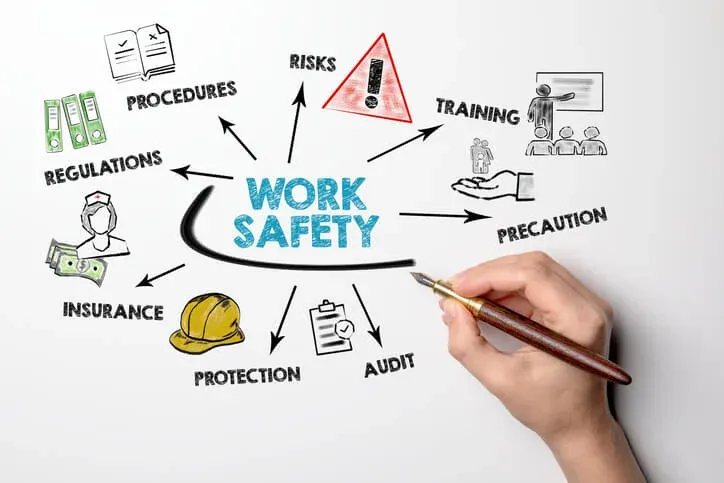
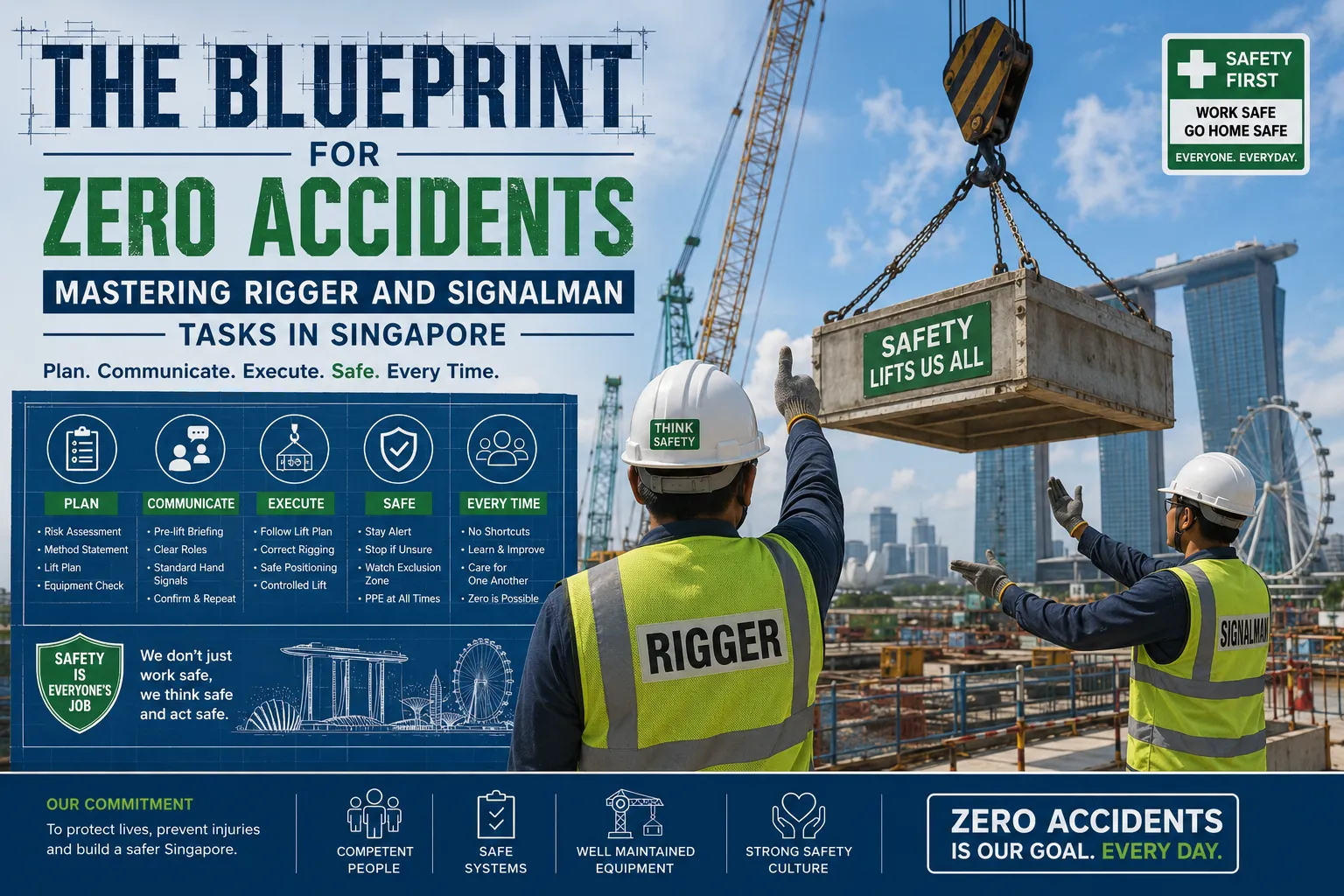
Safety is the most critical aspect of demolition. Due to the inherent risks involved, it is essential to follow strict safety guidelines:
- Site Assessment: Before starting, conduct a thorough inspection of the structure to identify hazardous materials such as asbestos, lead, or mold.
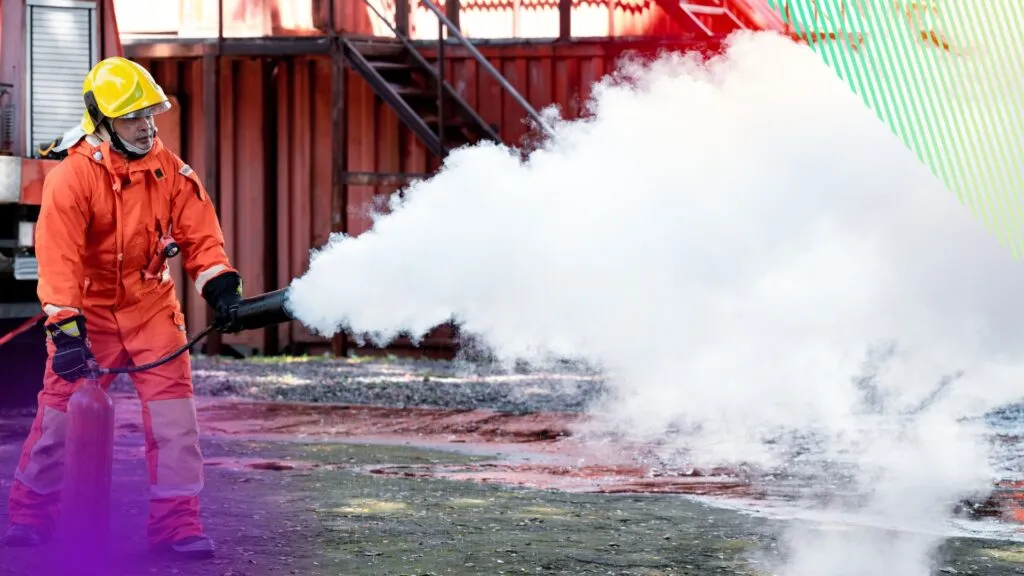
- Protective Gear: Workers should wear helmets, gloves, safety goggles, and steel-toed boots to protect against falling debris and sharp objects.
- Clearance Zones: Establish safe zones around the demolition site to prevent unauthorized access and reduce the risk of injury to passersby.
- Professional Supervision: Experienced demolition contractors can ensure that the process follows local regulations and safety standards.
Environmental Considerations
Demolition can have a significant impact on the environment if not handled properly. Recycling and reusing materials can reduce landfill waste and conserve resources. Concrete, steel, wood, and glass can often be processed for future use. Additionally, controlling dust and debris is important to maintain air quality and reduce health hazards in surrounding areas.
Benefits of Hiring Professional Demolition Services
Hiring a professional demolition company comes with numerous advantages. Professionals have the expertise, equipment, and knowledge to handle complex projects safely. They can also navigate local regulations, secure necessary permits, and manage waste disposal efficiently. Furthermore, professional demolition reduces the risk of accidents, property damage, and project delays, ensuring a smoother and more cost-effective process.
Conclusion
Demolition is more than just tearing down walls or buildings—it is a complex, carefully controlled process that requires planning, precision, and safety. Whether using mechanical methods, implosions, or deconstruction techniques, the goal is always to protect workers, minimize environmental impact, and prepare the site for its next purpose. By understanding demolition methods and prioritizing safety, property owners and contractors can ensure successful projects that are both efficient and responsible.
Proper planning, professional expertise, and adherence to safety standards make demolition a manageable and effective part of modern construction and renovation.





















Sign in to leave a comment.