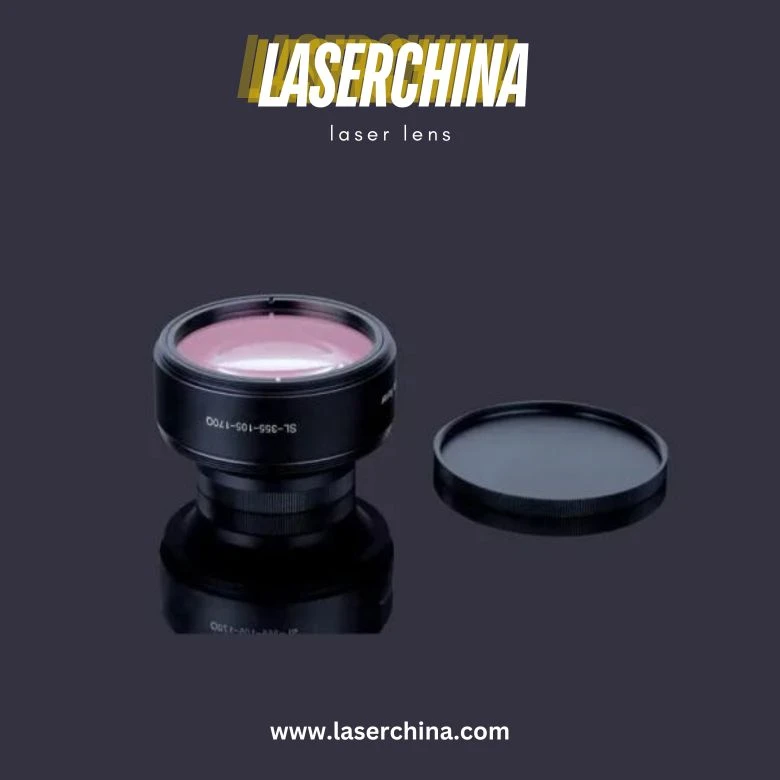

Laser lenses are pivotal components in laser systems, essential for focusing and shaping laser beams with precision across various applications. This comprehensive guide explores the types, functions, selection criteria, and maintenance of laser lens, providing valuable insights for engineers, researchers, and enthusiasts.
Introduction to Laser Lenses
Laser lens are optical elements designed to manipulate laser beams by focusing, collimating, or diverging them. They are crucial in determining the spot size, focal length, and beam quality in laser applications. Understanding their characteristics and choosing the right lens is critical for optimizing laser performance.
Types of Laser Lenses
Plano-Convex and Plano-Concave Lenses: These lenses have a flat surface on one side and a curved surface on the other. Plano-convex lenses converge the laser beam, while plano-concave lenses diverge it.
Double-Convex and Double-Concave Lenses: These lenses have both surfaces curved. Double-convex lenses converge light to a focal point, while double-concave lenses diverge light.
Meniscus Lenses: These lenses have one convex and one concave surface, designed to minimize spherical aberration and improve image quality.
Cylindrical Lenses: These lenses focus light in one axis, often used to change the shape of laser beams, such as converting circular beams into elliptical beams.
Factors to Consider When Choosing Laser Lenses
Wavelength Compatibility: Laser lenses are designed for specific wavelengths of light. Matching the lens material and coating to the laser wavelength ensures optimal performance and minimal loss.
Focal Length and Spot Size: Determining the required focal length and spot size helps select the appropriate lens. Shorter focal lengths provide tighter focus, while longer focal lengths produce larger spot sizes.
Beam Diameter and Diameter Aperture: Matching the lens diameter aperture to the beam diameter minimizes clipping losses and ensures efficient beam transmission.
Coating and Material: Anti-reflection coatings reduce surface reflections and improve transmission efficiency. Choosing materials with high laser damage thresholds prevents lens damage from high-power lasers.
Applications of Laser Lenses
Material Processing: Laser lenses are integral to laser cutting, welding, engraving, and marking processes, ensuring precise beam control and high-quality results in industries such as automotive, electronics, and manufacturing.
Medical and Scientific Applications: In medical settings, laser lenses enable precise surgical procedures, diagnostics, and therapeutic treatments. In research, they facilitate experiments in spectroscopy, microscopy, and laser-based analysis.
Telecommunications: Optical fibers and laser lenses are crucial for transmitting and receiving laser signals in telecommunications networks, ensuring high-speed data transmission and reliability.
Maintenance and Care of Laser Lenses
Cleaning: Use lint-free wipes and optical cleaning solutions to gently remove dust and residues from lens surfaces. Avoid touching the lens with bare hands to prevent contamination.
Storage: Store lens in clean, dry environments to prevent scratches and maintain optical clarity. Use protective lens caps or cases to shield lenses from damage.
Inspection: Regularly inspect lenses for scratches, chips, or coating damage. Replace damaged lenses promptly to maintain laser performance and safety.
Conclusion
Laser lenses are indispensable tools in harnessing the power and precision of laser lens technology across diverse applications. By understanding their types, selection criteria, applications, and maintenance practices outlined in this guide, professionals can optimize laser system performance, achieve desired outcomes, and contribute to advancements in various fields.



























Sign in to leave a comment.