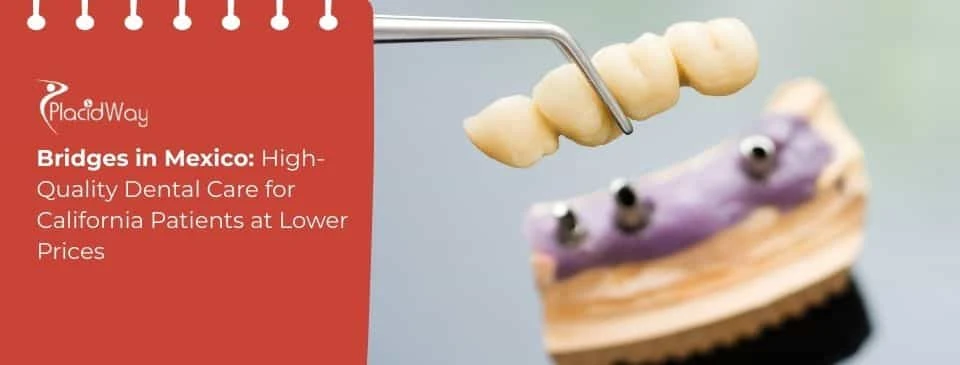
For many Californians, the dream of a perfect smile can feel out of reach due to the high cost of dental procedures. Dental bridges, a common and effective solution for missing teeth, are no exception. This financial barrier has led a growing number of individuals to explore options south of the border, where Mexico has emerged as a leading destination for affordable, high-quality dental care. This comprehensive guide will walk you through everything you need to know about getting dental bridges in Mexico, from the significant cost savings to the quality of care and the top destinations for your treatment.
Key Takeaways
- Patients from California can achieve savings of up to 70% on dental bridges by choosing a reputable clinic in Mexico.
- The standard of dental care in Mexico is comparable to the United States, with many dentists receiving training in the U.S. and utilizing advanced dental technology.
- Key Mexican dental tourism hubs like Tijuana and Los Algodones are conveniently located just a short distance from the California border, making travel for appointments simple and cost-effective.
- Cost Comparison of a 3-Unit Dental Bridge:
- Mexico: A porcelain-fused-to-metal (PFM) bridge typically costs between $600 and $1,200, while an all-porcelain or zirconia bridge ranges from $1,000 to $1,800.
- California: The same PFM bridge can cost between $2,000 and $5,000, with all-porcelain or zirconia options ranging from $3,000 to $6,000 or more.
What Are Dental Bridges?
A dental bridge is a fixed prosthetic device used to replace one or more missing teeth, which is anchored to the adjacent natural teeth or dental implants.
Essentially, a dental bridge spans the gap left by a missing tooth. It is composed of two or more crowns that are placed on the teeth on either side of the gap, known as abutment teeth, and a false tooth or teeth, called pontics, in between. These pontics can be crafted from various materials, including gold, alloys, porcelain, or a combination thereof. Dental bridges are a durable solution, supported by either your natural teeth or by dental implants.
Beyond restoring the aesthetic appeal of your smile, dental bridges play a crucial role in restoring your ability to chew and speak properly. They also help maintain the natural shape of your face and prevent the surrounding teeth from shifting out of position.
Why Should Californians Consider Mexico for Dental Bridges?
Mexico presents an attractive proposition for Californians seeking dental bridges, offering a blend of substantial cost reductions, high-quality dental services delivered by experienced professionals, and the convenience of close proximity.
The most significant advantage for many is the dramatic cost savings. Dental procedures in Mexico can be up to 70% more affordable than in the United States, without any compromise on the quality of care. A large number of Mexican dentists have received their training in the U.S. or Europe and are active members of international dental associations. They utilize state-of-the-art technology and high-grade materials, often sourced from the same suppliers as American dental practices.
For those residing in California, the geographic proximity of premier Mexican dental destinations is a major benefit. Cities such as Tijuana and Los Algodones are just a brief drive across the border, making travel for dental appointments both convenient and economical. This ease of access is particularly beneficial for treatments that may require multiple visits.
Moreover, the standard of patient care in Mexican dental clinics is often outstanding. Many establishments are specifically geared towards international patients, with English-speaking staff, modern and comfortable facilities, and a strong emphasis on patient satisfaction.
Did You Know? Los Algodones, a small town bordering the U.S., has earned the nickname "Molar City" due to having the highest concentration of dentists per capita in the world.
Types of Dental Bridges Available in Mexico
Mexican dental clinics provide the same array of dental bridge options as those in the United States, including traditional, cantilever, Maryland, and implant-supported bridges, all crafted from high-quality dental materials.
You will have access to a full spectrum of dental bridge solutions in Mexico, ensuring you receive the most suitable treatment for your unique needs. The most prevalent types include:
- Traditional Bridges: This is the most common type, where a false tooth is held in place by dental crowns cemented onto the abutment teeth on each side of the gap.
- Cantilever Bridges: Similar to traditional bridges, but the pontic is supported by a crown on only one abutment tooth. This is less common and is generally used when there are teeth on only one side of the gap.
- Maryland Bridges: Also known as a resin-bonded bridge, this type uses a metal or porcelain framework that is bonded to the back of the teeth adjacent to the missing one.
- Implant-Supported Bridges: As the name implies, these bridges are anchored by dental implants rather than natural teeth. This is an exceptionally stable and long-lasting option, particularly for replacing multiple teeth.
The materials used for the pontics and crowns are identical to those used in the U.S., including porcelain, ceramic, zirconia, and porcelain-fused-to-metal (PFM). Your dentist in Mexico will guide you through the best options based on the location of the missing tooth, the health of your existing teeth, and your budget.
Expert Insight: When selecting a material for your dental bridge, it's important to weigh both aesthetics and durability. Zirconia bridges are gaining popularity due to their remarkable strength and natural appearance, making them an excellent long-term investment for a confident smile.
The Dental Bridge Procedure in Mexico: A Step-by-Step Guide
The process of getting a dental bridge in Mexico typically involves two to three appointments, beginning with a consultation and preparation of the abutment teeth, and concluding with the placement of the permanent bridge.
The procedure for obtaining a dental bridge in Mexico mirrors the process in the United States. Here’s a general outline of what to expect:
Step 1: Initial Consultation and Examination Your first visit will consist of a comprehensive examination of your teeth and gums, which will include X-rays. This allows the dentist to assess your overall oral health and confirm your suitability for a dental bridge. The dentist will also discuss the various types of bridges and materials with you to formulate a personalized treatment plan.
Step 2: Preparation of the Abutment Teeth During your second appointment, the abutment teeth are prepared by removing a small amount of enamel to create space for the crowns. Impressions of your teeth are then taken and sent to a dental laboratory where your custom bridge will be fabricated. A temporary bridge will be placed to protect the prepared teeth and gums.
Step 3: Fitting the Permanent Bridge Once your permanent bridge is ready, you will return for your final visit. The temporary bridge is removed, and the permanent bridge is carefully checked for fit and comfort. Your dentist may make minor adjustments to ensure a perfect fit before permanently cementing it into place.
Top Dental Destinations in Mexico for Californians
For Californian patients, the most accessible and sought-after dental destinations in Mexico are Tijuana and Los Algodones, both situated just across the border.
These cities have transformed into hubs for dental tourism, thanks to their high concentration of reputable dental clinics, skilled professionals, and their convenient location for patients traveling from California.
- Tijuana: Located directly south of San Diego, Tijuana is a vibrant city offering a diverse range of dental clinics, from affordable practices to luxurious dental spas. Many clinics provide complimentary shuttle services from the border, enhancing the convenience of your visit.
- Los Algodones: Just a few miles from Yuma, Arizona, and a short drive from Southern California, Los Algodones is a small town almost entirely devoted to dental and medical tourism. Here, you will find hundreds of dental clinics within a compact, easily navigable area.
When selecting a clinic in Mexico, thorough research is essential. Look for clinics with a strong online presence, positive patient testimonials, and transparent information regarding their dentists' qualifications and the materials they use.
Recovery and Aftercare for Dental Bridges
Diligent aftercare for your dental bridge is vital for its longevity and involves maintaining excellent oral hygiene and attending regular dental check-ups.
Following the placement of your dental bridge, it is normal to experience some temporary sensitivity to hot and cold. This should diminish as you become accustomed to your new bridge. Maintaining impeccable oral hygiene is crucial for the longevity of your bridge and the health of the surrounding teeth and gums.
- Brushing and Flossing: Brush your teeth twice daily and floss every day. It is particularly important to clean underneath the pontic to remove any trapped food debris and plaque. Your dentist may suggest using a special type of floss or a water flosser to facilitate this.
- Diet: Refrain from chewing on hard foods, ice, or other hard objects, as this can potentially damage your bridge.
- Regular Check-ups: Continue to visit your dentist for regular check-ups and cleanings to ensure your bridge and your overall oral health are in optimal condition.
With proper care, a dental bridge can last for many years, providing you with a beautiful and functional smile.
Is it Safe to Get Dental Bridges in Mexico?
Yes, obtaining a dental bridge in Mexico is a safe option, provided you select a reputable and accredited dental clinic with experienced and qualified professionals.
As with any healthcare decision, due diligence is key to ensuring a safe and successful outcome. Seek out clinics that are transparent about their dentists' credentials, the technology and materials they employ, and their sterilization protocols.
Many of the top dental clinics in Mexico are accredited by international organizations and adhere to the same stringent standards of care and safety as dental practices in the United States. Reading patient reviews and viewing before-and-after photos can also provide valuable insight into a clinic's quality of work and patient satisfaction.
Frequently Asked Questions (FAQ)
1. How long does it take to get a dental bridge in Mexico? The entire process typically requires two to three visits over a span of one to two weeks. The initial visit is for the consultation and preparation, with subsequent appointments for fitting the permanent bridge.
2. How long do dental bridges last? With proper care and diligent oral hygiene, a dental bridge can last anywhere from 5 to 15 years, and in some cases, even longer.
3. Will my dental bridge look natural? Absolutely. Modern dental bridges are custom-fabricated to match the color, shape, and size of your natural teeth, ensuring a seamless and aesthetically pleasing result.
4. Can I use my US dental insurance in Mexico? Some U.S. dental insurance plans may offer coverage for a portion of the cost of dental work performed in Mexico. It is advisable to contact your insurance provider in advance to understand your benefits. Additionally, many Mexican dental clinics offer financing options.
5. What happens if I have an issue with my dental bridge after I return to California? Reputable dental clinics in Mexico typically offer warranties on their work. It is crucial to discuss the clinic's policy on follow-up care and procedures for addressing any potential issues before you commence treatment.
6. How do I find a good dentist in Mexico? Look for dentists who are members of reputable professional organizations, have a strong portfolio of positive online reviews, and are willing to share patient testimonials and before-and-after photos. Medical tourism facilitators can also assist you in connecting with pre-vetted and highly-regarded dental clinics.
Your Journey to a New Smile Starts with PlacidWay
Are you ready to explore the possibilities of affordable, high-quality dental bridges in Mexico? PlacidWay is a premier medical tourism company dedicated to connecting you with trusted and accredited dental clinics in Mexico. We provide comprehensive information to help you make an informed decision about your dental care, including detailed clinic profiles, authentic patient reviews, transparent pricing, and all-inclusive treatment packages. Contact us today for a free, no-obligation quote and take the first step towards achieving a beautiful new smile!
































Sign in to leave a comment.