
When it comes to saving or replacing a damaged tooth, the two most common options dentists recommend are dental implant treatment and root canal surgery. While both treatments restore oral function, they serve very different purposes. Many people get confused about which option is better—should you save your natural tooth or replace it with an implant? Let's dive deep into the details to help you make an informed choice.
Understanding Dental Implant Treatment
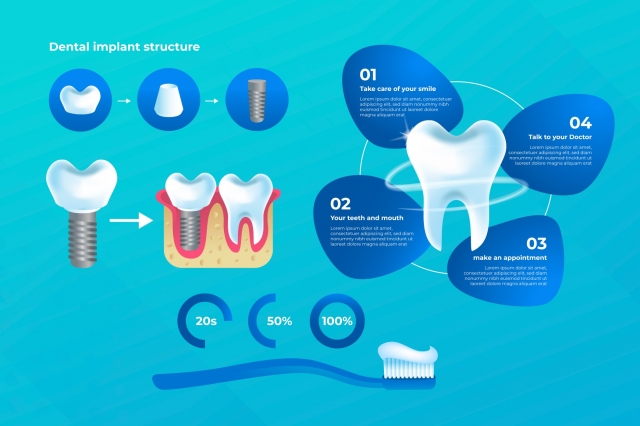
A dental implant is an artificial tooth root, usually made of titanium, that's surgically placed into your jawbone. It provides a strong foundation for a replacement tooth or crown. Think of it as a screw that holds a new tooth in place, mimicking the function of a natural root.
Materials used in implants include:
- Titanium (most common)
- Zirconia (for metal-free options)
Step-by-Step Dental Implant Procedure
- Initial Consultation – X-rays and dental exams are done.
- Tooth Extraction – If the damaged tooth is still present, it's removed.
- Bone Grafting – If your jawbone is weak, grafting may be necessary.
- Implant Placement – A titanium post is inserted into the bone.
- Healing & Osseointegration – The bone fuses with the implant (3–6 months).
- Abutment & Crown Placement – Finally, a crown is fixed to complete the process.
Benefits of Dental Implants
- Long-lasting, often for a lifetime with proper care
- Look and feel just like natural teeth
- Prevent bone loss in the jaw
- Improve chewing and speech
Risks and Drawbacks of Dental Implants
- Requires surgery
- Healing time can be long
- Higher cost compared to other options
Understanding Root Canal Surgery
A root canal is a treatment to save a tooth that has a damaged or infected pulp (the soft tissue inside the tooth). Instead of removing the tooth, the infected pulp is cleaned out, and the tooth is sealed and restored.
Common myths: Root canals are often thought to be painful, but modern techniques make them no more uncomfortable than getting a filling.
Step by Step Root Canal Procedure
- Diagnosis & X-rays – Identifies infection.
- Anesthesia – Tooth is numbed to prevent pain.
- Cleaning & Pulp Removal – Infected tissue is removed.
- Filling & Sealing – Canals are filled with gutta-percha.
- Crown Placement – Strengthens the treated tooth.
Benefits of Root Canal Surgery
- Saves your natural tooth
- Quick recovery compared to implants
- More affordable
Risks and Drawbacks of Root Canal Surgery
- Tooth may become brittle over time
- Possibility of reinfection
- Not always a permanent fix
Comparing Dental Implants and Root Canals
FeatureDental ImplantRoot CanalDurability15+ years or lifetime10–15 yearsAestheticsNatural lookNatural tooth preservedCostHigherLowerInvasivenessSurgicalNon-surgical (mostly)
When to Choose a Dental Implant
- The tooth is beyond repair
- Severe fractures or decay
- You want a long-lasting solution
When to Choose a Root Canal
- Tooth structure is still strong
- Infection is treatable
- Less costly option desired
Cost Comparison
- Dental Implants: 3,000–5,000 per tooth (varies globally)
- Root Canal: 500–1,500 depending on complexity
- Insurance: Often covers root canals more than implants
Pain and Recovery: Which Hurts More?
Both treatments are done under anesthesia, so you won't feel pain during the procedure. Implants may cause soreness during healing, while root canals have faster recovery.
Longevity and Success Rates
- Implants: 95–98% success rate
- Root Canals: 85–90% success rate
Aftercare and Maintenance
For both treatments, brushing, flossing, and dental check-ups are non-negotiable. Implants require strong bone health, while root canal-treated teeth may need crowns for strength.
Future of Dental Treatments
- Implants: 3D printing and digital scanning for custom solutions
- Root Canals: Laser technology for more precise cleaning
Conclusion
Both dental implant treatment and root canal surgery are excellent solutions, but the right choice depends on your tooth's condition, budget, and long-term goals. If the tooth can be saved, root canal surgery is often the first choice. But if the damage is beyond repair, implants provide a strong and lasting replacement. Always consult with your dentist to choose what's best for your smile.
FAQs
1. Which is better, dental implant or root canal?
A. It depends on your tooth's condition—root canals save natural teeth, while implants replace them.
2. Do dental implants last forever?
A. With proper care, they can last a lifetime.
3. Is root canal surgery painful?
A. No, modern root canals are performed under anesthesia and are virtually pain-free.
4. Can I switch from a root canal to an implant later?
A. Yes, if a root canal fails, the tooth can be extracted and replaced with an implant.
5. Which is more expensive, implant or root canal?
A. Implants are significantly more expensive than root canals.



























Sign in to leave a comment.