
Introduction
Missing teeth can affect much more than your smile. They can make chewing difficult, alter your speech, affect your facial appearance, and reduce your confidence. If left untreated, missing teeth can also lead to jawbone loss, shifting of neighboring teeth, and long-term oral health problems.
Fortunately, modern dentistry offers a long-lasting and natural-looking solution—Dental Implants. Considered the gold standard for replacing missing teeth, dental implants restore both the appearance and function of your smile while helping preserve your jawbone and surrounding teeth.
Unlike removable dentures or traditional bridges, dental implants are designed to function like natural tooth roots, providing exceptional stability, durability, and comfort.
At our clinic, we offer advanced dental implant solutions using modern technology, precise planning, and personalized treatment plans to help patients regain a healthy, confident smile.
What Are Dental Implants?
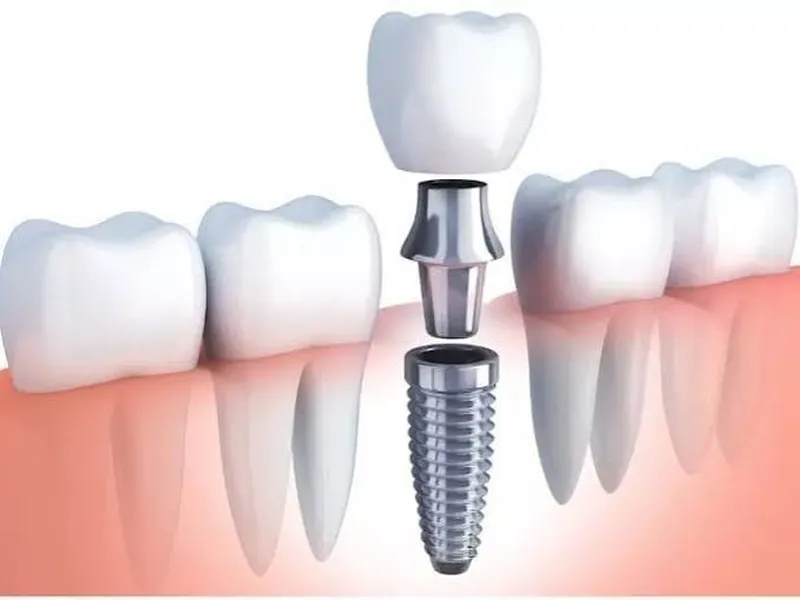
Dental implants are artificial tooth roots made of medical-grade titanium or zirconia that are surgically placed into the jawbone. Once healed, they fuse naturally with the bone through a process called osseointegration, creating a strong foundation for a replacement tooth.
Depending on the number of missing teeth, implants can support:
- A single dental crown
- A dental bridge
- Multiple implant-supported teeth
- Full-mouth fixed teeth
- Implant-supported dentures
Dental implants closely resemble natural teeth in appearance, strength, and function.
Why Replace Missing Teeth?
Replacing missing teeth is important for both oral health and overall well-being.
Missing teeth may cause:
- Difficulty chewing food
- Speech problems
- Bone loss in the jaw
- Facial sagging and premature aging
- Shifting of adjacent teeth
- Bite misalignment
- Increased risk of gum disease
- Reduced self-confidence
Dental implants help prevent these complications while restoring normal oral function.
Common Causes of Tooth Loss
Teeth may be lost due to:
- Severe tooth decay
- Advanced gum disease (Periodontitis)
- Dental trauma or accidents
- Failed root canal treatment
- Cracked or fractured teeth
- Congenital missing teeth
- Tooth extraction
- Aging
- Sports injuries
Types of Dental Implants
Single Tooth Implant
Replaces one missing tooth with a dental implant and crown without affecting neighboring teeth.
Implant-Supported Bridge
Ideal for replacing multiple adjacent missing teeth using fewer implants.
Full Mouth Dental Implants
Suitable for patients missing all or most of their teeth. Multiple implants support a complete fixed set of teeth.
All-on-4 / All-on-6 Implants
A full arch of teeth is supported using four or six strategically placed implants, providing excellent stability and function.
Implant-Supported Dentures
Removable dentures that securely attach to implants, offering greater comfort and retention than conventional dentures.
Who Is an Ideal Candidate?
Dental implants may be suitable for individuals who:
- Have one or more missing teeth
- Have healthy gums
- Have sufficient jawbone volume
- Maintain good oral hygiene
- Are non-smokers or willing to reduce smoking
- Want a permanent tooth replacement
- Prefer fixed teeth over removable dentures
A detailed consultation determines whether implants are the right option for you.
Who May Need Additional Treatment Before Implants?
Some patients may require preparatory procedures such as:
- Bone grafting
- Sinus lift surgery
- Gum disease treatment
- Tooth extraction
- Orthodontic correction (selected cases)
These procedures improve the chances of long-term implant success.
How Are Dental Implants Diagnosed and Planned?
A comprehensive evaluation includes:
- Clinical oral examination
- Digital Dental X-rays
- CBCT (3D Scan) if required
- Bone quality assessment
- Gum health evaluation
- Bite analysis
- Medical history review
Advanced imaging helps ensure accurate implant placement and predictable results.
Step-by-Step Dental Implant Procedure
1. Consultation and Planning
Your dentist evaluates your oral health and prepares a personalized treatment plan.
2. Implant Placement
Under local anesthesia, the implant is precisely placed into the jawbone.
3. Healing Phase (Osseointegration)
Over the next 3–6 months, the implant naturally fuses with the jawbone, creating a strong and stable foundation.
4. Abutment Placement
A connector (abutment) is attached to the implant after healing.
5. Final Crown Placement
A custom-made ceramic or zirconia crown is fixed onto the implant, restoring the appearance and function of a natural tooth.
Benefits of Dental Implants
Dental implants offer numerous advantages, including:
- Natural-looking smile
- Permanent tooth replacement
- Restores chewing efficiency
- Improves speech
- Preserves jawbone
- Prevents bone loss
- Prevents neighboring teeth from shifting
- Maintains facial structure
- Comfortable and stable
- Long-lasting solution
- No need to trim adjacent teeth
- High success rate
Recovery After Dental Implant Surgery
Most patients experience only mild discomfort after implant placement.
Common temporary symptoms include:
- Mild swelling
- Minor bleeding
- Slight bruising
- Mild soreness
These symptoms usually improve within a few days.
Most patients return to work within 24–48 hours depending on the complexity of the procedure.
What to Expect After the Procedure
Following implant surgery:
- Mild tenderness is normal.
- Temporary swelling may occur.
- Soft foods are recommended initially.
- Healing takes several weeks, while complete bone integration requires several months.
- Follow-up visits ensure proper healing.
Aftercare Instructions
Proper care is essential for long-term implant success.
Do's
- Brush twice daily.
- Floss around implants.
- Use an antibacterial mouthwash if prescribed.
- Eat soft foods initially.
- Attend scheduled follow-up visits.
- Maintain regular dental cleanings.
Don'ts
- Avoid smoking.
- Avoid chewing hard foods immediately after surgery.
- Do not neglect oral hygiene.
- Avoid excessive alcohol during healing.
- Do not skip follow-up appointments.
Foods to Eat After Implant Surgery
Choose soft foods such as:
- Yogurt
- Smoothies
- Soups
- Khichdi
- Rice
- Mashed potatoes
- Soft fruits
- Scrambled eggs
- Oatmeal
- Pasta
Foods to Avoid
Avoid:
- Hard candies
- Nuts
- Ice
- Popcorn
- Sticky sweets
- Crunchy snacks
- Very hot foods
- Alcohol during early healing
Are There Any Risks or Side Effects?
Dental implants are highly successful when performed by experienced professionals.
Temporary side effects may include:
- Mild swelling
- Bruising
- Minor bleeding
- Temporary discomfort
Rare complications include:
- Implant infection
- Delayed healing
- Implant failure
- Nerve injury (rare)
- Sinus complications (upper jaw implants)
Following post-operative instructions significantly reduces these risks.
Success Rate of Dental Implants
Dental implants have a success rate of approximately 95–98% when placed correctly and maintained with good oral hygiene.
With proper care, implants can last 20 years or longer, and many last a lifetime.
Can Dental Implants Fail?
Although uncommon, implant failure may occur due to:
- Smoking
- Poor oral hygiene
- Uncontrolled diabetes
- Gum disease
- Inadequate bone support
- Excessive bite forces
- Infection around the implant (Peri-implantitis)
Early diagnosis and treatment help preserve implant health.
Myths vs. Facts
Myth: Dental implants are painful.
Fact: Implant placement is performed under local anesthesia, making the procedure comfortable for most patients.
Myth: Implants look artificial.
Fact: Modern implant crowns are custom-made to closely match your natural teeth.
Myth: Dental implants require special care.
Fact: Implants require the same good oral hygiene as natural teeth.
Myth: Older adults cannot get dental implants.
Fact: Age alone is not a limitation. Overall health and bone quality are more important.
Frequently Asked Questions
Are dental implants painful?
No. Most patients report only mild discomfort during recovery.
How long does implant treatment take?
The complete process usually takes 3–6 months, depending on healing and whether additional procedures are required.
How long do implants last?
With proper care, dental implants can last decades or even a lifetime.
Can I eat normally after implants?
Yes. Once healing is complete, implants function like natural teeth, allowing you to enjoy most foods comfortably.
Are dental implants better than dentures?
For many patients, implants provide greater stability, comfort, chewing ability, and long-term oral health compared to removable dentures.
Why Early Treatment Matters
Replacing missing teeth early helps prevent jawbone loss, shifting of adjacent teeth, bite problems, and facial changes. Timely treatment also improves chewing, speech, and overall oral health while reducing the need for more complex procedures in the future.
Why Choose Our Clinic?
We provide comprehensive implant dentistry using advanced technology and patient-focused care.
Our Advantages
- Experienced dental professionals
- Advanced digital diagnostics
- Personalized treatment planning
- High-quality implant systems
- Strict sterilization protocols
- Modern surgical techniques
- Comfortable treatment experience
- Natural-looking restorations
- Comprehensive follow-up care
Our goal is to restore healthy, functional, and confident smiles with safe and long-lasting dental implant solutions.
Book Your Consultation Today
If you have one or more missing teeth, don't let them affect your confidence or quality of life. Dental implants provide a durable, natural-looking solution that restores your smile, improves oral function, and protects your long-term dental health.
Our experienced team is committed to delivering personalized implant care using advanced technology and evidence-based techniques.
Services Available
- Dental Consultation
- Digital Dental X-rays
- CBCT Scan (If Required)
- Single Tooth Implants
- Multiple Dental Implants
- Full Mouth Dental Implants
- Implant-Supported Bridges
- Implant-Supported Dentures
- Bone Grafting
- Dental Crowns
- Preventive Dental Care
Clinic Address
H No. 119, New Power House Road
Near Deeksha Classes
Jodhpur, Rajasthan
Appointment Booking
📞 9239993999
Restore your smile, confidence, and oral health with advanced dental implant treatment. Book your consultation today and take the first step toward a complete, natural-looking smile.

























Sign in to leave a comment.