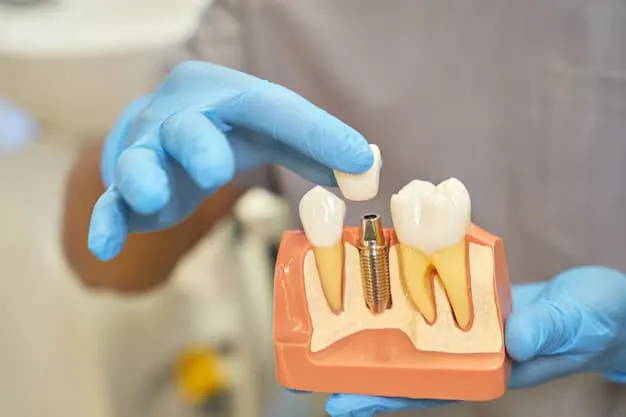

Missing teeth can affect chewing, speech, facial appearance and confidence, while leaving gaps untreated may contribute to changes in the position of neighbouring teeth. Modern implant dentistry offers a fixed approach to replacing missing teeth by using an implant within the jawbone to support a replacement restoration. Treatment requires careful assessment because bone levels, gum health, bite and general oral conditions differ between patients. For individuals considering dental implants Alderley Edge, understanding the treatment process, potential benefits, healing requirements and long term maintenance can help support informed decisions about tooth replacement.
Understanding Dental Implants
Dental implants are designed to replace the root portion of a missing tooth. A small implant is positioned within the jawbone and allowed to integrate with the surrounding bone. Once healing has taken place, an abutment and replacement restoration can be attached. Depending on the number of missing teeth, implants may support individual crowns, bridges or full arch restorations. Careful planning is necessary to establish the appropriate implant position and restoration.
The Main Components
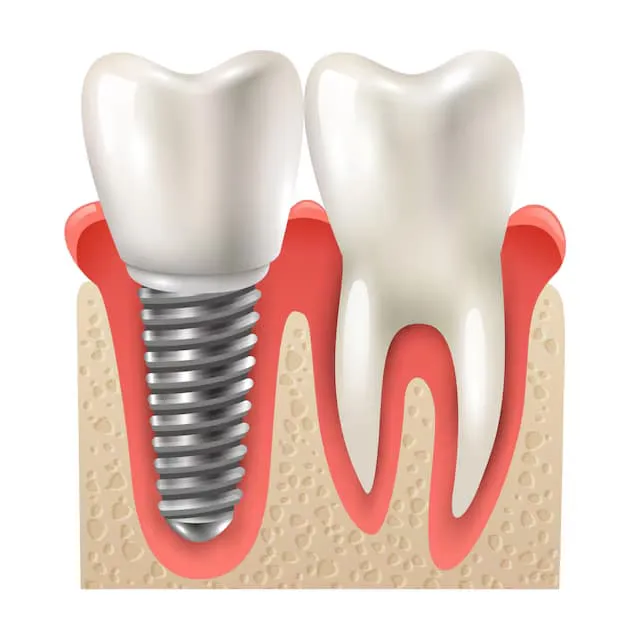
An implant restoration generally includes an implant, an abutment and a visible replacement tooth or restoration. The implant provides a foundation within the jawbone, while the abutment connects this foundation to the crown or other restoration. The visible component is designed according to the position and function of the missing tooth. Together, these elements provide a fixed solution that can restore aspects of normal dental function.
Replacing Missing Tooth Roots
Natural tooth roots provide stimulation to the surrounding jawbone. When a tooth is lost, the bone in that area can gradually reduce because the root is no longer present. An implant provides a structure within the bone and may help maintain the area more effectively than leaving the space untreated. The extent of bone preservation varies between individuals and depends on biological and treatment factors.
Benefits of Dental Implants
Dental implants can provide several benefits for suitable patients with missing teeth. They can support a fixed restoration, restore chewing function and contribute to the appearance of the smile. Unlike a conventional bridge, an implant supported crown does not normally depend on the preparation of neighbouring healthy teeth. The final outcome depends on implant placement, healing, restoration design and ongoing oral care.
Restoring Everyday Function
Missing teeth can make chewing less comfortable and may encourage patients to favour one side of the mouth. An implant supported restoration can help restore a more balanced chewing function once treatment has been completed. The replacement is designed to work with the surrounding teeth and bite. Patients can receive individual guidance about eating during the healing period before returning to normal function.
Supporting Smile Appearance
Gaps caused by missing teeth can affect the appearance of the smile. Implant supported crowns and bridges can be designed to complement neighbouring teeth in colour, shape and size. Front tooth replacement may require particularly detailed planning because the restoration is highly visible. The final aesthetic result depends on factors including tooth position, gum contours and the condition of the surrounding tissues.
Assessing Suitability for Implant Treatment
A comprehensive assessment is essential before implant treatment. The dental professional will examine the teeth, gums and proposed implant sites while reviewing the patient's dental history. Imaging may be used to assess bone quantity and quality and identify important anatomical structures. The bite and condition of neighbouring teeth are also considered. This information helps determine whether implant treatment is suitable and how it should be planned.
Assessing Bone Levels
Dental implants require sufficient bone support for stability. Bone loss can occur after tooth extraction or prolonged tooth loss, potentially affecting implant placement. If the available bone is insufficient, additional treatment such as bone grafting may be considered in suitable cases. The need for grafting depends on the amount of bone available and the intended implant position.
Checking Gum Health
Healthy gum tissue is important for supporting long term implant health. Existing gum disease may need to be treated before implant placement. Patients are also advised about maintaining effective plaque control around the implant after treatment. Good gum health can help reduce the risk of inflammation affecting the tissues surrounding the implant.
The Dental Implant Treatment Process
Implant treatment generally involves several stages. Following assessment and planning, the implant is placed within the jawbone. A healing period then allows the implant to integrate with the surrounding bone. Once stability has been confirmed, the final restoration can be prepared and attached. The exact timeline varies according to the patient's oral health, treatment complexity and healing response.
Implant Placement
During implant placement, the intended site is carefully prepared before the implant is positioned. Local anaesthetic is commonly used to provide comfort during the procedure. The implant is then allowed to heal within the jaw. Specific aftercare instructions are provided to protect the treatment area during the initial recovery stage.
Osseointegration and Healing
Osseointegration describes the process through which the implant becomes integrated with the surrounding jawbone. This stage creates the stable foundation needed to support the final restoration. Healing time differs between patients and may depend on the implant location, bone condition and whether additional procedures have been carried out. Follow up appointments help monitor the progress of healing.
Attaching the Final Restoration
After successful integration, the final restoration can be prepared and fitted. Digital scans or other impressions may be used to create an accurately fitting crown, bridge or other restoration. The restoration is designed to complement the surrounding teeth and provide appropriate function. The bite is also checked to ensure that the completed restoration fits comfortably.
Replacing One or More Missing Teeth
Implant treatment can be used for different levels of tooth loss. A single implant can support an individual crown, while several implants can support a bridge or more extensive restoration. The most appropriate approach depends on the number and position of missing teeth, available bone and the patient's overall dental condition.
Single Tooth Replacement
A single missing tooth can often be replaced using one implant and an implant supported crown. This approach provides a fixed replacement without normally requiring neighbouring teeth to act as supports. The crown can be designed to match surrounding teeth. Detailed positioning is particularly important when replacing a visible front tooth.
Multiple Tooth Replacement
Several missing teeth may be replaced using multiple implants supporting individual crowns or a bridge. The number of implants required depends on the location and extent of tooth loss and the planned restoration. Careful treatment planning can help distribute chewing forces appropriately while considering available bone and the condition of the surrounding tissues.
Full Arch Solutions
Patients with extensive tooth loss may have options involving implant supported full arch restorations. These solutions use strategically positioned implants to support a larger fixed restoration. Suitability depends on bone condition, gum health, general oral health and the patient's individual requirements. A detailed assessment is essential before full arch treatment is considered.
Achieving a Natural Looking Result
A successful implant restoration should provide appropriate function while complementing the surrounding smile. Several factors influence the final appearance, including crown colour, tooth shape, implant position and gum contours. Front tooth replacement often requires additional attention because even small differences can be noticeable. Careful planning helps coordinate the restoration with the existing teeth.
Matching the Crown
The colour and shape of the replacement crown can be selected to complement neighbouring teeth. The surrounding teeth are assessed before the restoration is manufactured. Patients considering future whitening may wish to discuss this before the final crown shade is selected because implant crowns do not whiten in the same way as natural teeth.
Supporting Gum Contours
The appearance of gum tissue around an implant can influence the final result. Appropriate implant positioning and careful restoration design can help create suitable contours. Existing gum recession or tissue deficiencies may affect treatment planning. In selected situations, additional soft tissue procedures may be considered to improve the relationship between the restoration and surrounding gum tissue.
Recovery After Implant Placement
Some swelling, tenderness or mild discomfort may occur after implant surgery. Patients receive individual instructions covering oral hygiene, eating and activities during the recovery period. Following these recommendations can help protect the implant site. Persistent, severe or unusual symptoms should be reported to the dental professional so that they can be assessed promptly.
Eating During Healing
Patients may initially need to choose softer foods and avoid chewing directly over the treatment area. This helps reduce unnecessary pressure during the early stages of healing. As the tissues recover, the diet can normally be expanded according to professional advice. The exact recommendations depend on the complexity of treatment and implant stability.
Maintaining Oral Hygiene
Good oral hygiene is essential throughout implant treatment. Patients should clean the remaining teeth carefully and follow specific instructions for the surgical area. Once healing has progressed, brushing and interdental cleaning around the implant can help control plaque. Professional hygiene appointments may also provide additional support for maintaining healthy gums.
Long Term Care for Dental Implants
Dental implants can provide a long lasting tooth replacement, but they still require regular care. Although the implant itself cannot develop tooth decay, the surrounding tissues can become inflamed if plaque is allowed to accumulate. Daily cleaning and regular professional examinations are therefore important for protecting the implant and restoration.
Regular Dental Reviews
Routine reviews allow the implant, crown, gums and surrounding teeth to be examined. Dental professionals can identify signs of inflammation, wear or changes in the restoration. Early assessment can help address potential problems before they become more complicated. Review intervals are based on individual oral health and professional recommendations.
Protecting the Implant
Patients should avoid habits that place excessive pressure on implant restorations, such as chewing very hard objects. Individuals who grind or clench their teeth may require additional advice or protective measures. Appropriate mouth protection may also be recommended for contact sports. Individual risks should be discussed during routine dental appointments.
Conclusion
Dental implants can provide a fixed and functional approach to replacing missing teeth for suitable patients. They can support individual crowns, bridges or larger restorations while helping restore aspects of chewing and smile appearance. Successful treatment depends on careful assessment, suitable bone and gum health, accurate implant placement, adequate healing and appropriate restoration design. Long term maintenance remains essential because the tissues around implants require regular professional and daily care. For patients considering carefully planned tooth replacement in the local area, Hale Dental and Implant Clinic can provide personalised implant guidance based on individual dental requirements.



























Sign in to leave a comment.