
Dental implants have become one of the most effective solutions for replacing missing teeth, offering a permanent and natural-looking option for individuals seeking to restore their smile. In Birmingham, the popularity of dental implants continues to grow due to their long-lasting results and improvements in oral function. This article explores the dental implants in birmingham procedure, its benefits, and what patients can expect during recovery.
Understanding Dental Implants
What Are Dental Implants
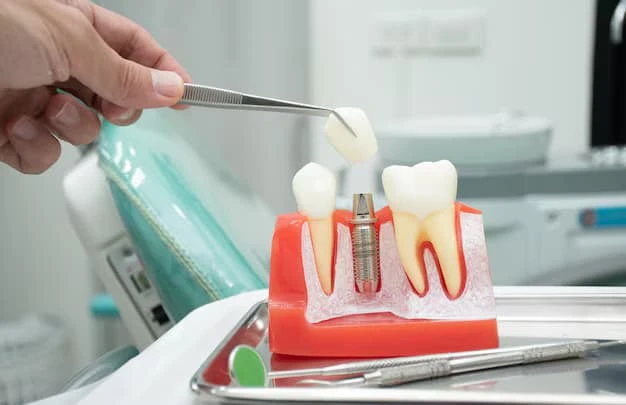
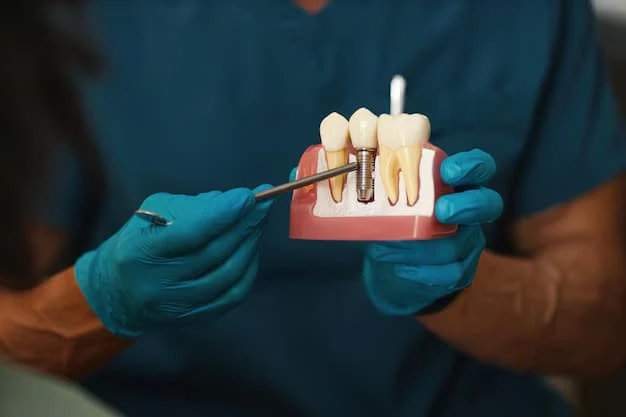
Dental implants are artificial tooth roots, usually made from titanium, that are surgically placed into the jawbone. These implants serve as a strong foundation for fixed or removable replacement teeth. Unlike dentures, which rest on the gums, implants integrate with the jawbone, providing stability and preventing bone loss.
Who Can Benefit from Dental Implants
Dental implants are suitable for most adults who have lost one or more teeth due to injury, decay, or periodontal disease. Candidates need to have healthy gums and sufficient bone density to support the implant. Individuals with certain medical conditions may require additional evaluation before undergoing the procedure.
The Dental Implant Procedure
Initial Consultation and Assessment
The first step in the dental implant process is a comprehensive assessment by a dental professional. This includes reviewing the patient’s medical and dental history, conducting oral examinations, and taking imaging such as X-rays or 3D scans. These assessments ensure the jawbone is suitable for implant placement and help plan the optimal position for the implants.
Tooth Extraction (If Necessary)
If the patient has a damaged tooth that cannot be saved, it will need to be extracted before placing the implant. In some cases, the implant can be placed immediately after extraction, while other situations may require a healing period to allow the jawbone to recover.
Bone Grafting (If Necessary)
Bone grafting may be necessary for patients who have insufficient jawbone to support an implant. This procedure involves adding bone material to the jaw to strengthen it, creating a stable base for the implant. Bone grafts typically require several months to heal before the implant can be placed.
Implant Placement Surgery
Once the jawbone is ready, the implant is surgically inserted. Under local anesthesia, the dentist makes a small incision in the gum to expose the bone. The implant is then carefully positioned, and the gum is closed with stitches. Over the next few months, the implant undergoes a process called osseointegration, during which it fuses with the jawbone to provide a secure foundation.
Abutment Placement
After successful integration, an abutment is attached to the implant. The abutment serves as a connector between the implant and the replacement tooth. In some cases, the abutment may be placed during the initial surgery, depending on the patient’s healing and the dentist’s assessment.
Placement of the Crown
The final stage involves placing the dental crown, bridge, or denture on top of the abutment. The replacement tooth is custom-made to match the natural teeth in color, shape, and size, ensuring a natural-looking smile and proper bite alignment.
Benefits of Dental Implants
Improved Appearance
Dental implants look and feel like natural teeth, restoring the patient’s smile and facial structure. They help prevent the sunken appearance that can occur when teeth are missing, maintaining the overall aesthetics of the face.
Enhanced Oral Function
Implants provide strong support for chewing and speaking. Unlike dentures, which can slip or cause discomfort, dental implants allow patients to eat a wide variety of foods and speak clearly without fear of shifting teeth.
Long-Term Durability
With proper care, dental implants can last many years, often a lifetime. The titanium posts are highly durable and resistant to decay, making implants a long-term investment in oral health.
Preservation of Jawbone and Oral Health
Dental implants stimulate the jawbone, preventing bone loss that often occurs after tooth extraction. They also help maintain the alignment of adjacent teeth, reducing the risk of oral health issues such as shifting teeth and bite problems.
Convenience and Confidence
Unlike removable dentures, dental implants do not require adhesives or special cleaning routines. This convenience, combined with their natural appearance, enhances patient confidence in both social and professional settings.
Recovery After Dental Implant Surgery
Immediate Post-Surgery Care
Following the implant surgery, patients may experience mild swelling, bruising, or discomfort. Pain can typically be managed with prescribed or over-the-counter medications. Maintaining good oral hygiene, following dietary recommendations, and attending follow-up appointments are crucial during the initial recovery period.
Healing and Osseointegration
The healing process can take several months as the implant fuses with the jawbone. During this time, patients are advised to avoid putting excessive pressure on the implant site and to follow a soft-food diet if necessary. Regular check-ups ensure proper healing and detect any potential complications early.
Adjusting to the Final Restoration
Once the crown or prosthetic tooth is placed, patients may need a short period to adjust to the new tooth. Most people quickly adapt, regaining full functionality and comfort. Ongoing dental visits help monitor the implant and surrounding tissues to maintain long-term success.
Tips for Long-Term Maintenance
Dental implants require the same care as natural teeth, including regular brushing, flossing, and professional cleanings. Avoiding excessive force on the implant, such as chewing hard objects, and refraining from smoking can significantly enhance the lifespan of the implant.
Potential Risks and Considerations
While dental implants have a high success rate, it is important to be aware of potential risks. These may include infection at the implant site, implant failure, nerve damage, or sinus problems in upper jaw implants. Choosing a qualified dental professional and following post-operative instructions can greatly reduce these risks.
Choosing the Right Dental Professional
Selecting an experienced and skilled dental professional is critical for successful dental implants. Patients in Birmingham are encouraged to seek providers who offer comprehensive consultations, utilize advanced imaging techniques, and follow strict hygiene and safety protocols. Proper expertise ensures a smoother procedure, better aesthetic results, and a lower risk of complications.
Conclusion
Dental implants offer a reliable and long-lasting solution for individuals looking to restore their smile, improve oral function, and maintain jawbone health. The procedure, while involving several stages, is highly effective and provides benefits that significantly enhance quality of life. By understanding the steps involved, the advantages, and the recovery process, patients can make informed decisions and feel confident about choosing dental implants as a treatment option. For those seeking dental implants in Birmingham, Cadbury Dental provides expert care and guidance, helping patients achieve a healthy, confident, and natural-looking smile.































Sign in to leave a comment.