
Tooth loss can affect more than just appearance; it can also impact speech, chewing ability, and overall oral health. For many individuals, finding a lasting and natural-looking solution is a top priority. Dental implants have emerged as one of the most advanced and reliable options for replacing missing teeth. For anyone searching for dental implants in Essex, this comprehensive guide explains everything about the procedure, benefits, and why it is considered a permanent solution for restoring smiles.
Understanding Dental Implants
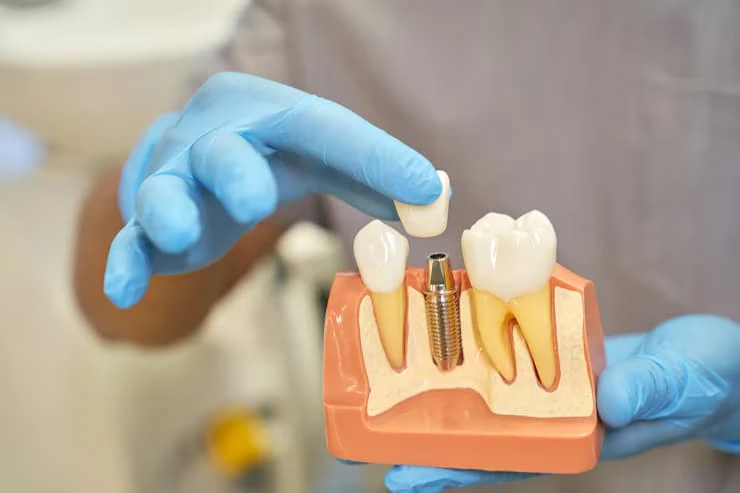
Dental implants are artificial tooth roots made from biocompatible titanium that are surgically placed into the jawbone. Once integrated with the bone, they serve as a stable foundation for replacement teeth such as crowns, bridges, or dentures.
How Dental Implants Work
A dental implant consists of three main parts:
- Implant Post: The titanium screw that replaces the natural tooth root and fuses with the jawbone.
- Abutment: A connector that attaches the implant to the replacement tooth.
- Crown: The visible part of the implant designed to look and function like a natural tooth.
This design ensures stability, strength, and a natural appearance that closely mimics real teeth.
Why Dental Implants Are a Popular Choice
Dental implants are widely regarded as the gold standard for tooth replacement. Unlike dentures or bridges, they do not rely on surrounding teeth for support, nor do they shift or move while eating or speaking.
Long-Term Durability
With proper care, dental implants can last for decades or even a lifetime. Their titanium construction allows them to integrate securely with the jawbone through a process called osseointegration, ensuring unmatched stability.
Natural Appearance and Feel
Dental implants look and feel almost identical to natural teeth. They restore confidence, improve aesthetics, and allow individuals to smile, speak, and eat comfortably without concern.
Improved Oral Health
Implants preserve bone density and prevent the jawbone from shrinking, a common problem that occurs after tooth loss. They also maintain the structure of surrounding teeth and prevent misalignment.
The Dental Implant Procedure Explained
Getting dental implants is a multi-step process that requires careful planning and precision.
Step 1: Consultation and Assessment
The process begins with an in-depth consultation and examination. X-rays or 3D scans may be used to assess the condition of the jawbone and determine whether it can support implants. The dentist will discuss treatment options and create a personalized plan.
Step 2: Implant Placement
The titanium implant is surgically placed into the jawbone. Local anaesthesia ensures a comfortable experience during the procedure. After placement, the implant needs time to bond with the bone, a process that typically takes several months.
Step 3: Healing and Osseointegration
During this healing phase, the jawbone fuses with the implant, creating a stable foundation. Temporary restorations may be used to maintain aesthetics during this time.
Step 4: Abutment and Crown Placement
Once the implant has integrated, an abutment is attached to connect the implant to the replacement tooth. A custom-made crown is then placed on top, completing the restoration and delivering a fully functional and natural-looking tooth.
Who Can Benefit from Dental Implants in Essex
Dental implants are suitable for a wide range of patients, but a thorough evaluation is essential to determine candidacy.
Ideal Candidates
- Individuals missing one or more teeth.
- Patients with sufficient bone density in the jaw.
- Those with healthy gums and good overall oral hygiene.
- Non-smokers or individuals willing to quit smoking during healing.
Patients Who May Need Additional Treatment
Some individuals may require bone grafting or sinus lift procedures before receiving implants if bone density is insufficient. These preparatory treatments help ensure implant stability and long-term success.
Types of Dental Implants
Different implant options are available depending on the patient’s needs and the extent of tooth loss.
Single Tooth Implants
Used when only one tooth is missing. The implant supports a single crown for a seamless and natural look.
Implant-Supported Bridges
Ideal for replacing several missing teeth in a row without relying on natural teeth for support.
Full Arch Implants
For patients who have lost all teeth in one or both jaws, full arch implants or “All-on-4” systems can restore complete function and aesthetics using a few strategically placed implants.
Mini Dental Implants
Smaller in size, these are used when bone volume is limited or for stabilizing dentures.
Benefits of Choosing Dental Implants
Dental implants offer numerous advantages that go beyond cosmetic enhancement.
Enhanced Functionality
Implants restore full chewing power, allowing individuals to enjoy their favorite foods without worry.
Speech Improvement
Unlike dentures, which can slip and cause speech difficulties, implants stay securely in place and help maintain clear pronunciation.
Bone Preservation
Tooth loss often leads to jawbone deterioration. Implants stimulate bone growth, maintaining facial structure and preventing sagging or premature aging.
Comfort and Convenience
Because implants become part of the jawbone, they eliminate discomfort and inconvenience associated with removable dentures.
Improved Confidence
A complete and beautiful smile can significantly boost self-esteem and overall quality of life.
Caring for Dental Implants
Proper care and maintenance are key to ensuring the longevity and success of dental implants.
Daily Oral Hygiene
Brush and floss twice a day using non-abrasive toothpaste and a soft-bristled toothbrush. Pay special attention to the gumline around the implant.
Routine Dental Visits
Regular dental check-ups are essential to monitor the health of the implants and surrounding tissues. Professional cleaning helps remove any plaque or tartar that may accumulate.
Healthy Lifestyle Choices
Avoid smoking, as it can hinder the healing process and increase the risk of implant failure. Maintaining a balanced diet supports both oral and overall health.
Avoid Excessive Force
Refrain from using teeth to open packages or bite hard objects, as this can damage the crown or abutment.
Common Questions About Dental Implants
Are Dental Implants Painful?
The procedure is performed under anaesthesia, ensuring minimal discomfort. Some mild soreness may occur after placement, but this typically subsides within a few days.
How Long Do Dental Implants Last?
With proper care, dental implants can last a lifetime. The crowns may need replacement over time due to natural wear, but the titanium posts remain permanent.
Can Implants Replace Multiple Teeth?
Yes, implants can support bridges or full arches, making them a versatile solution for multiple missing teeth.
What Is the Success Rate of Dental Implants?
Dental implants have a success rate of over 95 percent when performed by experienced professionals and maintained properly.
Why Choose Dental Implants in Essex
Dental implants are an ideal choice for individuals seeking a reliable and natural-looking tooth replacement solution. Essex offers access to skilled professionals and modern dental facilities that specialize in implant procedures.
Benefits of Local Treatment
- Convenient appointments and follow-ups.
- Access to experienced implant specialists.
- Personalised care and support throughout the treatment journey.
Choosing a trusted dental provider in Essex ensures a seamless experience from consultation to final restoration.
Conclusion
Dental implants provide a long-lasting, comfortable, and natural solution for missing teeth, helping individuals restore their smiles with confidence. They not only enhance appearance but also promote better oral health and functionality. For anyone considering dental implants in Essex, consulting an experienced dental team ensures the best possible results and lifelong benefits. For expert implant care and professional guidance, patients can rely on Perfect Smile Spa to achieve a healthy and confident smile.





























Sign in to leave a comment.