Missing a tooth changes more than your smile. It affects how you chew, how you speak, and even how confident you feel in everyday conversations — whether you’re ordering coffee downtown or meeting friends near the North Shore Mall. The good news is that modern dentistry offers predictable, long-lasting solutions that look and feel natural.
At Coastal Dental Arts Peabody, many patients ask for a clear, practical explanation before deciding on treatment. This guide walks you through how implant-based tooth replacement works, the different options available, and what local patients should know before starting care.
If you’re researching dental implants in Peabody or looking for the best way to replace a missing tooth, this step-by-step overview will help you make a confident decision.
What Is an Implant-Based Tooth Replacement?
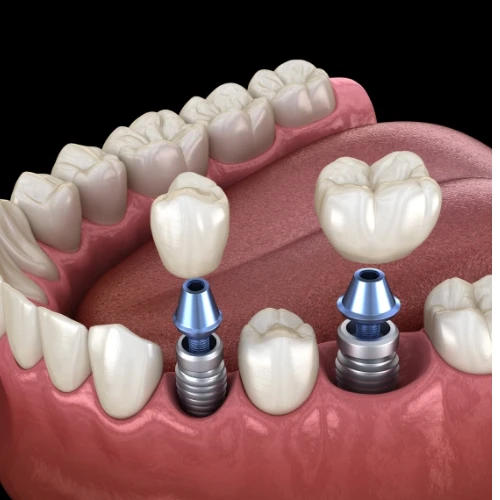
An implant is a small titanium post placed in the jawbone to act like an artificial tooth root. Once it bonds with the bone, a custom crown (the visible tooth) is attached on top. The result is stable, functional, and designed to blend with your natural teeth.
Unlike removable options, this method supports the jawbone and does not rely on neighboring teeth for support.
Think of it as rebuilding your tooth from the root up — not just covering the gap.
Why Patients Choose This Option to Replace a Missing Tooth
People across Peabody choose this solution because it addresses both appearance and health.
Key advantages include:
- Natural look and feel
- Strong chewing ability
- Helps prevent bone shrinkage
- Does not damage nearby teeth
- Long service life with proper care
- Fixed in place — no slipping or clicking
For patients who enjoy active lifestyles, dining out, and social events, stability and confidence are major benefits.
Common Dental Implant Types
Not every smile needs the same approach. Your dentist will recommend a design based on how many teeth are missing and your bone condition.
Single Tooth Replacement:
- Best for one missing tooth
- Preserves surrounding teeth
- Most common treatment type
Implant-Supported Bridge:
- Used when several teeth are missing in a row
- Fewer posts support multiple crowns
- Stronger than a traditional bridge
Full-Arch Implant Support:
- Replaces most or all teeth in an arch
- Anchors a fixed full set of teeth
- Greater stability than removable dentures
When reviewing dental implant types, the right choice depends on spacing, bone volume, and long-term goals — not just the number of missing teeth.
What the Treatment Journey Looks Like
Many patients expect the process to be complicated. In reality, it’s structured and carefully planned.
Typical phases include:
- Consultation and digital scans
- Personalized treatment planning
- Post placement procedure
- Healing and bone integration period
- Custom crown or restoration placement
Healing time varies, but planning ahead helps avoid delays — especially important for busy families and working professionals in the Peabody area.
Local Factors That Matter for Peabody Patients
Dental decisions aren’t made in a vacuum — they’re part of real life.
Local patients often ask practical questions like:
- How many visits will this take with my commute?
- Can appointments be scheduled around school hours?
- What if winter weather affects travel?
- Are follow-ups nearby if adjustments are needed?
Choosing a local provider means easier follow-ups, faster help if something feels off, and continuity of care from a team that knows your dental history.
Bone Health: The Often-Missed Piece
Here’s something many people don’t realize: when a tooth is missing, the jawbone in that area begins to shrink. That process can start within months.
Early replacement helps maintain bone structure. Waiting too long may require additional procedures before placement is possible.
Early evaluation protects your options.
Interactive Smile Check — Are You a Candidate?
You may be a good candidate if you:
- Have one or more missing teeth
- Want a fixed, non-removable solution
- Have healthy gums
- Do not smoke heavily (or are willing to pause)
- Maintain regular dental visits
- Want long-term value rather than short-term fixes
Even if you’ve been missing a tooth for years, modern techniques may still make treatment possible.
How to Make Your Results Last
Success doesn’t end after placement. Maintenance matters.
Protect your investment with:
- Daily brushing and flossing
- Regular hygiene visits
- Nightguard use if you grind
- Avoiding tobacco
- Managing diabetes if applicable
- Promptly reporting discomfort
Implant-supported teeth can last many years with proper care.
Cost vs. Value — A Practical Perspective
Some patients hesitate because of upfront cost. But comparing lifetime value tells a different story.
Lower-cost options may need replacement multiple times. A well-planned implant restoration often lasts significantly longer and protects surrounding structures — reducing future dental expenses.
Many practices offer phased treatment or financing to make care more manageable.
FAQs Patients Ask Before Booking
Is the procedure painful?
Most patients report mild to moderate discomfort, often less than expected. Local anesthesia and modern techniques improve comfort.
How long does treatment take?
From planning to final crown, it may take a few months depending on healing speed and case complexity.
Am I too old for this treatment?
Age alone is not a barrier. Overall health and bone condition matter more.
What if I’ve been missing a tooth for years?
You may still qualify, though bone grafting could be recommended.
How do I choose among Dental Implant Types?
Your dentist will review scans, bite forces, and spacing to recommend the safest and most durable option.
Can I go back to work quickly?
Many patients return to normal activity within a day or two.



























Sign in to leave a comment.