
Introduction
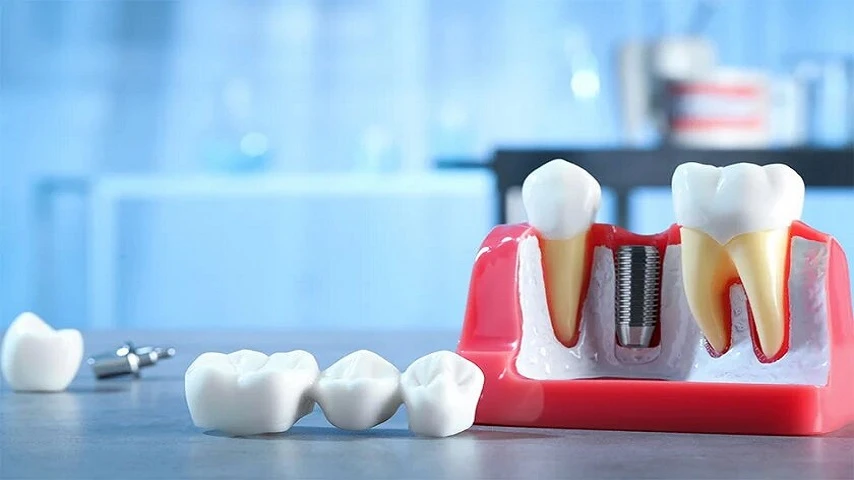
Dental implants have revolutionized the field of dentistry, offering a permanent solution for missing teeth that closely mimics the natural tooth structure.
Unlike traditional dentures or bridges, which sit on the gum line or rely on adjacent teeth for support, dental implants services are anchored into the jawbone, providing stability and functionality similar to natural teeth.
Benefits of Dental Implants
Restoring Function
One of the primary benefits of dental implants is their ability to restore full chewing power, allowing individuals to enjoy their favorite foods without restrictions.
Unlike removable dentures, which can slip or cause discomfort while eating, dental implants function just like natural teeth, providing a strong and stable bite.
Preventing Bone Loss
When a tooth is lost, the surrounding bone in the jaw begins to deteriorate over time due to lack of stimulation. Dental implants help prevent this bone loss by acting as artificial tooth roots, stimulating the jawbone and preserving its density and strength.
Enhancing Appearance
Dental implants not only restore function but also improve the appearance of the smile. By replacing missing teeth with natural-looking prosthetics, implants can boost confidence and self-esteem, allowing individuals to smile, speak, and laugh with ease.
Types of Dental Implants
There are two main types of dental implants: endosteal implants and subperiosteal implants. Endosteal implants are surgically placed directly into the jawbone, while subperiosteal implants are positioned on top of the bone, underneath the gum tissue. Endosteal implants are the most common type and offer the highest success rate.
Dental Implant Procedure
The dental implant process typically involves several stages, starting with an initial consultation to assess the patient's oral health and determine their eligibility for implants.
Once deemed a suitable candidate, the implant placement procedure is performed, followed by a healing period during which the implant fuses with the jawbone.
Finally, the restoration, such as a crown or bridge, is attached to the implant, completing the restoration process.
Factors to Consider
Before undergoing dental implant treatment, there are several factors to consider, including cost, eligibility, and success rate.
While dental implants may require a significant upfront investment, they offer long-term benefits and are often more cost-effective in the long run compared to alternative tooth replacement options.
Aftercare Tips
Proper aftercare is essential for the long-term success of dental implants. Patients should maintain good oral hygiene by brushing and flossing regularly, as well as attending regular dental check-ups to monitor the health of their implants and surrounding teeth.
Common Misconceptions
Despite their numerous benefits, there are still some common misconceptions about dental implants. Contrary to popular belief, the implant procedure is relatively painless, thanks to modern anesthesia and sedation techniques.
Additionally, with advancements in dental technology, dental implants are virtually indistinguishable from natural teeth, ensuring a seamless and natural-looking smile.
Choosing a Dental Implant Provider
When considering dental implant treatment, it's essential to choose a qualified and experienced provider. Look for a dentist or oral surgeon who specializes in implant dentistry and has a track record of successful outcomes.
Reading patient testimonials and reviews can also provide valuable insight into the quality of care provided by a particular dental practice.
Conclusion
Dental implants offer a permanent solution for missing teeth, restoring function, appearance, and confidence. By understanding the benefits, types, procedure, and aftercare associated with dental implants, individuals can make informed decisions about their oral health and reclaim their smile with confidence.
FAQs
What is the average cost of dental implants?
The cost of dental implants varies depending on factors such as the number of implants needed, the complexity of the case, and the location of the dental practice.
On average, a single dental implant can cost anywhere from $1,000 to $3,000, not including additional fees for procedures such as bone grafting or implant-supported dentures.
Are dental implants permanent?
Dental implants are designed to be a permanent solution for missing teeth, with proper care and maintenance. While the prosthetic crown or bridge attached to the implant may need to be replaced over time due to normal wear and tear, the implant itself can last a lifetime with good oral hygiene and regular dental check-ups.
Can anyone get dental implants?
While dental implants are a viable option for many individuals, not everyone is a suitable candidate. Factors such as overall health, bone density, and oral hygiene habits play a significant role in determining eligibility for dental implant treatment.
A thorough evaluation by a qualified dentist or oral surgeon is necessary to assess candidacy for implants.
How long does the dental implant procedure take?
The dental implant procedure typically involves multiple appointments spread out over several months. The initial consultation and implant placement procedure can take anywhere from one to three hours, depending on the complexity of the case.
The healing period, during which the implant fuses with the jawbone, can take several months, followed by the attachment of the restoration.
Are dental implants covered by insurance?
Dental implant coverage varies depending on the patient's insurance plan and provider. While some dental insurance plans may cover a portion of the cost of dental implants, others may consider them elective or cosmetic procedures and provide limited or no coverage.
Patients should consult with their insurance provider to determine their coverage options and any out-of-pocket expenses associated with dental implant treatment.
Read more.....





























Sign in to leave a comment.