

Replacing missing teeth can restore important aspects of oral function, including chewing, speaking, and maintaining a balanced bite. Dental Implants are designed to replace missing tooth roots and support restorations that resemble natural teeth. Understanding what happens before, during, and after implant treatment can help patients approach the process with greater confidence. Treatment usually involves several stages, including an initial evaluation, implant placement, healing, and restoration. Each stage plays an important role in creating a stable result while allowing the dental professional to address the patient's individual oral health needs.
Understanding Dental Implant Treatment
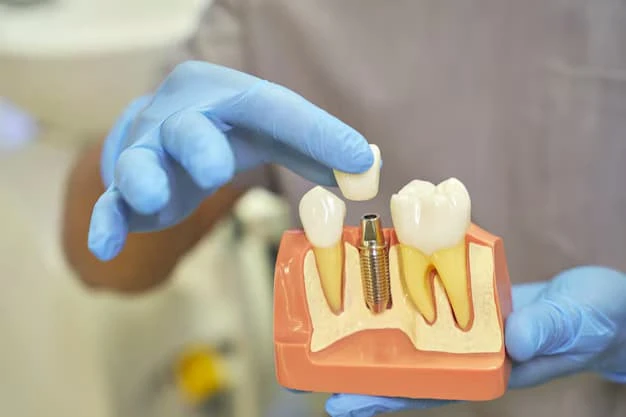
Dental implants consist of biocompatible posts that are placed into the jawbone to replace missing tooth roots. After placement, the implant can gradually integrate with the surrounding bone through a process known as osseointegration. Once adequate healing occurs, the implant can support an abutment and dental restoration. Depending on the patient's situation, the restoration may be a crown, bridge, or another prosthetic solution. Implant treatment is carefully planned because bone health, gum condition, general oral health, and the location of missing teeth can all influence the process.
Why Tooth Replacement Matters
Missing teeth can affect more than appearance. Gaps may make chewing certain foods more difficult and can influence speech or the way surrounding teeth meet. Over time, neighboring teeth may shift toward an empty space, potentially affecting bite balance. The jawbone in the area of a missing tooth can also gradually lose volume because it no longer receives stimulation from a natural tooth root. Replacing missing teeth can help restore function while supporting a more complete and balanced oral structure.
What Happens Before Treatment
The process begins with a comprehensive dental evaluation to determine whether implant treatment is appropriate. The dental professional may examine the teeth, gums, jawbone, bite, and overall oral health. Diagnostic imaging may also be used to evaluate bone structure and identify important anatomical features. Patients should discuss their medical and dental history, current medications, previous procedures, and concerns during the consultation. This information allows the treatment team to develop an individualized plan and identify any factors that may need attention before implant placement.
Evaluating Bone and Gum Health
Adequate bone support is important for successful implant placement because the implant needs a stable foundation. Some patients who have experienced significant bone loss may require additional procedures before an implant can be placed. Gum health is also important because active periodontal problems can interfere with the stability and long term health of an implant. If gum disease or other oral health problems are identified, they may need to be addressed first. Careful preparation can improve the conditions needed for predictable implant treatment.
Preparing for Implant Placement
Once the patient has been evaluated and deemed suitable for treatment, the dental professional will explain the planned procedure. Preparation may include reviewing medications, discussing anesthesia or sedation options, and providing instructions for the day of surgery. Patients should ask questions about eating, drinking, transportation, medications, and recovery before the appointment. Having clear instructions can reduce uncertainty and make the treatment day easier to manage. Patients should also arrange for appropriate aftercare support when recommended, especially if sedation or a more extensive procedure is planned.
Understanding the Treatment Plan
Every implant case is different, so the treatment timeline and number of appointments can vary. Some patients need one implant, while others may require several implants to replace multiple missing teeth. Additional procedures may also be necessary depending on bone and gum conditions. The dental professional should explain where implants will be placed, what type of restoration is planned, and how long each stage may take. Understanding the sequence allows patients to prepare realistically for appointments, healing periods, and the final restoration.
What Happens During Implant Placement
During implant placement, the dental professional creates an appropriate opening in the jawbone and carefully positions the implant post. Local anesthesia is commonly used to keep the area comfortable during the procedure, while additional sedation may be considered for certain patients or procedures. Once the implant is positioned, the site is managed according to the treatment plan. The procedure length varies depending on the number of implants and complexity of the case. Patients receive specific instructions afterward to support proper healing.
Comfort During the Procedure
Many patients are concerned about discomfort during implant placement. Modern dental techniques and appropriate anesthesia can make the procedure more manageable. Patients should discuss dental anxiety, sensitivity, or previous experiences with their dental professional before treatment. Understanding what will happen during the appointment can also reduce uncertainty. After the procedure, some tenderness, swelling, or sensitivity may occur as the tissues begin to heal. Following the provided instructions carefully can help patients manage these temporary effects and support a smoother recovery.
The Healing and Integration Period
After implant placement, the jawbone needs time to integrate with the implant. This process can take several months depending on individual healing and the location of the implant. During this period, patients must follow their dental professional's recommendations regarding oral hygiene, diet, activity, and follow up appointments. The implant may not yet support the final restoration during the early healing stage. Regular monitoring allows the dental professional to evaluate healing and determine when the implant is ready for the next phase of treatment.
Protecting the Healing Area
Patients should avoid unnecessarily disturbing the surgical area while it heals. Maintaining good oral hygiene is important, but cleaning should follow the specific instructions provided by the dental professional. Depending on the procedure, patients may temporarily need to modify certain foods or avoid pressure on the treatment site. Smoking and other habits that interfere with healing should be discussed with the dental team. Reporting unusual pain, persistent swelling, bleeding, or other concerning symptoms promptly allows potential complications to be evaluated appropriately.
Receiving the Final Restoration
Once the implant has successfully integrated with the jawbone and the surrounding tissues are ready, the restorative stage can begin. An abutment may be connected to the implant to provide support for the final dental restoration. Impressions or digital scans can be used to design a restoration that fits the patient's bite and surrounding teeth. The final crown, bridge, or other restoration is then attached according to the treatment plan. The goal is to create a stable replacement that functions comfortably and complements the appearance of the smile.
Achieving a Natural Looking Result
A properly planned implant restoration should be designed with attention to shape, size, color, and bite. The surrounding teeth provide important references when creating the final restoration. Patients can discuss their cosmetic preferences and functional concerns during the restorative process. The dental professional evaluates the fit and appearance before completing treatment. While implants can closely resemble natural teeth, the final result depends on factors such as available bone, gum contours, restoration design, and individual healing.
Caring for Implants After Treatment
Implants require ongoing care even though they cannot develop cavities in the same way as natural teeth. The surrounding gums and bone still need protection from plaque and inflammation. Patients should brush regularly, clean between teeth, and follow any specialized hygiene recommendations provided by their dental professional. Routine dental examinations are also important because the implant and surrounding tissues should be monitored over time. Good home care and professional maintenance can help support the long term function and appearance of implant restorations.
Maintaining Long Term Oral Health
Long term implant care depends on consistent oral hygiene and healthy habits. Patients should avoid treating an implant restoration as completely maintenance free. Regular cleaning can help control plaque around the implant and neighboring teeth. Dental professionals may recommend specific brushes, flossing techniques, or interdental cleaning tools depending on the patient's needs. Routine examinations also provide an opportunity to identify changes in gum health or restoration condition. Consistent maintenance can help preserve the overall health of the mouth and protect the investment made in tooth replacement.
Understanding Potential Risks and Expectations
Like other dental procedures, implant treatment has potential risks and limitations. Healing can vary from one person to another, and complications can occasionally occur. Factors such as poor oral hygiene, smoking, uncontrolled health conditions, inadequate bone support, and certain treatment circumstances may affect outcomes. Patients should discuss potential risks and benefits openly with their dental professional. Understanding both the advantages and limitations of implant treatment allows patients to make informed decisions rather than expecting every case to follow exactly the same timeline or produce identical results.
Why Follow Up Visits Matter
Follow up appointments allow the dental professional to monitor healing, evaluate the implant, and check the condition of surrounding tissues. These visits are important even when the patient feels comfortable and believes healing is progressing normally. The dental team can identify concerns that may not produce noticeable symptoms during the early stages. After the final restoration is placed, periodic examinations continue to support long term maintenance. Patients should attend recommended appointments and communicate any changes in comfort, bite, or restoration stability.
Making an Informed Decision About Implants
Dental implant treatment is a significant process that requires planning, patience, and ongoing care. Patients should consider their oral health, treatment timeline, financial responsibilities, lifestyle, and long term maintenance requirements before proceeding. A consultation provides an opportunity to discuss available alternatives and determine whether implants are appropriate. Patients should ask about every stage, including preparation, surgery, healing, restoration, and follow up care. Having a clear understanding of the complete process can make it easier to approach treatment with realistic expectations and greater confidence.
Conclusion
Dental implant treatment involves several important stages, from the initial examination and treatment planning to implant placement, healing, restoration, and long term maintenance. Patients who understand these steps can prepare more effectively and participate actively in their care. Maintaining healthy gums, following post treatment instructions, attending follow up appointments, and practicing consistent oral hygiene are all important for protecting the result. Individuals considering tooth replacement can discuss their needs, concerns, and treatment options with Smiles by Rizzo when exploring personalized dental implant care.

























Sign in to leave a comment.