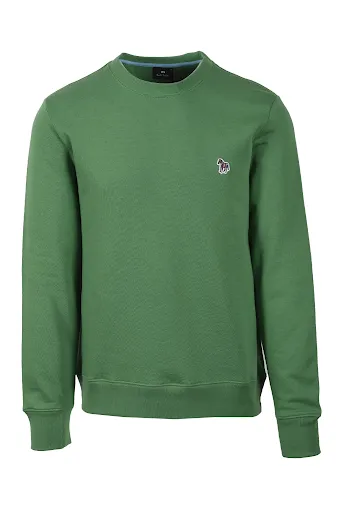

A good sweatshirt should feel comfortable without appearing oversized or losing its shape. The fit can influence how a sweatshirt looks, layers, and performs during everyday wear. The Bye Co sweatshirt has attracted attention for its relaxed, casual appearance, making sizing and proportions important considerations before purchase. Understanding the cut, shoulder position, sleeve length, body width, and overall silhouette can make sizing decisions much easier. Fabric weight and construction also affect how the garment sits after washing and regular use. A closer look at these details provides a practical way to understand what kind of fit can be expected from this popular sweatshirt style.
Understanding the Overall Fit
The Bye Co sweatshirt generally follows a relaxed casual silhouette rather than a sharply fitted shape. The body offers enough room for comfortable movement, while the design maintains a structured appearance instead of looking excessively loose. This type of fit works well with jeans, relaxed trousers, joggers, and casual shorts. The shoulder area is particularly important because a slightly dropped or relaxed shoulder can create a broader appearance across the upper body. The sleeve length should normally extend comfortably toward the wrist without creating excessive fabric around the hands. A suitable size should provide room through the chest and torso while still maintaining a balanced outline.
How the Body Width Affects Comfort
Body width is one of the most noticeable features when assessing sweatshirt sizing. A narrower sweatshirt creates a cleaner and closer silhouette, while additional width produces a more relaxed streetwear appearance. The Bye Co sweatshirt is better understood through the relationship between chest width and overall length rather than relying only on a standard size label. A wider body can feel comfortable during daily activities and allows a T-shirt or lightweight layer underneath. However, excessive width can make the sweatshirt appear boxy. Checking garment measurements against a sweatshirt already owned can provide a more reliable sizing reference than selecting a size based only on general assumptions.
Shoulder and Sleeve Fit
Shoulder placement has a major effect on the appearance of any sweatshirt. A traditional shoulder seam sits close to the natural shoulder line, while a relaxed sweatshirt may position the seam slightly lower. This creates a softer and more contemporary shape. The Bye Co sweatshirt can be evaluated by checking whether the shoulder seam sits naturally and whether the sleeve falls comfortably along the arm. Sleeves should provide enough length for normal movement without constantly covering the hands. Ribbed cuffs can also help control sleeve position. A slightly relaxed sleeve is generally suitable for casual styling, particularly when the sweatshirt is intended to provide an easy everyday layer.
Length and Proportion Matter
Sweatshirt length should complement both the body shape and the clothing worn underneath. A garment that is too short can expose the lower layer during movement, while excessive length may make the overall outfit appear unbalanced. The Bye Co sweatshirt works best when the hem sits at a comfortable position around the hip area, depending on individual proportions and preferred styling. A relaxed body does not necessarily require extra length. In many casual sweatshirt designs, additional width combined with moderate length creates the desired oversized appearance without making the garment look like a tunic. Comparing body length with a well-fitting sweatshirt can help establish a practical reference point.
How Fabric Changes the Fit
Fabric composition and weight can influence how a sweatshirt feels and looks after wearing. A heavier material tends to create more structure, allowing the garment to maintain its shape around the shoulders and torso. Softer or lighter fabric may drape closer to the body and create a more fluid appearance. The Bye Co sweatshirt should therefore be considered in terms of both measurements and material characteristics. A sweatshirt that initially feels slightly roomy may settle into a comfortable shape after regular wear. Care instructions also matter because incorrect washing or drying can affect shrinkage, length, and overall fit. Following the recommended care method helps preserve the original proportions.
How to Pick the Right Size
Selecting the right sweatshirt size becomes easier when measurements are used instead of relying entirely on labels such as small, medium, or large. Chest width, body length, shoulder width, and sleeve length provide useful information for comparison. A practical method involves measuring a favorite sweatshirt while it is laid flat and comparing those measurements with the available size information for The Bye Co. If a relaxed look is preferred, a little additional room may be appropriate. For a cleaner appearance, a closer measurement may be more suitable. The intended layering style should also be considered, especially when the sweatshirt will regularly be worn over thicker T-shirts or lightweight tops.
Regular Fit vs. Oversized Styling
A regular sweatshirt fit usually follows the natural shape of the upper body with moderate room for movement. An oversized style adds extra width around the chest, shoulders, and sleeves to create a more noticeable relaxed silhouette. The Bye Co sweatshirt can work within a casual wardrobe where relaxed proportions are preferred, but the ideal appearance depends on personal styling and body proportions. Oversized clothing looks most balanced when the additional volume is intentional. Pairing a roomy sweatshirt with straight-leg or slightly relaxed trousers can maintain visual balance. Alternatively, slimmer trousers can create contrast between the upper and lower parts of an outfit.
Signs of a Good Sweatshirt Fit
Several simple indicators can help determine whether a sweatshirt fits properly. The shoulder seams should sit in a position that matches the intended design, while the neckline should remain comfortable without feeling excessively tight or loose. The chest area should allow natural movement without pulling across the fabric. Sleeves should reach an appropriate position around the wrists, and the hem should remain comfortable while sitting or standing. The Bye Co sweatshirt should also feel easy to layer without creating excessive bunching underneath the arms. A good fit combines comfort, proportion, and movement rather than focusing on a single measurement. These checks can make sizing decisions more practical and consistent.
Styling a Relaxed Sweatshirt
A relaxed sweatshirt offers considerable flexibility for everyday outfits. Straight-leg denim creates a simple casual combination, while relaxed trousers can reinforce a contemporary streetwear aesthetic. Joggers provide a comfortable option for informal settings, particularly when the sweatshirt has a softer or roomier silhouette. Footwear can also influence the final proportions, with sneakers generally complementing the casual nature of the garment. Neutral colors can make the sweatshirt easier to combine with different wardrobe pieces, while graphic or distinctive designs can become the central feature of an outfit. Keeping the remaining clothing relatively simple can help maintain a balanced appearance.
The Bye Co. Sweatshirt as an Everyday Wardrobe Piece
The Bye Co. sweatshirt offers value through a combination of relaxed styling, everyday comfort, and versatile proportions. Understanding the fit is important because sweatshirt sizing can vary considerably between designs and brands. Attention to chest width, shoulder placement, sleeve length, body length, and fabric weight provides a clearer picture than a size label alone. The garment can suit casual outfits, layering, and relaxed everyday styling when the proportions match the desired appearance. For the best result, existing sweatshirt measurements can serve as a practical comparison before selecting a size. A thoughtful approach to fit helps maintain comfort while creating a clean and intentional casual look.

























Sign in to leave a comment.