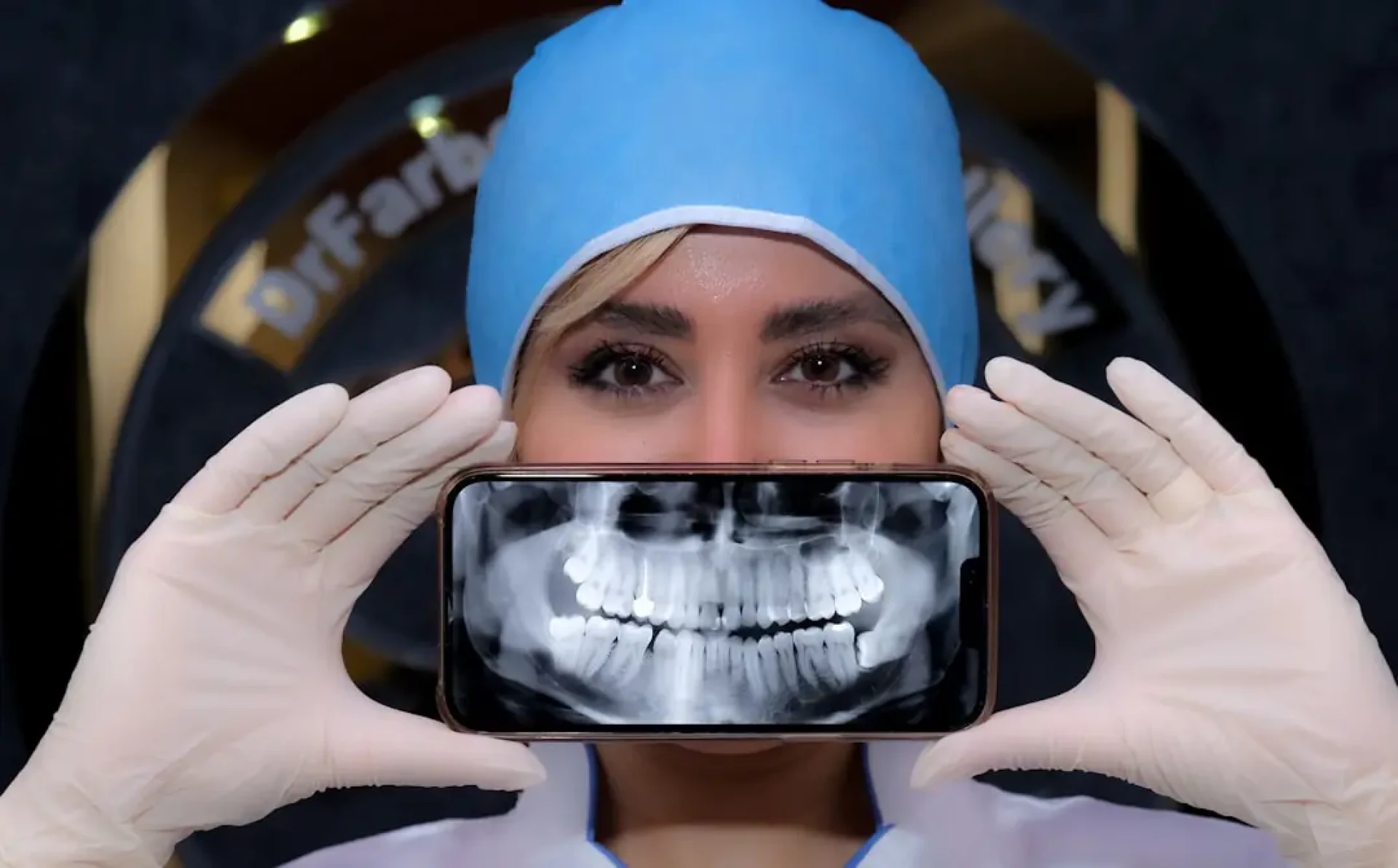

In today’s competitive healthcare landscape, having a great dental practice is no longer enough to attract a steady stream of patients. Patients now have more options than ever, and they often rely on digital channels to choose their dentist. That’s why dental marketing is essential—it’s the bridge between providing excellent dental care and reaching the people who need it most. This guide will explore effective dental marketing strategies that genuinely bring patients through your doors, both online and offline, and ensure long-term growth for your practice.
Understanding Dental Marketing
Dental marketing is more than just posting on social media or handing out flyers. It’s a comprehensive approach to building your brand, increasing visibility, and establishing trust with prospective patients. Successful dental marketing addresses both your practice’s reputation and the specific ways patients search for and engage with dental services. From search engine optimization (SEO) to email campaigns and patient referral programs, dental marketing combines creative and strategic efforts to create measurable results.
One key aspect of dental marketing is understanding your audience. Dental patients vary widely in age, concerns, and needs. Some may be looking for cosmetic dentistry options, while others may prioritize pediatric or preventive care. Tailoring your marketing strategies to the specific needs and preferences of your target audience ensures that your efforts resonate and convert leads into loyal patients.
Building a Strong Online Presence
In the digital era, your online presence is often the first impression potential patients have of your practice. A well-optimized website, engaging content, and a robust social media profile can significantly impact how your practice is perceived.
Optimizing Your Website
Your website should be professional, user-friendly, and mobile-responsive. Patients expect to find important information quickly, such as office hours, contact information, services offered, and insurance options. Including a blog with educational content about dental procedures, oral health tips, and preventive care can boost your SEO and position your practice as an authority in dentistry.
In addition to aesthetics, functionality matters. Make sure your website loads quickly, is easy to navigate, and has clear calls-to-action (CTAs) for appointment booking. An online booking system integrated with your website can streamline scheduling and reduce friction for patients.
Leveraging Search Engine Optimization (SEO)
SEO ensures that your dental practice appears in search engine results when potential patients look for dental services. Local SEO is particularly crucial for dentists, as most patients search for nearby options. Optimize your Google Business Profile, include accurate contact information, encourage positive reviews, and use location-specific keywords like “dentist near me” or “cosmetic dentist in [city].”
Creating high-quality, informative content for your website, such as blog articles or FAQ pages, not only helps patients understand dental procedures but also improves your search engine rankings. Consistent SEO efforts increase your visibility and help your practice stay top-of-mind when patients need dental care.
Utilizing Social Media Marketing
Social media platforms like Facebook, Instagram, and TikTok are powerful tools for connecting with patients, especially younger demographics. Sharing content such as patient testimonials, behind-the-scenes office tours, educational posts, and oral health tips helps build trust and engagement.
Paid social media advertising can also target specific audiences based on location, age, interests, or even behavior. For instance, promoting teeth whitening services to young professionals in your city can attract a new wave of patients. The key is to maintain consistent posting and interact with followers to foster relationships.
Content Marketing for Dentists
Content marketing goes hand-in-hand with digital presence. It’s not just about creating blog posts—it’s about providing value to your patients while demonstrating your expertise.
Blogging and Educational Content
Writing informative articles about dental topics, such as “How to Prevent Cavities” or “The Benefits of Invisalign,” can attract patients searching for answers online. Blog posts should be engaging, easy to understand, and include visuals or videos when possible. Educational content positions your practice as a trusted source of dental knowledge.
Video Marketing
Videos are increasingly popular and effective for Dental Marketing. You can create short educational videos explaining common procedures, share patient success stories (with consent), or give virtual office tours. Video content can be shared on your website, social media, and YouTube, expanding your reach and increasing engagement.
Email Marketing
Email campaigns allow you to nurture relationships with existing and potential patients. Sending newsletters with dental tips, reminders for regular checkups, special promotions, or new services helps keep your practice at the forefront of patients’ minds. Personalized emails based on patient preferences and past visits can further enhance engagement.
Paid Advertising for Immediate Results
While organic strategies build long-term visibility, paid advertising can produce faster results. Platforms like Google Ads, Facebook Ads, and Instagram Ads allow precise targeting to reach people actively searching for dental services.
Google Ads
Google Ads lets your practice appear at the top of search results for specific keywords. Using location-based targeting and ad extensions like phone numbers, directions, and reviews can drive clicks and calls. Well-crafted ad copy and optimized landing pages are essential to maximize ROI.
Social Media Ads
Social media ads help reach specific demographics and encourage actions like booking an appointment or signing up for a consultation. Engaging visuals, clear messaging, and attractive offers can increase click-through rates. Retargeting campaigns are particularly effective, reminding potential patients who previously visited your website or social media pages to return.
Reputation Management and Online Reviews
Patients often rely on online reviews when choosing a dentist. Positive reviews build trust, while negative reviews, if handled correctly, can demonstrate your commitment to patient satisfaction.
Encourage happy patients to leave reviews on Google, Yelp, Healthgrades, or Facebook. Make it easy for them by providing links and clear instructions. Respond promptly to all reviews, thanking patients for positive feedback and addressing any concerns professionally. A strong online reputation can significantly influence prospective patients’ decisions.
Referral Programs and Community Engagement
Word-of-mouth marketing remains one of the most effective strategies for dental practices. Referral programs incentivize existing patients to refer friends and family. Offering discounts, free services, or small gifts for successful referrals encourages loyalty and expands your patient base.
Participating in community events, health fairs, or local sponsorships can also increase visibility. Hosting free dental checkup camps or educational seminars demonstrates your practice’s dedication to oral health and builds trust within the community.
Tracking and Measuring Marketing Success
No marketing strategy is complete without monitoring results. Use tools like Google Analytics, social media insights, and patient feedback surveys to track performance. Measuring metrics such as website traffic, appointment bookings, ad conversions, and social media engagement allows you to adjust strategies for better results. Continuous evaluation ensures your marketing efforts remain effective and cost-efficient.
Emphasizing Patient Experience
Marketing doesn’t stop at attracting patients—it extends to retaining them. A positive patient experience encourages repeat visits and referrals. Ensure your staff is friendly, responsive, and professional. Streamline appointment scheduling, reduce wait times, and create a welcoming environment in your office. Exceptional service turns first-time visitors into loyal patients and advocates for your practice.
Trends in Modern Dental Marketing
Dental marketing is constantly evolving. Staying up-to-date with trends ensures your practice remains competitive. Some emerging trends include:
- Tele-dentistry: Offering virtual consultations for convenience and broader reach.
- Personalized marketing: Using data to tailor messages to individual patients’ preferences.
- AI chatbots: Automating appointment scheduling, answering FAQs, and enhancing customer service.
- Interactive content: Quizzes, polls, and virtual smile simulations to engage patients.
Adopting innovative tools and strategies keeps your marketing fresh and relevant.
Frequently Asked Questions (FAQ)
What is the most effective marketing strategy for dental practices?
There isn’t a one-size-fits-all answer, but a combination of online and offline strategies tends to work best. Optimizing your website, maintaining an active social media presence, leveraging SEO, and encouraging patient referrals often yield the most consistent results. Paid advertising can complement these strategies for faster growth.
How long does it take to see results from dental marketing?
Results vary depending on the strategy. Paid advertising can generate leads almost immediately, while organic methods like SEO and content marketing may take several months to show significant results. Consistency and quality in your marketing efforts are key to long-term success.
How can I get more patient referrals for my dental practice?
Creating a structured referral program with incentives, such as discounts or complimentary services, encourages existing patients to refer friends and family. Additionally, providing excellent patient experiences, engaging in community activities, and maintaining a strong online reputation naturally boost referrals.
In conclusion, dental marketing is a multi-faceted approach that combines digital strategies, community engagement, patient experience, and reputation management. By building a strong online presence, creating valuable content, leveraging paid advertising, and nurturing patient relationships, your practice can attract more patients and achieve sustainable growth. Staying informed about trends, measuring results, and continuously improving your strategies will ensure your dental practice thrives in an increasingly competitive market.
Implement these strategies with consistency and care, and watch as your practice grows, one satisfied patient at a time.


























Sign in to leave a comment.