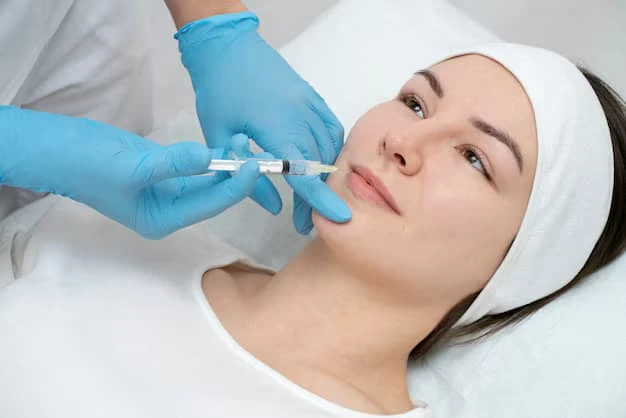

As we age, the loss of volume in our face, the deepening of wrinkles, and the thinning of skin can significantly alter our appearance. Dermal fillers have become a popular solution to address these concerns, offering a non-invasive way to restore youthful volume and smooth out facial wrinkles. If you’re considering dermal fillers Burton on Trent, this article will provide you with an in-depth understanding of what dermal fillers are, how they work, and what you can expect from the procedure. By the end, you’ll have a better idea of how dermal fillers can help you achieve a refreshed and rejuvenated appearance.
What Are Dermal Fillers?
Dermal fillers are injectable substances used to restore volume, smooth wrinkles, and enhance facial features. They are made from various materials, with the most common being hyaluronic acid, calcium hydroxylapatite, and poly-L-lactic acid. The goal of dermal fillers is to provide a non-surgical solution to facial aging, filling in areas that have lost volume or that have developed wrinkles due to the natural aging process.
Types of Dermal Fillers
There are several types of dermal fillers, each designed for different purposes. The most commonly used fillers include:
- Hyaluronic Acid Fillers: Hyaluronic acid is a substance that naturally occurs in the body and helps keep the skin hydrated and plump. Fillers like Juvederm and Restylane are based on hyaluronic acid and are used to treat wrinkles, fine lines, and volume loss.
- Calcium Hydroxylapatite Fillers: These fillers are made of a substance that is naturally found in bones. They provide more structural support and are often used for deeper wrinkles or to enhance facial contours, such as the cheeks or jawline.
- Poly-L-Lactic Acid Fillers: These fillers stimulate collagen production over time, providing gradual volume restoration and helping to improve skin texture and tone.
Each type of dermal filler has its specific uses and advantages, depending on the area of the face being treated and the desired results.
How Do Dermal Fillers Work?
Dermal fillers are injected into the skin at specific sites to restore volume, smooth out wrinkles, and enhance facial features. The injectable substance is typically placed in the deeper layers of the skin where volume loss occurs. Here’s how dermal fillers work:
1. Restoring Volume to the Face
As we age, the natural fat pads in the face begin to shrink, causing the skin to sag and wrinkle. Dermal fillers are used to replenish this lost volume, particularly in areas like the cheeks, under-eye hollows, and temples. This helps to create a fuller, more youthful appearance.
- Cheek Augmentation: One of the most popular uses for dermal fillers is to restore volume to the cheeks. This can help lift the face and create a more youthful contour.
- Jawline Definition: Dermal fillers can also be used to define the jawline, giving it a sharper, more sculpted appearance.
2. Smoothing Wrinkles and Fine Lines
Dermal fillers are commonly used to treat fine lines and wrinkles, such as those around the mouth, nose, and eyes. By injecting filler into the wrinkles, the skin is plumped up, and the lines become less visible.
- Nasolabial Folds: These are the lines that run from the sides of the nose to the corners of the mouth. Dermal fillers can smooth these lines, creating a more youthful smile.
- Marionette Lines: These lines run from the corners of the mouth down to the chin and can be softened with dermal fillers for a more refreshed appearance.
3. Enhancing Facial Features
In addition to treating wrinkles and volume loss, dermal fillers can also be used for non-surgical enhancement of facial features. For example, fillers can be used to enhance the lips, chin, and nose without the need for invasive surgery.
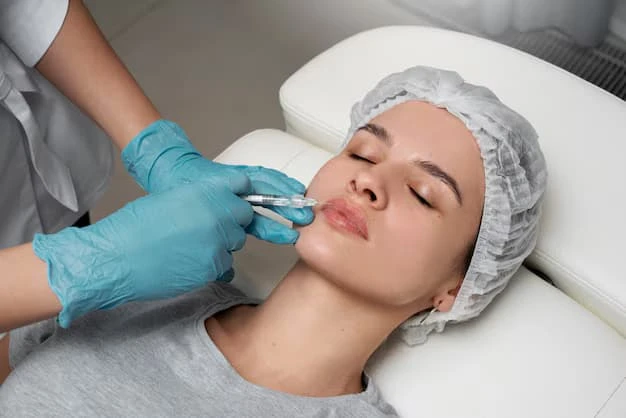
- Lip Augmentation: Dermal fillers are commonly used to add volume to the lips, creating fuller, more defined lips without the need for surgery.
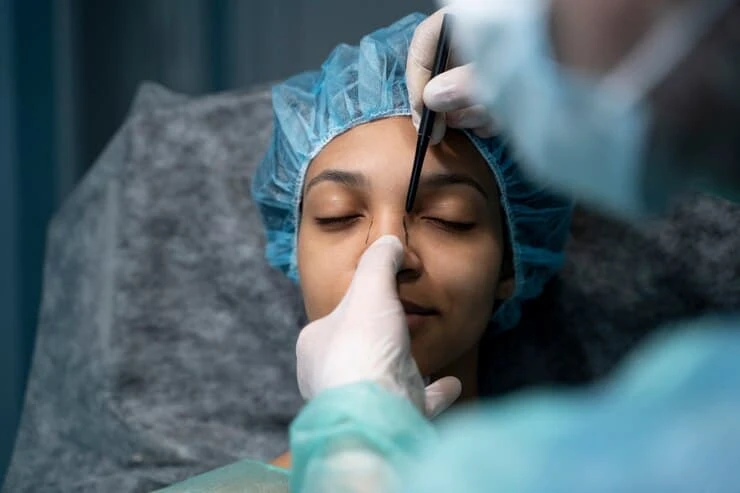
- Nose Reshaping: In some cases, dermal fillers can be used to smooth out bumps or asymmetries in the nose, providing a non-surgical nose job.
4. Stimulating Collagen Production
Certain types of dermal fillers, such as poly-L-lactic acid, work by stimulating the body’s natural collagen production. Collagen is an essential protein that helps keep the skin firm, plump, and youthful. By stimulating collagen production, these fillers provide longer-lasting results as the skin gradually becomes firmer and more youthful over time.
- Gradual Improvement: Fillers that stimulate collagen production provide a gradual improvement in skin texture and tone, with results continuing to improve over several months.
What to Expect During a Dermal Filler Treatment in Burton on Trent
If you’re considering dermal fillers in Burton on Trent, it’s important to understand what to expect during the procedure and how to prepare for it. Below is an overview of the typical steps involved in a dermal filler treatment.
1. Consultation with a Skilled Practitioner
Before undergoing dermal filler treatment, you’ll have a consultation with a qualified practitioner. During this consultation, the practitioner will assess your facial anatomy, listen to your aesthetic goals, and discuss which type of dermal filler is best for your needs. The practitioner will also go over the treatment process, potential side effects, and expected results.
- Personalized Treatment Plan: The practitioner will tailor the treatment to your individual needs, recommending the areas to treat and the type of filler to use.
- Medical History: The practitioner will review your medical history to ensure that you are a suitable candidate for the procedure. If you have any allergies or underlying conditions, the practitioner will discuss how this may affect the treatment.
2. The Injection Process
The dermal filler injection process is relatively quick and straightforward. The practitioner will clean the treatment area and may apply a topical numbing cream to minimize discomfort. In some cases, dermal fillers may contain a local anesthetic to further reduce any pain during the injections.
- Quick Procedure: The treatment typically takes 15 to 30 minutes, depending on the areas being treated.
- Precision and Care: The practitioner will use fine needles to inject the dermal filler into the targeted areas, ensuring that the filler is evenly distributed for a natural result.
3. Post-Treatment Care and Recovery
After the procedure, you may experience some swelling, redness, or bruising at the injection sites. These side effects are temporary and usually resolve within a few days.
- Aftercare Instructions: The practitioner will provide instructions on how to care for your skin post-treatment. This may include avoiding strenuous activities for 24 to 48 hours and refraining from massaging the treated areas.
- Results: The results of dermal fillers are typically visible immediately, though there may be some swelling that will subside within a few hours or days. The full effects will become more apparent as the filler settles into place.
How Long Do Dermal Fillers Last?
The longevity of dermal fillers depends on several factors, including the type of filler used, the area treated, and the individual’s metabolism. On average, dermal fillers last between 6 to 18 months. Some types of fillers, like hyaluronic acid-based ones, tend to last 6 to 12 months, while others, such as calcium hydroxylapatite, can last up to 18 months.
- Maintenance Treatments: To maintain the results, you may need follow-up treatments. The frequency of treatments depends on how long the filler lasts and how quickly your body metabolizes the product.
- Gradual Fading: As the filler breaks down over time, the results will gradually fade, and the treated areas may return to their previous appearance.
Benefits of Dermal Fillers
Dermal fillers offer numerous benefits, making them one of the most popular non-surgical treatments available today. Below are some of the key benefits:
1. Non-Surgical Solution
Dermal fillers provide a non-invasive solution to wrinkles, volume loss, and facial enhancement, eliminating the need for surgery and the risks associated with invasive procedures.
- Minimal Downtime: With minimal downtime and no need for general anesthesia, dermal fillers offer a quick, convenient way to enhance your appearance.
2. Natural-Looking Results
When administered by a skilled practitioner, dermal fillers provide natural, subtle results that enhance your features without making them look overdone or unnatural.
- Customizable: The treatment can be tailored to your specific needs, ensuring that the results align with your aesthetic goals.
3. Quick and Convenient Treatment
The treatment is quick, typically taking only 15 to 30 minutes. Most people can return to their normal activities immediately after the procedure, making dermal fillers ideal for those with busy schedules.
4. Long-Lasting Results
Depending on the type of filler used and the area treated, the results can last anywhere from 6 months to over a year, providing long-lasting improvements without the need for frequent treatments.
Conclusion
Dermal fillers in Burton on Trent offer a safe, effective, and non-invasive solution for restoring volume, reducing wrinkles, and enhancing facial features. Whether you are looking to smooth out lines, restore lost volume in the cheeks, or enhance your lips, dermal fillers provide a natural-looking way to rejuvenate your appearance with minimal downtime. Understanding how dermal fillers work, the benefits they offer, and what to expect during the procedure can help you make an informed decision about whether this treatment is right for you.




























Sign in to leave a comment.